Art Therapy in the Children’s Cancer Centre (CARES)

The Royal Children’s Hospital (RCH) Children’s Cancer Centre (CCC) will be able to continue its long-The Royal Children’s Hospital (RCH) Children’s Cancer Centre (CCC) will be able to continue its long-standing art therapy program for children and young people undergoing cancer treatment thanks to the generosity of the Good Friday Appeal. Embedded within the broader CARES (4 Kids): Cancer Allied Health Resources, Education and Supportive Care program, art therapy has been instrumental in supporting cancer patients’ mental health and overall wellbeing during what can be a long and challenging journey.

Art therapy provides children with the space, time, and tools to process their experiences in a way that feels safe and manageable. Using a range of materials – from painting, drawing, clay to slime and other tactile mediums – children are supported to express emotions that they may not have the words for.

“For younger children, it’s often difficult to put what they feel into words. Art therapy offers them that space. Even older adolescents really engage in using different materials and textures to explore what’s happening to them,” Cinzia explained.

A key part of the therapeutic process is also choice and control, something that can be limited for children in a hospital setting.

“It’s really up to the child to decide what they’d like to do in that session and how they’d like to engage. There’s a lot happening to them that’s beyond their control, so having a sense of agency is really important,” Cinzia highlighted.

The program will also continue to support both inpatients and outpatients across the CCC, including children undergoing bone marrow transplants who may be isolated for long periods, as well as those receiving treatment primarily as outpatients.

“We want to make sure there’s equity in the service provided. Some patients, like those with brain tumours, have most of their treatment as outpatients, so it’s really important that art therapy is available to them as well,” Cinzia shared.

The impact of art therapy is profound and even extends beyond the individual child, supporting families through a trauma-informed, family-centred approach. In some cases, parents and siblings are involved, and in palliative settings, it can be extremely important for memory making.

“It’s really about providing the best care for young people and their families, ensuring we’re looking after the whole person and the whole child,” Cinzia further emphasised.

The continuation of the art therapy program is made possible through the support of the Good Friday Appeal, which are helping fund the specialist roles required to deliver this essential psychosocial care.

“We don’t think we can provide medical care without the psychosocial care aligned with it,” Cinzia said.

“Art therapy is incredibly valued by parents and young people, and having the funding for these positions is critical. We are thankful for the Good Friday Appeal for allowing this program to continue,” she concluded.
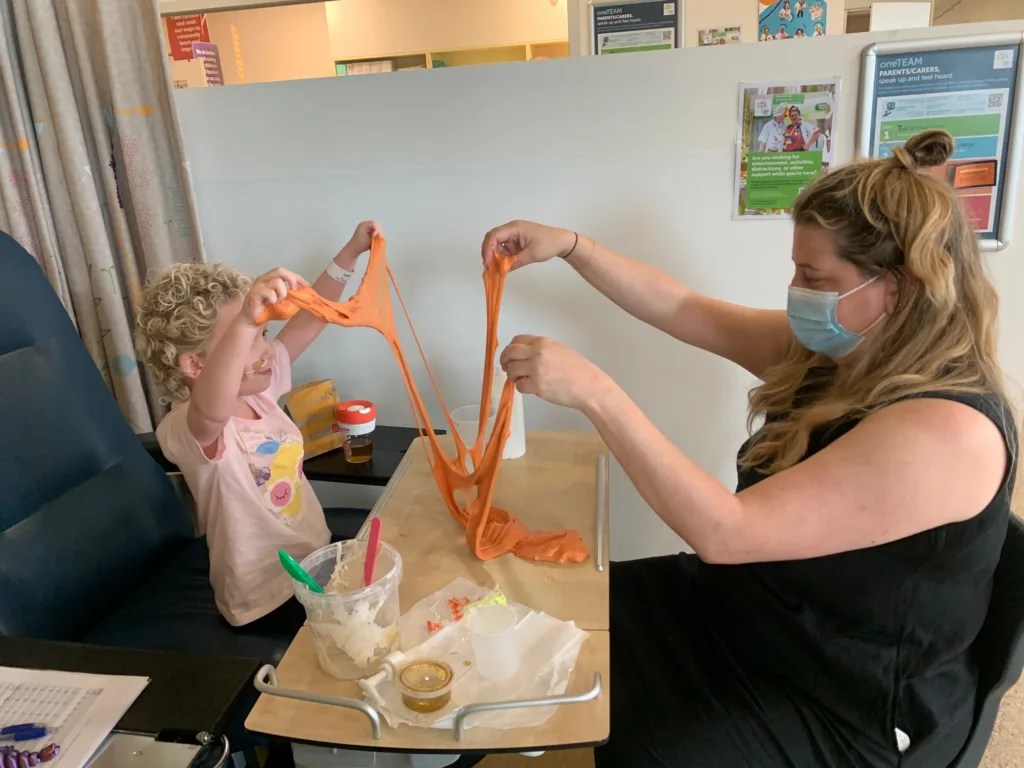
Oncology patient, Chloe and her mum, engaging in Art Therapy

“Programs such as Art Therapy play a vital role in the CCC by providing children and families with a meaningful outlet to express their emotional and psychological needs.

We are truly grateful to the Good Friday Appeal and the community that is helping them support this program. Thanks to them, we are able to support patients as they adjust to and cope with the challenges of cancer and its treatment. .”

–  Dr Marty Campbell, Acting Director, Children’s Cancer Centre & Dr Cinzia De Luca, Clinical Neuropsychologist, The Royal Children’s Hospital

Last updated February 2026

Our Newsletter

Everything Good Friday Appeal, straight to your inbox. Get more information about your impact and how to get involved.

Leadership Academy

Thanks to the Good Friday Appeal, The Royal Children’s Hospital will expand its hospital-led Leadership Academy, building leadership capability at every level of the hospital. By investing in staff development, the hospital can attract exceptional talent, strengthen teams, and reinforce its position as a world leader in paediatric care.

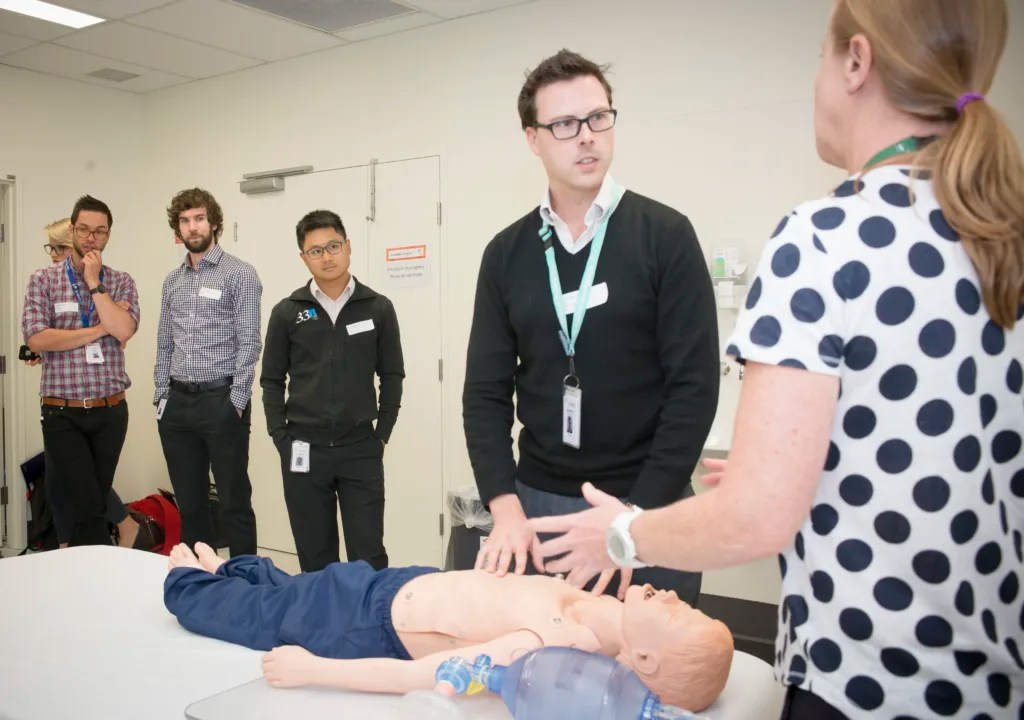
The Leadership Academy offers multi-modal programs designed to develop leadership skills tailored to the hospital’s unique environment. Participants can access workshops, coaching, mentoring, simulations and action-based learning projects. Team culture profiling and practical projects help leaders translate learning into real-world improvements, enhancing both workplace culture and patient care.

By working closely with the teams who support leaders every day, the Academy provides insight into the real challenges of managing high-performing teams. This ensures programs are not just theoretical, but directly applicable, helping leaders make positive change across the hospital.

The expansion of the Academy supports the hospital’s journey to embed a Learning Health System, using data, education and leadership to improve patient outcomes, retain exceptional talent and accelerate medical advancements. By empowering staff to perform at their best, the hospital can strengthen its workforce, encourage continuous learning and deliver the highest quality care to children and young people.

Through the Leadership Academy, the RCH is setting a new benchmark for leadership development, not only across its own teams but across the wider health system. This investment will be transformational, helping staff thrive, driving innovation in care, and ensuring that children and families receive world-class treatment today and in the future.

Leadership Simulation Centre.

Last updated February 2026

Our Newsletter

Everything Good Friday Appeal, straight to your inbox. Get more information about your impact and how to get involved.

RETCAM

Thanks to the support of the Good Friday Appeal, ophthalmologists at The Royal Children’s Hospital will soon have access to two additional digital retinal cameras – specialised RETCAMs – to detect serious eye conditions in newborns, infants and children.

These cameras are vital in the early detection of Retinopathy of Prematurity (ROP), a condition that can affect premature babies when the blood vessels on the surface of the retina do not develop properly. Without early diagnosis and treatment, ROP can cause permanent vision loss or blindness. With timely screening and imaging using RETCAMs, this condition is often entirely preventable.

The Royal Children’s Hospital relies on RETCAM technology to provide detailed digital images of the retina, helping ophthalmologists assess eye health quickly and accurately. In 2023, support from the Good Friday Appeal allowed the hospital to upgrade its first camera, improving care for vulnerable newborns.

Demand for this life-saving technology has grown rapidly. With only one camera previously available, multiple clinical teams often needed to share the equipment, which could create delays in time-critical assessments. The addition of two more RETCAMs will ensure that no child’s care is postponed because the camera is in use.

The new cameras will support the Newborn Intensive Care Unit, where the smallest and most vulnerable babies are at highest risk of developing ROP, and will strengthen services across the hospital, including the Emergency Department, ocular oncology, surgical care, forensic medicine and outpatient clinics. By integrating retinal imaging into routine assessments, clinicians can monitor eye health more efficiently and intervene as soon as damage is detected, often preventing irreversible vision loss.

With strategically located cameras available for rapid deployment, the RCH can provide faster, more reliable and resilient care. This investment safeguards the sight of some of Victoria’s most vulnerable children, giving premature babies the opportunity to grow, learn and experience the world with healthy vision.

Thanks to the Good Friday Appeal, every child at risk of ROP will now have a better chance of receiving urgent, sight-saving care exactly when it is needed most.

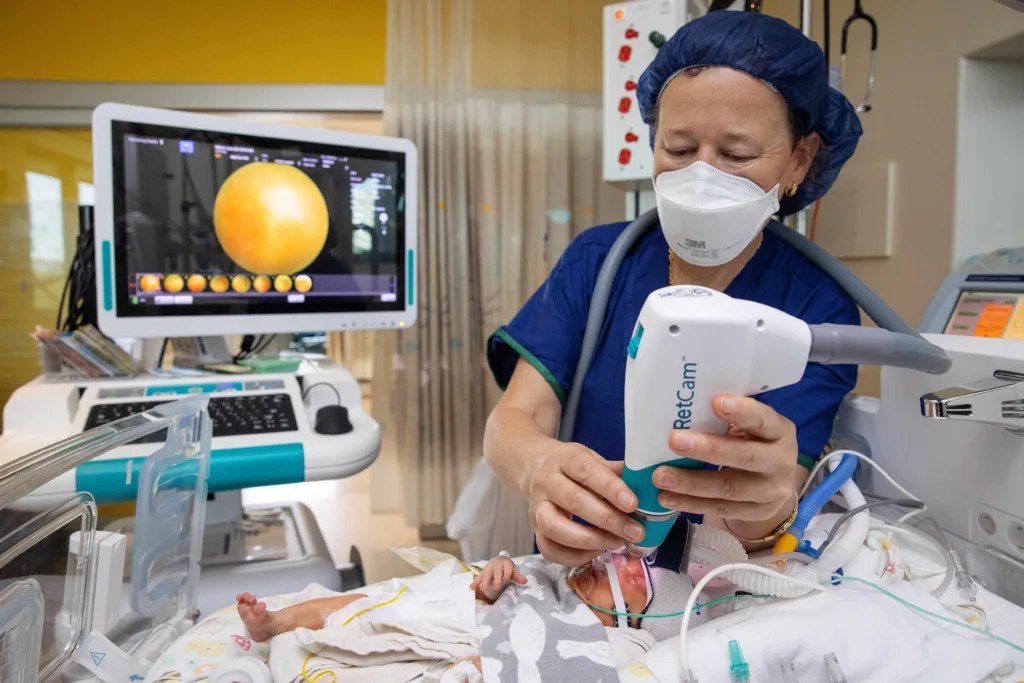
Royal Childrens Hospital Good Friday Appeal 2023: Dr Susan Carden uses a RETCAM provided by GFA funding on patient Luka. Picture: Mark Stewart

Last updated February 2026

Our Newsletter

Everything Good Friday Appeal, straight to your inbox. Get more information about your impact and how to get involved.

Virtual Care 

Thanks to the generosity of the Good Friday Appeal, the hospital is expanding its virtual care offering so more children and families can access expert treatment sooner and closer to home.

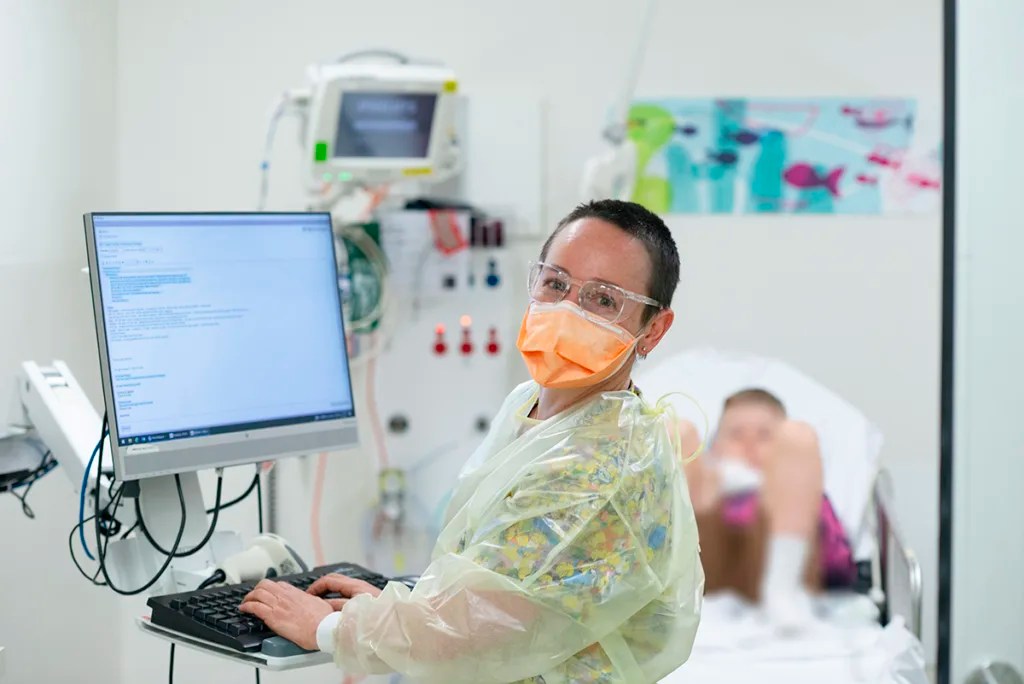
Over recent years, Victorian health services have transformed how care is delivered by embedding digital health technologies. Virtual care enables patients to receive efficient, high-quality care while reducing travel, wait times and disruptions to daily life. As demand for specialist services grows and care becomes increasingly complex, strengthening digital health capability is essential to ensuring timely access for families across the state.

This investment will accelerate the hospital’s virtual care transformation, helping more patients benefit from remote consultations, digital tools and online support. Virtual specialist care enables rapid assessment, treatment and follow-up, allowing children to receive expert paediatric care in their communities without distance becoming a barrier.

Over the next 18 months, the hospital will work toward doubling virtual specialist appointments. This expansion will help families access care faster and more conveniently, while supporting continuity of treatment and follow-up.

The initiative also includes optimising the My RCH Portal, a patient website and mobile app that places families at the centre of care. Through the portal, parents and guardians can access medical records, manage appointments, view test results, request prescriptions and communicate with care teams. Enhancing these digital tools will allow families to connect with their healthcare providers and manage care more easily.

Strengthening virtual care also supports collaboration with regional and remote health services, enabling expert consultation, education and workforce development across the state. The hospital will continue to scope and design new virtual care models in partnership with patients, families and industry, ensuring future services are safe, effective and responsive to real-world needs.

Beyond immediate improvements, this initiative represents a long-term investment in sustainable, scalable healthcare. By guiding families before, during and after each episode of care, virtual services will help ensure children receive the right care, in the right place, at the right time – improving access while maintaining strong clinical governance and continuity of care.

Last updated February 2026

Our Newsletter

Everything Good Friday Appeal, straight to your inbox. Get more information about your impact and how to get involved.

Oncology Navigation

Thanks to the generous support of the Good Friday Appeal, families receiving care through the Children’s Cancer Centre at The Royal Children’s Hospital will soon experience a more seamless and truly patient-centred cancer care journey.

Each year, the Children’s Cancer Centre provides statewide care to approximately 300 newly diagnosed and relapsed paediatric cancer patients. For families, understanding a diagnosis and navigating treatment pathways can feel overwhelming. A child’s cancer journey often spans inpatient care, outpatient visits, surgery and complex medical procedures, with multiple specialist teams involved. Each stage requires coordination, which can create added pressure at an already stressful time.

This complexity can lead to delays or disruptions in care. With the support of the Good Friday Appeal, the hospital will address these challenges by establishing an integrated point of coordination designed to guide families through every stage of treatment.

This initiative will create one clear point of support, helping families better understand their child’s care pathway from diagnosis through treatment and follow-up. By strengthening navigation, scheduling and coordination across oncology services, children will be able to access timely and well-organised care with greater clarity and reassurance.

Drawing on clinical and operational expertise across departments, the program will support smoother transitions between inpatient and ambulatory care, as well as pre-admission planning and follow-up coordination. With proactive support at each step, families can focus on their child’s treatment and recovery rather than the logistics of managing care.

By creating a coordinated and predictable pathway, this initiative will deliver a more family-focused experience and reduce stress during an incredibly challenging time. It represents a meaningful step toward transforming how paediatric cancer care is delivered – ensuring children and families receive compassionate, connected support throughout their journey.

Last updated February 2026

Our Newsletter

Everything Good Friday Appeal, straight to your inbox. Get more information about your impact and how to get involved.

Hospital Wide Art Therapy Program

Thanks to the Good Friday Appeal, The Royal Children’s Hospital will significantly expand its hospital-wide art therapy program, allowing more children and families to access this essential emotional and therapeutic support during their hospital journey.

Art therapy provides children and young people facing illness with a safe and supportive way to express and process their emotions through creativity and artmaking. For many patients, putting feelings into words can be difficult. Art therapy offers an alternative pathway for communication, helping children explore their experiences, reduce anxiety, and cope with the emotional challenges of illness and hospitalisation.

This specialised therapy plays a vital role in paediatric healthcare settings. Evidence shows art therapy can reduce anxiety, depression, pain and distress, while improving mood and overall quality of life. By supporting emotional wellbeing alongside medical care, art therapy helps children feel more in control, comforted and engaged throughout treatment.

At the hospital, art therapy is currently offered in select areas, supporting children facing serious illnesses, including cancer. However, the need for this service extends far beyond these settings. Many children and young people – including those with a wide range of illnesses, disabilities, experiences of trauma, and life-limiting conditions – could benefit from access to therapeutic creative support.

Through the Good Friday Appeal’s investment, the art therapy program will nearly double in size, employing additional art therapists who will work across the hospital to ensure more equitable access to care. This expansion has the potential to support around 3,000 children and young people each year, allowing more families to receive meaningful emotional support alongside medical treatment.

By embedding art therapy more broadly across the hospital, patients will gain greater access to coping strategies, emotional relief and opportunities for self-expression during challenging times. This expansion strengthens the hospital’s commitment to caring for the whole child – recognising that healing involves emotional wellbeing as well as physical recovery.

Through creativity, connection and compassionate care, the expanded art therapy program helps children build resilience, maintain wellbeing and find moments of comfort during their hospital experience.

Last updated February 2026

Our Newsletter

Everything Good Friday Appeal, straight to your inbox. Get more information about your impact and how to get involved.

Paediatric Oncology Grant for Research Excellence and Trials Support

Thanks to the Good Friday Appeal, the Children’s Cancer Centre at The Royal Children’s Hospital is reinforcing its position as a national and international leader in paediatric cancer research — enabling more children to access innovative, cutting-edge treatment options.

This support powers the Paediatric Oncology Grant for Research Excellence and Trials Support (PROGRESS) platform, which accelerates clinical research that directly improves outcomes for children diagnosed with cancer. By sustaining and expanding investment in research, the Centre can continue delivering discoveries that translate into real-world care for young patients and their families.

The PROGRESS platform brings together leading expertise from across the Melbourne Children’s Campus, including Murdoch Children’s Research Institute and The University of Melbourne, alongside the hospital. This coordinated and integrated approach enables faster, more connected and higher-impact research – supporting innovative models of care while accelerating access to groundbreaking treatment options.

This collaboration has already significantly expanded the clinical trials portfolio. It has enabled the development of Australia’s first paediatric teletrials model, allowing children to participate in research and receive elements of their care closer to home. Hospital-led trials –  including those led by psycho-oncology teams – are also broadening access to supportive care interventions and emerging therapies.

As a result, nearly every newly diagnosed child treated at the Children’s Cancer Centre now benefits from clinical research. Participation in clinical trials can provide earlier access to cutting-edge medications and supportive care approaches that may otherwise be unavailable, helping families feel confident they are receiving the most advanced care possible.

Continued investment from the Good Friday Appeal will build on this momentum by expanding trial access, accelerating discoveries and strengthening collaborative research. This vital support helps improve patient outcomes, ensures critical care innovations reach children sooner, and gives more young patients the best possible chance for a healthier future.

By advancing research and expanding access to innovative treatments, this program supports children facing cancer not only to survive their illness, but to ultimately thrive.

Last updated February 2026

Our Newsletter

Everything Good Friday Appeal, straight to your inbox. Get more information about your impact and how to get involved.

The Family Hub Indoor Play Space

For the thousands of families who rely on the services of The Royal Children’s Hospital (RCH) each year, the Family Hub offers something simple but powerful: a break from the clinical world around them. Soon, this sanctuary will strengthen its impact, as the hospital prepares to establish its first and only indoor play space within the Family Hub – thanks to the generosity of the Good Friday Appeal.

Often described as a ‘home away from home’, the RCH’s Family Hub is a non-clinical space designed to give families respite from hospital rooms, appointments, and long days of treatment. With a quiet lounge, kitchen facilities, and a business centre, it allows patients and their families a chance to pause, regroup, and feel a sense of normalcy during what can be an overwhelming time.

Each year, around 24,000 parents, carers, siblings, and patients pass through the Family Hub. With children making up nearly a third of all visitors, the need for a dedicated play space for younger children became increasingly clear.

“What we were finding over the past few years is that families were increasingly wanting more space for their children to be able to safely play. Up until now there’s been no other internal play space available to children under the age of five,” shared Kiley Kavanagh, the hospital’s Family Services Manager.

This play space will accommodate children of all abilities, ensuring those with a range of illnesses can safely engage in play. This inclusive approach can help transform the hospital experience for all children, to better support their recovery and well-being during hospital stays.

“Kids need to play and exert their energy, and it’s important that they actually have something tangible to do. The importance of play in the healing process cannot be overstated,” Kiley highlighted.

This area will also encourage family bonding, allowing patients to enjoy the space alongside their siblings. In doing so, the area will help ensure the whole family can stay connected while a child receives care.

“Kids can climb, explore or play solo. This thoughtfully designed play space can also give mums, dads or carers a bit of a break – keeping children entertained and occupied,” Kiley shared.

The play space will help transform the hospital experience for children at the RCH in countless ways. It can support cognitive development, provide a positive distraction from pain and discomfort, reduce anxiety, and give children a greater sense of control over their environment – empowering them throughout their hospital stay.

Kiley and the entire team at the RCH are incredibly grateful for the generosity and ongoing support of the community in helping bring this play space to life, helping make a truly life-changing impact.

“Thank you to the Good Friday Appeal for helping the RCH invest in an indoor play space. This designated area has the power to not just improve the emotional wellbeing of a child, but the entire family,” Kiley said.

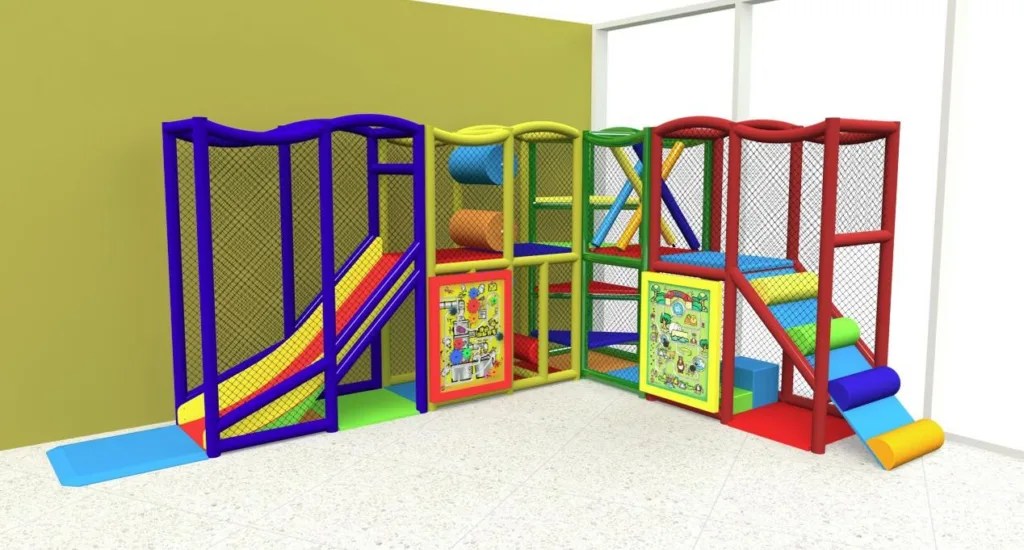
Playspace Concept Drawing

“The importance of play in the healing process cannot be overstated. From reducing anxiety to encouraging family connection, the benefits that come with play, and a play space are endless. Thank you to the Good Friday Appeal for helping the RCH invest in an indoor play space. This designated area has the power to not just improve the emotional wellbeing of a child, but the entire family.”

– Kiley Kavanagh, Family Services Manager

Last updated February 2026

Our Newsletter

Everything Good Friday Appeal, straight to your inbox. Get more information about your impact and how to get involved.

MRI-Compatible Neonatal Transport Ventilators

Thanks to the support of the Good Friday Appeal, The Royal Children’s Hospital (RCH) will soon invest in MRI-compatible neonatal transport ventilators. This life-saving equipment will significantly improve care for babies in the Neonatal Intensive Care Unit, where even short movements for scans or surgery carry serious risk. This vital investment will allow vulnerable babies to be transported more safely and with greater ease.

Transporting a critically ill newborn is never simple. Even small movements can cause instability for babies whose lungs and bodies are still developing. Neonatal transport ventilators provide continuous, reliable breathing support while babies are moved to operating theatres or imaging suites, including the MRI suite, where specialised equipment is essential.

“MRI machines use powerful magnetic fields to create detailed images that help us understand a baby’s condition and plan treatment,” explained Dr Trisha Prentice, Deputy Director of the NICU at the RCH.

“That environment requires equipment that can operate safely within those magnetic fields, without compromising the baby’s safety or the quality of the imaging,” she added.

MRI-compatible neonatal transport ventilators are purpose-built for this challenge. They allow babies who are intubated or need ongoing respiratory support to be safely transported into the MRI suite, while maintaining consistent breathing support. Without this specialised technology, these critical investigations would be far more difficult.

“These brand-new ventilators give us much greater flexibility than our older machines,” Trisha shared.

“They allow us to closely match the breathing support a baby receives at their bedside, which helps minimise disruption and keeps babies comfortable during transport. By optimising the breathing support we provide, we’re not just keeping babies safe in the short term, we’re also protecting their lungs for the future,” she further emphasised.

The new devices also provide enhanced monitoring and real-time feedback, allowing clinicians to see exactly how a baby is responding and adjust support as needed. This reduces clinical risk during transport and ensures babies receive the highest standard of care throughout their journey.

For families, the benefits are deeply felt. The NICU is an incredibly stressful environment, and watching a baby be moved for scans or procedures can heighten anxiety. Knowing that their child is being supported by state-of-the-art equipment offers reassurance during some of the most difficult moments they will ever face.

“Having access to modern, reliable equipment helps families trust that their baby is receiving the best possible care,” Trisha shared.

Equipment like MRI-compatible neonatal transport ventilators has an immediate and lasting impact on patient care – and none of this would be possible without philanthropic support.

“We simply couldn’t provide the level of care we do without the support of our donors and the wider community,” Trisha highlighted.

“These ventilators are essential in supporting critically ill babies across the hospital, and they can only enhance the care we provide to our most vulnerable patients. We are incredibly grateful to the Good Friday Appeal for helping us invest in this vital technology,” she continued.

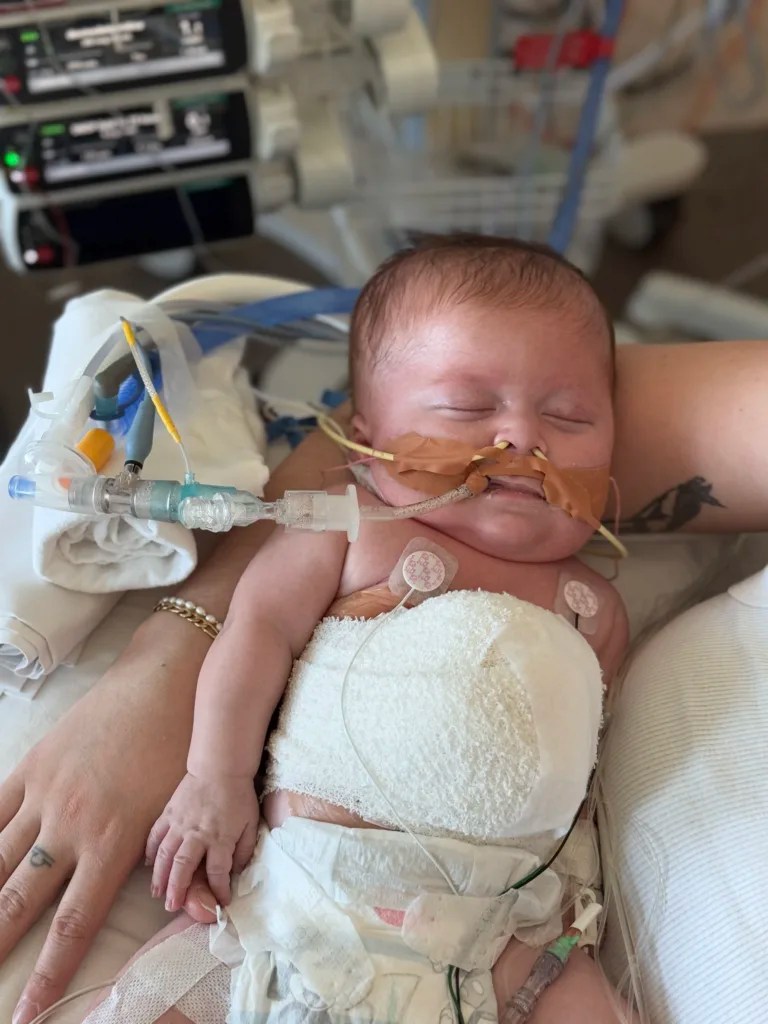
RCH patient, Luca hooked up to pre-existing ventilator

“The brand-new neonatal transport ventilator is essential in supporting critically ill babies across the hospital. It offers safe, reliable, and future-proof transport capability and can only enhance the care that the RCH provides for its most vulnerable patients. Thank you to the Good Friday Appeal and the community for helping us invest in this essential technology.”

– Dr Trisha Prentice, Acting Director of the Newborn Intensive Care Unit at The Royal Children’s Hospital

Last updated February 2026

Our Newsletter

Everything Good Friday Appeal, straight to your inbox. Get more information about your impact and how to get involved.

GEMSTone Study

The Royal Children’s Hospital (RCH) and the Murdoch Children’s Research Institute (MCRI) will be launching the Genetics Evaluation for Management and Support of low Tone (GEMStone) Study, thanks to the generosity of the Good Friday Appeal. This life-changing study will focus on infants with hypotonia, also known as low muscle tone, a symptom that can signal a wide range of underlying conditions affecting the brain, nerves, or muscles.

This novel study will have a significant impact on the lives of babies battling rare genetic conditions – specifically those with low muscle tone – through the use of genomic technology. This transformative technology can provide children battling these conditions and their families answers sooner, allowing them to access the right care and support.

“The diagnosis is challenging because many different types of underlying conditions can present with low muscle tone,” explained Professor Zornitza Stark, clinical geneticist at the Victorian Clinical Genetics Services, co-lead of the Translational Genomics Research Group at the Murdoch Children’s Research Institute, and one of the leads of the GEMSTone Study.

“By doing the dynamic testing upfront and getting to an answer earlier, we are actually sparing babies a number of other investigations and providing certainty for families with some information about outlook,” she continued.

Currently, only about half of affected babies receive a clear diagnosis. Many families are left facing uncertainty and invasive testing, such as MRIs or muscle biopsies, without any answers. By pooling expertise and patient data, the study aims to identify genetic causes much faster.

Impressively, it will aim to deliver results in as little as three weeks – dramatically reducing the current three- to four-month wait.

“By getting results back in a couple of weeks, families don’t have to wait months wondering what their child has. Even if there isn’t a treatment available, knowing the diagnosis allows families to plan, access the right services, and understand what to expect,” explained Zornitza.

Over the next two years, the RCH aims to enroll around 80 babies through the GEMStone Study, with similar numbers across its world-leading partner hospitals, including the Boston Children’s Hospital, SickKids Toronto and the Great Ormond Street Hospital. This international collaboration will allow researchers to share knowledge, improve testing techniques, and generate meaningful data faster than would be possible at a single site.

“We get to learn from each other’s experience, which is really exciting. Genomic technology is evolving fast, and collaboration helps us make progress more quickly for families,” explained Zornitza.

While only a small proportion of rare conditions currently have approved therapies, early knowledge of a child’s genetic condition is critical for timely intervention when options are available.

Initiatives like GEMStone ensure the RCH remains at the forefront of rapid genomic testing, reshaping the future of care for children with rare genetic conditions. Zornitza and the entire GEMStone team are profoundly thankful to the community whose generosity has turned this vision into reality.

“We are deeply grateful to the Good Friday Appeal for their support and look forward to the study’s outcomes as we work hard to advance this life-changing technology,” she concluded.

Professor Zornitza Stark, Clinical Geneticist at the Victorian Clinical Genetics Services; Clinical Lead, Australian Genomics; and is a Co-Lead of the Translational Genomics Research Group at the Murdoch Children’s Research Institute
Professor Zornitza Stark, Clinical Geneticist at the Victorian Clinical Genetics Services.

“The GEMStone Study is helping strengthen the hospital’s position as a global leader in genomic testing. It aims to ensure that children with rare and genetic conditions receive the treatments they need to thrive, through faster, less invasive, and more accurate diagnoses. We are deeply grateful to the Good Friday Appeal for their support and look forward to the study’s outcomes as we work hard to advance this life-changing technology.”

– Professor Zornitza Stark, Clinical Geneticist at the Victorian Clinical Genetics Services; Clinical Lead, Australian Genomics; and is a Co-Lead of the Translational Genomics Research Group at the Murdoch Children’s Research Institute

Last updated February 2026

Our Newsletter

Everything Good Friday Appeal, straight to your inbox. Get more information about your impact and how to get involved.