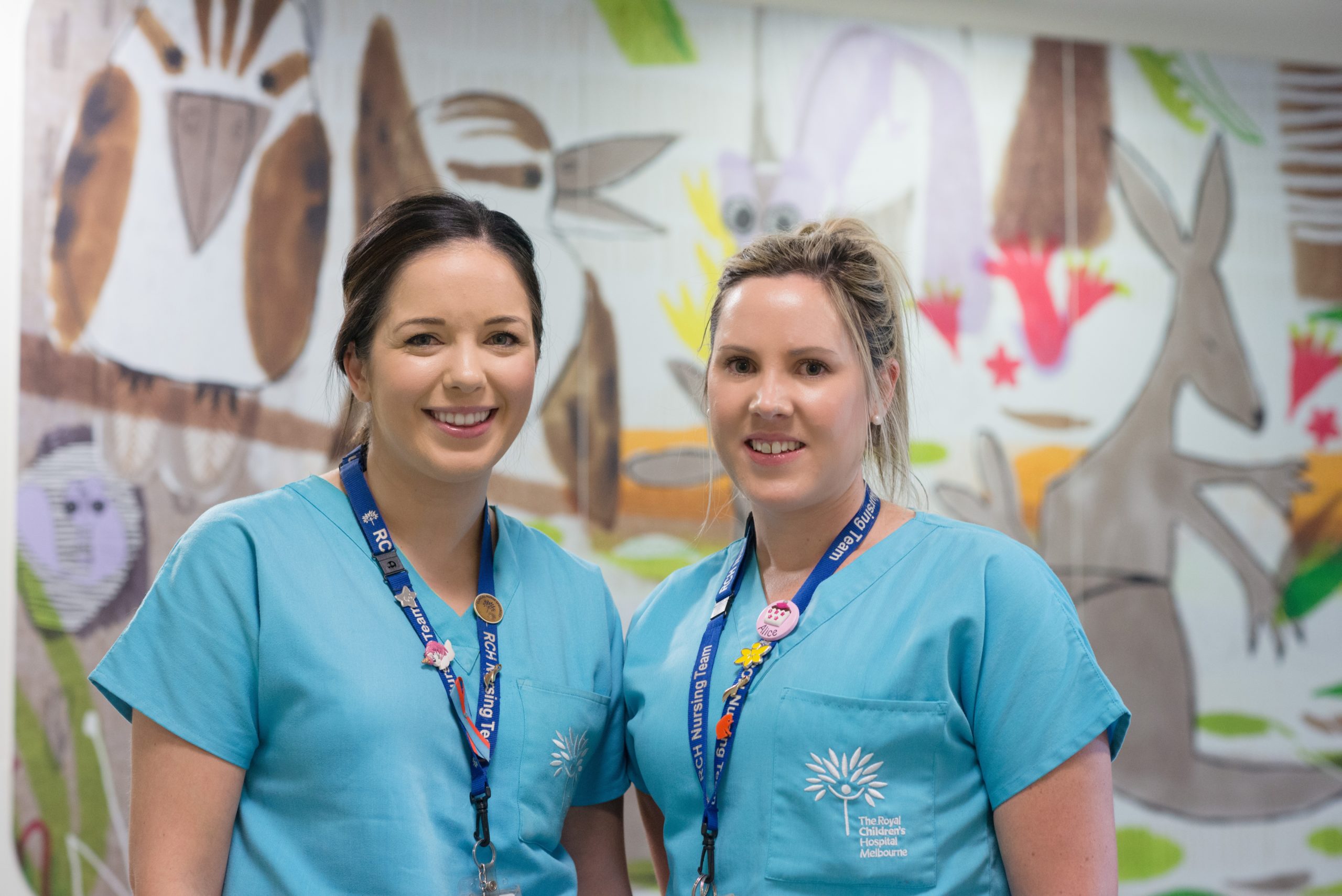
These are generously supported by ten providers, including organisations including Uncle Bobs Club and the Pied Pipers, through the Good Friday Appeal.
These scholarships allow staff to travel and undertake further education, participate in research or complete workplace experience, leading to improved care for RCH patients.
The scholarships have recently enabled staff from areas including neurology, physiotherapy, cardiology, oncology, rehabilitation, respiratory and sleep medicine to attend international conferences, symposiums and site visits, undertake fellowship programs and complete training at other world leading paediatric centres.
To date, over 50 clinicians have been awarded this opportunity. Last year, program participants attended 11 conference visits, 13 site visits and undertook one fellowship program.
2026 Program update:
Over the past year, the scholarship has continued to make a significant impact to help further the excellence and skills of staff at the RCH.
Last year, 16 staff members at the RCH were awarded this scholarship, allowing them to strengthen their knowledge and expertise in their chosen fields.
These scholarships provide staff opportunities to travel, pursue further education, participate in research, or gain workplace experience, leading to improved care for RCH patients.
Recipients bring new insights back to the RCH, supporting the hospital’s ongoing commitment to world-leading care.
Destinations staff are travelling to this year include the United Kingdom, Spain, and other locations, with visits to prestigious institutions such as Great Ormond Street Hospital, London.
Most recently awarded scholarships are allowing staff to deepen their knowledge in areas such as eating disorders, immunisation, bone and muscle cancer, music therapy, bioethics, and more.
Everything Good Friday Appeal, straight to your inbox. Get more information about your impact and how to get involved.
Uncle Bobs Neurology Fellowship
In addition to general neurology, the department provides subspecialty care for children with epilepsy, muscle disorders, strokes, genetic conditions affecting the brain, demyelinating disorders including multiple sclerosis, and movement disorders.
The Uncle Bobs Neurology Fellowship, made possible thanks to the support of Uncle Bobs Club through the Good Friday Appeal, gives junior paediatric neurologists the opportunity to work in this in-demand department. This training experience enables them to develop specific expertise in managing neurological conditions, which make up one third of all paediatric referrals to the RCH.
Uncle Bobs Club has been supporting the Good Friday Appeal since 1942. They support a number of projects and initiatives at The Royal Children’s Hospital (RCH), including the Uncle Bobs Neurology Fellowship. Each year, the fellowship gives junior paediatric neurologists the opportunity to work in the RCH’s Neurology Clinic.
The Uncle Bobs Neurology Fellowship has allowed several talented clinicians from across the world to train at the RCH, refining and enhancing their knowledge and skills.
The 2025 fellow is Dr Olivia-Paris Quinn. She has a special interest in paediatric strokes and is especially inspired by the novel research performed by the RCH in this area of medicine.
2026 Project update:
The most recently made available updates are as follows:
In 2024, the program established three new one-year, accredited training positions, offering rotations across multiple departments. This continues to strengthen the RCH’s reputation and is helping attract and develop exceptional clinical talent.
The Uncle Bob’s Clinical Neurology Fellowship is supporting two advanced trainees through a shared six-month rotation model, Dr Olivia Quinn and Dr Nadia Truong across 2025-2026.
During their rotations, Dr Truong and Dr Quinn developed core clinical competencies and gained valuable hands-on experience managing acute neurological emergencies, including after-hours care, as well as treating common chronic childhood neurological conditions through weekly outpatient clinics.
Dr Quinn has a special interest in paediatric strokes and is especially inspired by the novel research performed by the RCH team in this area of medicine.
Meanwhile, Dr Truong has a special focus on gene therapy as it applies to neurology.
This fellowship demonstrates the powerful role this program plays in building the future neurological workforce and ensuring high-quality care for the next generation of children.
Everything Good Friday Appeal, straight to your inbox. Get more information about your impact and how to get involved.
Child Life Therapy (Educational Play Therapy Procedural Support)
Thanks to support from Woolworths through the Good Friday Appeal, children and young people at The Royal Children’s Hospital (RCH) are supported by a team of dedicated Child Life Therapists through the Child Life Therapy Program.
Child Life Therapy plays a crucial role in paediatric healthcare by helping children and their families navigate the emotional and psychosocial challenges associated with illness, hospitalisation, and medical procedures.
Specially trained Child Life Therapists provide psychosocial support through evidence-based, trauma-informed, and developmentally appropriate interventions. They use therapeutic play, emotional support, and education to reduce anxiety, build coping strategies, and promote a sense of normalcy for children and their families. This specialised care enhances overall well-being, helps children express their feelings, and can even improve recovery outcomes.
“Child Life Therapy is all about supporting children and families who are facing illness, hospitalisation, and the anxiety that often follows. We provide psychosocial support through evidence-based, trauma-informed, and developmentally appropriate interventions. Our goal is to help children understand their experiences, manage stress, and express their emotions in healthy and helpful ways.”
Carlie Alicastro, Child Life Therapist and Host, RCH TV.
The Child Life Therapy team, in conjunction with the RCH TV Team, develop peer modelled preparation videos for patients so they can better understand things around the hospital. Examples include A child’s guide to nebulisers, and Let’s Learn About… lead aprons. These videos are widely viewed by the community on the hospital’s website and YouTube channel.
The Child Life Therapy team also run a dedicated Mock MRI Clinic which gives patients an opportunity to learn about what an MRI is, and to experience a simulated MRI prior to their booking. The clinic empowers children to achieve an awake MRI, without general anaesthetic, which frees up the anaesthetists for the most vulnerable patients.
The Child Life Therapy Program reduces anxiety and hospital related trauma in children, prevents the need for more complex medical interventions and leads to a more positive hospital experience overall.
Carlie provided this story about a patient:
“I want to share with you a story about a very special child I worked with earlier this year. Her name is N. N is four years old, and when I first met her, she was absolutely terrified. She was facing a procedure called lymphoscintigraphy — a type of imaging where she would need to lie still for an extended period, with the added anxiety of a needle in the webbing of her toes. Ouch right!?
When I entered N’s room, I found her curled up in bed, her face streaked with tears. She was repeating, ‘I’m scared,’ over and over. My heart broke for her. But I knew that I could be with her — I could sit beside her. I could listen to her fears. I could help.
Together, we spent the next two hours navigating her fear. I provided step-by-step guidance, gave her time to process it at her own pace, and offered comfort with the soft hum of her favorite show, Bluey, playing on an iPad. But most importantly, I was present — not just in the room, but with her in her fear, with her in her pain.
I left that day wondering: ‘could I have done more to ease her distress?’ A few days later, N surprised me. She came running up to me, excited to see me, proudly talking about how she’d won a prize from our Hospital Lingo TV show. I had no idea she would remember me with such joy after such a tough experience. And in that moment, I realised that it wasn’t about making the fear go away; it was about showing N that she wasn’t alone in it.
I was with N in her pain, with her in her fear, and it allowed her to feel safe and empowered, even in one of her toughest moments. ”
Approximately 500 Child Life Therapy sessions are provided per month across the RCH.
Impact Milestones
2021/2022
Over 1,200 outpatient procedures were supported by the Child Life Therapy Program across Burns, Plastic, Orthopaedics, Pathology and nurse led clinics.
Over 700 cardiac outpatients were supported by Child Life Therapists in specialist clinics, including pathology and medical imaging.
Cardiac patients were identified by the Child Life Therapy team as a patient cohort who often arrived for planned surgery with high anxiety and medical related trauma. Early support by the Child Life Therapy team via outpatient clinics reduced patient distress and led to improved experiences, once patients were admitted for surgery.
Child Life Therapists performed 493 Mock MRIs. Of these patients, approximately 11 per cent went on to need a general anaesthetic for their real MRI.
2022/2023
1,311 patients were supported by the Child Life Therapy Program across the Medical Imaging Department.
2023/2024
Child Life Therapists performed 666 Mock MRI’s. Of these 590 went on to try an awake MRI.
89 per cent of children who had Mock MRI went on to have an MRI.
2026 Update
Over the past year, Child Life Therapists at The Royal Children’s Hospital (RCH) helped transform countless lives and uplift capabilities in the following ways:
Child Life Therapists have offered individualised support to over 11,000 inpatients and outpatients, helping them develop coping strategies and manage their hospital experiences in a more positive way.
This dedicated support has resulted in decreased anxiety, pain perception, distress, and improved mood. This is optimising social and emotional wellbeing, while minimising the short and long-term effects that come with being at the hospital.
The world-class Child Life Therapists at the RCH have also provided education sessions to nursing, medical, and allied health staff to empower them to support children in a positive way. They have also presented at two conferences this past year, helping disseminate their knowledge across the community.
Everything Good Friday Appeal, straight to your inbox. Get more information about your impact and how to get involved.
Allied Health Research Capacity Development (Director of Allied Health Research)
The allied health workforce encompasses 27 professions across The Royal Children’s Hospital (RCH), including physiotherapy, dietetics, speech pathology and social work. The workforce includes a large cohort of staff who are passionate about undertaking world leading research that improves patient care.
The Director of Allied Health Research, a position made possible thanks to funding support from the Good Friday Appeal, focuses on building the research capacity in allied health professionals at the RCH, and driving research partnerships with The University of Melbourne, the Murdoch Children’s Research Institute, and academic and industry stakeholders.
Associate Professor Kelly Weir was appointed to this role in 2023. A certified practicing speech pathologist with extensive clinical experience, Kelly provides leadership within the allied health team. She supports allied health clinicians to undertake high-quality clinical research that identifies, implements and evaluates effective, evidence-led treatments and services for children and young people at the RCH.
Director of Allied Health Research, Kelly Weir
In her role as Director, and with the support of Emily O’Kearney in her newly commenced role of Allied Health Research Development Officer, Kelly provides leadership to support high-quality clinical research with the aim of supporting allied health clinicians to identify, implement and evaluate effective, evidence-led interventions and services for children and young people.
In the first year of the initiative, Kelly worked to understand current allied health research capacity and activities at the RCH, and to develop a program of research and education for allied health in collaboration with staff, children and families, and stakeholders.
In the program’s second year, Kelly will be focusing on a formal evaluation of allied health research culture and capacity to develop research resources, stronger networks, and mentoring or training opportunities.
By prioritising allied health research, the RCH can ensure optimal outcomes for patients and families, while also positioning itself as a leader in paediatric allied health research and education.
This investment will further bolster the RCH’s Allied Health Department, with the chance to combine research interests and clinical duties being an incredible drawcard for staff.
2026 Project Update
The program continues to build research capability across individual clinicians, teams and services, while laying strong foundations for a coordinated, long-term Allied Health research strategy, driving greater impact:
Over the past year, the program supported more than 50 active Allied Health research and quality projects, helping clinicians design, conduct, analyse and publish meaningful research.
Twelve peer-reviewed journal publications were published in 2025, led or co-authored by Allied Health Clinicians across the RCH, demonstrating growing research leadership and impact.
Our Senior Allied Health Research Development Officer role was extended from 0.4 EFT to 1.0 EFT to support the growing research culture, continuing to provide targeted education, mentoring and practical research support.
New Allied Health–specific education programs were launched, including;
“REACH for research” group mentoring to develop research questions, conduct, analyse and publish their research.
The “Research Writing Lab”, which supported allied health clinicians in all aspects of writing and submitting their research for publication in peer-reviewed scientific journals – four staff members are soon to submit their research manuscripts to journals.
In October, the third Allied Health Innovation, Quality & Research Symposium, showcased a keynote presentation by Dr Abby Foster on ‘Advancing allied health to transform healthcare”, 13 oral presentations and 15 poster presentations led by staff who were presenting innovative research and quality improvement projects.
Our team is currently partnering with our workforce development colleagues, digital health, and CHA to support the development and evaluation of innovative advanced practice models of care.
During 2026, some of our key projects are:
Allied Health Directorate survey of research capacity and culture
Developing our allied health research strategy for the next 2-3 years
Supporting the development and evaluation of innovative advanced practice models of care
Supporting the utilisation of AI and uptake of digital health in research, and
Continuing our current education and mentoring programs
Everything Good Friday Appeal, straight to your inbox. Get more information about your impact and how to get involved.
Allied Health and Nursing Development, Education and Leadership Program
Funding from the Good Friday Appeal is helping the RCH to continue to stay at the forefront of transformational change and innovation in paediatric healthcare.
This program has led to the introduction of cutting-edge treatments and interventions across departments including social work and mental health. Last year alone, 65 staff across nursing, social work, prosthetics and orthotics, occupational therapy and allied health were able to access professional development training programs, helping further establish the RCH as a world-leading paediatric hospital.
Recent outcomes from the Allied Health and Nursing Development, Education and Leadership Program include:
Between February 2023 and February 2024, 123 allied health clinicians and 62 nurses participated in continuing education programs. Additionally, 61 allied health clinicians and 46 nurses travelled to in-person events, with a further 62 allied health clinicians and 18 nurses attending off-site seminars or workshops to advance their professional knowledge and skills.
23 allied health clinicians across 12 different departments underwent post-graduate study, and 40 nurses across 21 departments received scholarships to help them engage in further academic study.
A new Education and Training Steering Committee comprising of RCH nursing, allied health and medical education staff was established to further strengthen campus collaboration.
65 staff across nursing, social work, prosthetics and orthotics, occupational therapy and allied health were able to access professional development training programs. This has helped further establish the RCH as a world-leading paediatric hospital.
Everything Good Friday Appeal, straight to your inbox. Get more information about your impact and how to get involved.
Mother Goose Program
Through the program, carers gain skills and confidence to help them during their children’s crucial early years, while children benefit from early experiences with language and communication. The PCMG Program is particularly beneficial for families experiencing isolation or disadvantage, families with developmental concerns for their child, and families with English as a second language.
Thanks to the generosity of Uncle Bobs Club, who have been supporting the Good Friday Appeal since 1942, the PCMG Program is made available to the community through The Royal Children’s Hospital (RCH) Early Childhood Intervention Service. It has now been running for over 20 years.
In 2024, Uncle Bobs Club helped support the RCH Early Childhood Intervention Service to develop an online program called Tuning into Kids, supporting families regardless of geographical locations.
The program is currently reaching 40 families across two sites. The children attending are aged from newborn through to five years old. To date, over 1,100 families have been supported through the PCMG Program.
2026 Program update:
The program’s outcomes and impact over the past year are as follows:
Since its inception, the program has been able to support more than 1,100 families and has established a strong, positive reputation within the community.
Last year, the service supported approximately 30 families across two delivery sites.
The program has been running for over 20 years and has been successfully connecting parents and carers with useful resources in their own community. This helps reduce stress associated with caring for a young child and empowers families with tools to support their child’s development.
Information on the program also continues to be distributed on the RCH Early Childhood Intervention Services webpage, local councils, maternal child health nurses, across educational settings, and NDIS partners.
The program is well-recognised by playgroup coordinators and educational settings for its impact and value.
Families who participate in the program consistently report stronger relationships with their children, supporting healthy emotional development and secure attachment.
The group-based format creates a safe, supportive environment where parents build confidence in interacting with their child, sharing joyful moments, and learning alongside others.
Participation also fosters peer connection, enabling parents to form meaningful relationships with other families experiencing similar challenges.
The Parent-Child Mother Goose facilitators also help families navigate their way through different community services available to support their child’s development.
Everything Good Friday Appeal, straight to your inbox. Get more information about your impact and how to get involved.
Generation Victoria (GenV): Establishment and Campus Value
The primary objective of GenV is to enroll every child born in Victoria, along with their parents, into this study. This ambitious initiative aims to create a state-based research platform to accelerate the ability of researchers in addressing complex health and wellbeing challenges affecting children and young people by 2035.
Led by the Murdoch Children’s Research Institute, GenV looks at how children grow and develop, how people age, and how health changes across generations. GenV is the only birth and parent cohort launched internationally during the COVID-19 pandemic, and it includes families who are often underrepresented in research, such as those living in regional and rural communities, culturally and linguistically diverse families, and First Nations families.
Made possible through philanthropy, including support from the Good Friday Appeal, the Victorian Government, and the Paul Ramsay Foundation, this project aims to improve the prediction, prevention, and treatment of various child health issues such as preterm birth, allergies, and anxiety. GenV is helping researchers, communities and policymakers improve health and wellbeing of families at the RCH, throughout Victoria and across Australia in the long term.
To date, over 115,000 participants have joined the study, which includes families and babies from every birthing hospital in Victoria.
Through research and testing, GenV supports a wide range of conditions, both common and rare, affecting children and adults today. GenV is involved in 16 active research studies and supports a wide range of collaborative observational and interventional research.
From reducing the unprecedented rate of chronic adult diseases to developing improved predictive tools, this initiative is helping to ensure the next generation is as healthy as possible.
Everything Good Friday Appeal, straight to your inbox. Get more information about your impact and how to get involved.
The RCH Neuroscience Advanced Clinical Imaging Service (NACIS)
Over the last decade, The Royal Children’s Hospital (RCH) and the Murdoch Children’s Research Institute (MCRI) have worked to deliver an advanced neuroimaging program that has revolutionised neurosurgical practice and improved surgical outcomes for children with epilepsy and selected brain tumours.
This resulted in the establishment of Neuroscience Advanced Clinical Imaging Service (NACIS) under the Department of Neurosurgery at the RCH.
The Neuroscience Advanced Clinical Imaging Service (NACIS) is a one-of-a-kind service at The Royal Children’s Hospital (RCH). Through advanced brain imaging technology and image processing techniques, this service has been able to help make the invisible appear visible, going further than commercial magnetic resonance imaging.
Thanks to the support of the Good Friday Appeal, NACIS is improving long term outcomes and quality of life for young patients with brain tumours and epileptic disorders.
The NACIS team can help to identify particular lesions in the brains of patients with epilepsy, which were unable to be accurately detected before the establishment of the service. Across 2024, NACIS has helped clinicians deliver personalised and safer brain surgery to over 120 children.
NACIS uses sophisticated image processing techniques to produce a detailed map of a child’s brain vessels, functional brain regions and the underlying nerve fibre connections, which control functions like language, vision and movement.
They also use the technology to assist surgeons in identifying safe “surgical road maps” for precise brain mapping and surgical execution, as well as assessing patients’ post-surgery to ensure the best possible outcomes The map is used by surgeons to precisely plan and perform their operations, allowing them to avoid injuring these critical functional brain structures, thus ensure the best possible functional outcomes.
NACIS is a one of kind service, working to perform more high-risk and complex surgical cases, and in selected cases, offering surgery as a treatment to children previously considered inoperable.
2026 Project Update
Since its launch in 2020, NACIS has supported hundreds of children, including high-risk cases that would not have been safely operable without its input.
NACIS is a nationally and internationally unique service that has been embedded within the RCH Neurosurgery department. Since its launch, it has translated cutting-edge neuroimaging into clinical care, enabling safer, more precise, personalised brain surgery for children.
The service fills a critical gap in paediatric care by integrating advanced brain imaging into real-time surgical care. This makes high-risk or inoperable brain surgeries safer and possible.
Since its inception, NACIS has supported 588 children with pre-surgical planning, contributing to over 200 epilepsy and brain tumour surgeries, including 122 high-risk cases.
The outcomes of these surgeries are also noteworthy. Thanks to this innovative and cutting-edge machine, over 80% of drug-resistant epilepsy patients are now seizure-free, and most brain tumour surgeries achieved complete tumour removal without deficits.
As a result, clinical demand for this service has increased from 40% to 200% since 2020.
The NACIS team also developed and successfully implemented a streamlined, child-friendly workflow from telehealth preparation to scan quality control, processing and analysis and advanced reporting. This has increased the success of certain imaging, helping reduce the epilepsy MRI waiting list and expanding access to safe, image-informed surgery for more children.
Thanks to the continued and generous support shown by the Good Friday Appeal, NACIS will be able to continue its vital service as standard care and expand its reach.
This will mean that three NACIS team members will be able to receive further support – a group lead/lead clinical scientist (1.0 FTE) and 2 postdoctoral clinical scientists (1.0 FTE and 0.6 FTE).
Each member of this team will play a critical role in strengthening the multidisciplinary care and improving access to personalised, image-guided care.
Overarchingly, NACIS has made care possible for children who would otherwise have been deemed inoperable. This is improving outcomes for children with epilepsy, brain tumours, stroke and vascular conditions.
It has reduced diagnostic delays for subtle epilepsy lesions from years to weeks and continues to reduce long-term disability, invasive tests, repeat surgeries and hospital stays.
NACIS continues to position the RCH as a global leader in paediatric neurosurgical imaging and is an investment in the future of paediatric brain surgery.
Everything Good Friday Appeal, straight to your inbox. Get more information about your impact and how to get involved.
The Comfort Kids Program
The Comfort Kids team supports children undergoing a number of procedures and treatments including blood tests, immunisations, dental care, preparation for theatre, care of central lines, dressing changes, medical imaging, or any procedure in hospital that a child might find challenging.
The team also provides resources and coaching for parents to enhance their ability to support and advocate for their child. The resources provided include information sheets, podcasts, and Procedure Support Plans. Comfort Kids also support the RCH staff, with leadership, education, training and consultation, to empower them with the knowledge and tools needed to ensure all patients have the best experience.
“The Comfort Kids Program makes an enormous difference to the lives of children, families and staff. Without the support of Woolworths through the Good Friday Appeal, procedural pain management at the RCH would not be of such a high standard.”
Comfort Kids helps both inpatients and outpatients to plan for the best possible procedural outcomes, with approximately 400 patients supported by the program each year.
The program offers preparation support to patients undergoing medical procedures, using a range of pharmacological, psychological and physical treatments:
Pharmacological support includes procedural sedation medications, with Comfort Kids training the RCH nurses to administer these medication.
Psychological support includes a hypnotherapy service offered by Comfort Kids, as well as education and guidance on appropriate language use. Comfort Kids also collaborates with the Procedural Holding Research and Education Committee (PHREC) to develop improved evidence and resources for supporting children during procedures, particularly with positioning
Physical supports include virtual reality, the Buzzy Bee (TM), sensory toys and distraction resources.
The Comfort Kids team supports colleagues from across the hospital, by providing leadership, education, training and consultation, to ensure all patients have the best possible experience. Outreach education to external groups is also provided to ensure that children from wider Victoria are equally supported in coping with medical procedures.
2026 Program update:
Over the past year, the Comfort Kids program has made a significant impact on the lives of sick children and the medical community in the following ways:
The Comfort Kids team has delivered a wide range of educational workshops and outreach programs, supporting Victorian health services to implement best-practice approaches in procedural care.
The team also shared their expertise more broadly through conference presentations, podcast recordings, and other professional forums, contributing to clinical excellence in procedural pain management.
The program has demonstrated a strong commitment to continuous improvement through the ongoing review and update of procedure documents, the coordination of training materials, tools, and resources, and the promotion of effective coping strategies. For instance:
In collaboration with the RCH Education Hub, the team has developed a suite of online learning resources focused on working with children in healthcare. These are available to external clinicians both nationally and internationally.
The Comfort Kids Program will also continue to maintain a website accessible to families and health professionals, providing resources to support procedural pain management at the RCH and beyond.
The program is leading the update of the RCH’s ward-based and ambulatory sedation guidelines, which will be published in 2026.
The team also established and strengthened vital collaborations to develop safer clinical pathways and update documentation tools, helping to maximise efficiencies across the hospital and ensure that as many children as possible can access procedural support.
The service also continues to operate with 2.0 FTE clinical nurse consultant input.
Everything Good Friday Appeal, straight to your inbox. Get more information about your impact and how to get involved.
A Learning Hospital: The Education Hub
The RCH’s Education Hub has been central to the delivery of education on campus for close to a decade. By working with campus partners such as The University of Melbourne, the Hub has supported clinical excellence through its one-of-a-kind delivery of programs.
“When it comes to clinical care, we often think about the technical bits of learning. For instance, learning about diseases or treatments. A lot of what the Education Hub does is think about how we can support health providers thrive,” explained Professor Amy Gray, Head of the University of Melbourne Department of Paediatrics and the Director of the Education Hub.
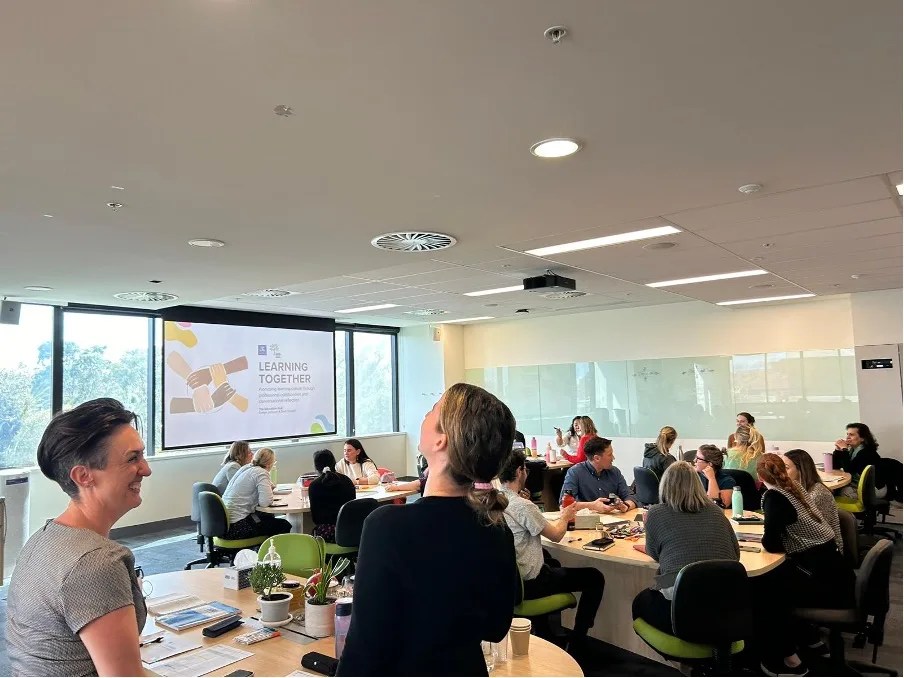
Learning together program to build a team that underpins a Learning Health System
Through innovative and bespoke learning practices, the team have been able to deliver programs that are cultivating a holistically skilled workforce. Similarly, as a well-established leader in the field, the RCH’s Simulation team has been making a profound impact in improving teamwork and driving safer clinical environments.
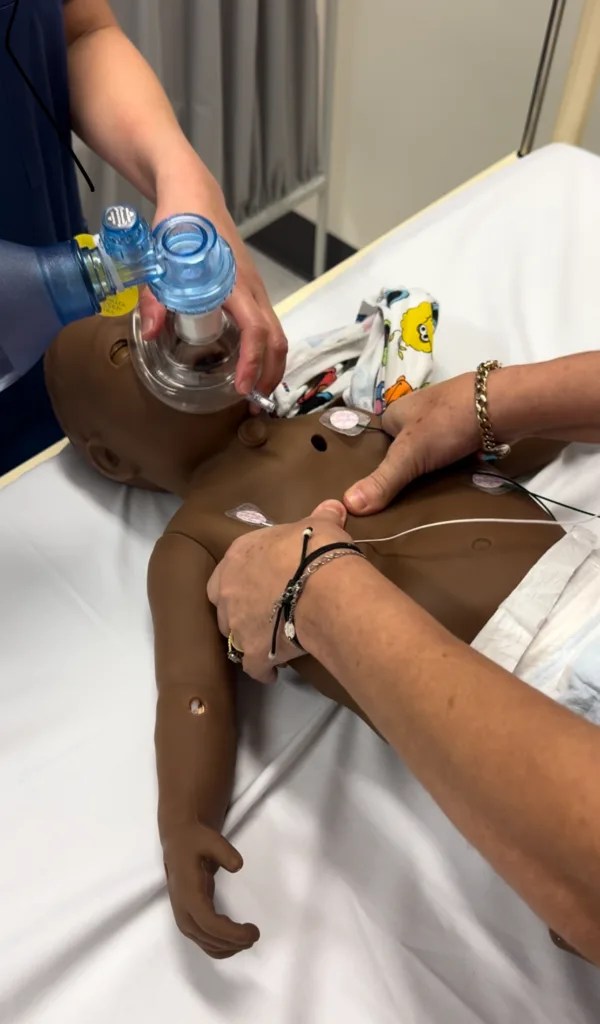
Simulation doll
“We’ve known for years how important simulation is in supporting health teams. But simulation today doesn’t look the same as it did five years ago. We now use simulation to test ideas before we even put them into practice. This really elevates the safety for patients and their families,” Amy highlighted.
The Education Hub and Simulation team have already made a profound impact on the paediatric workforce across the state. For instance, in 2024, both the Education Hub and the Simulation team’s outreach efforts supported 111 health facilities across metropolitan, regional and rural Victoria, empowering clinicians to look after their local communities.
“We’ve worked with hospitals that have never done a tonsillectomy before. Hospitals across the state expanded their services to address long waiting lists for this common procedure. To help them do so with the best possible care our nurses went to metropolitan and regional hospitals to upskill the post-operative teams. So, I think this statewide and regional impact is really important,” Amy said.
“The feedback we’ve heard on our outreach programs is that it has helped change the way they look after children. It has also given them new evidence and new ideas of how to practice that has been quite rapidly incorporated into what they do,” she continued.
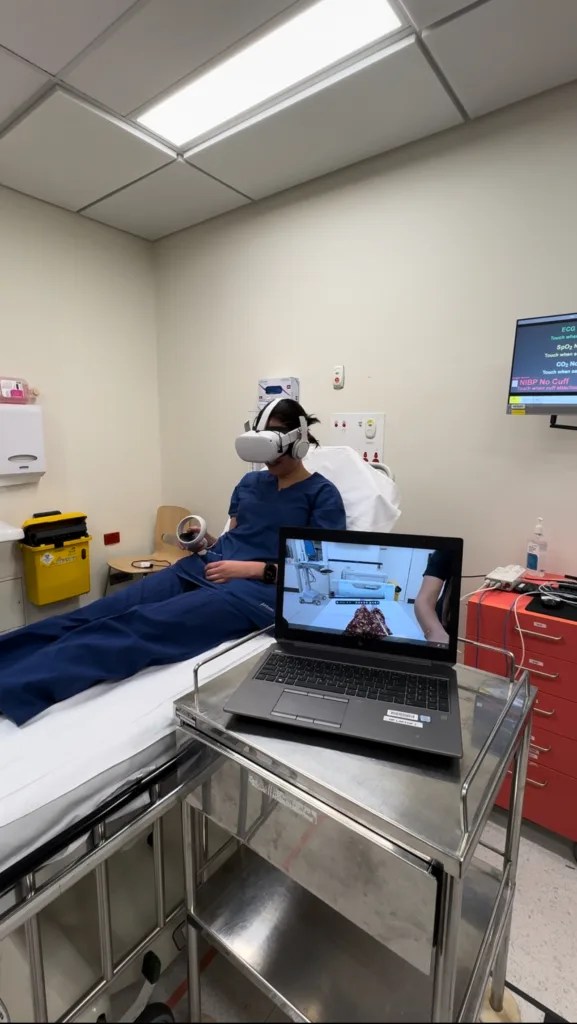
Virtual reality training
This new partnership will help uplift clinicians and paediatric staff across the RCH and state-wide, ensuring that even more children and young people can receive the best possible care, closer to home.
“Our health system needs to continually grow and change, and so to do the best for our patients, we need to continually take in new evidence and research. We’re working to enable the whole organisation to grow and learn, and be more adaptable,” Amy emphasised.
The Education Hub’s impact would not be possible without the support of the Good Friday Appeal and its generous donors. This is something that Amy and her team are incredibly grateful for.
“Investment in education is an investment in the future. This can often be taken for granted, but I’m so incredibly grateful when education receives the support from philanthropy because it allows us to do things that we would not be able to do otherwise,”.
Professor Amy Gray, Head of the University of Melbourne Department of Paediatrics and Director of the Education Hub.
Key Statistics
In 2023, more than 15,000 clinical and non-clinical staff participated in the Education Hub and Simulation team’s programs combined, helping build a quality workforce both within and beyond the hospital’s walls.
In 2024, these outreach efforts provided custom education programs to 111 health facilities, including 36 regional centres and 75 rural hospitals or acute care facilities.
In just the last year, the program has reached 5,000 staff across the campus through 500 face-to-face education events. The program has also accelerated opportunities for digital learning through technology. This includes the introduction of a virtual learning platform with over 20,000 users in 67 countries, podcasts that have 17,000 downloads a year, and web-based video content which have over 35,000 views each year.
2026 Program update:
Over the past year, this initiative has achieved a variety of successes including:
The Education Hub’s interprofessional team delivered 70 education sessions attended by over 1,300 staff across the Melbourne Children’s Campus.
Outreach programs engaged more than 2,800 participants from RCH and 18 metropolitan and regional health services.
The Simulation program reached over 1,600 participants from RCH and partner hospitals, including The Royal Women’s Hospital, Eastern Health, and La Trobe Hospital.
Collaborative education events strengthen links between RCH clinical departments and external professionals. Nine events to date have engaged over 405 external professionals and 306 Campus staff through flexible in-person and online delivery.
Customised programs were co-designed with stakeholders to meet the specific needs of health services and professional groups.
The Maternal Child Health Nurse program engages over 700 nurses annually and has inspired a similar initiative for Victorian School Nurses, launching February 2026.
The Hub increased visibility of learning activities through the RCH Education Instagram channel, quarterly newsletter, and other initiatives.
The virtual learning platform supported over 26,000 participants from 29 countries, up from 10,000 last year, with podcasts downloaded 13,600 times, video-based education viewed 32,300 times, and additional online resources accessed globally.
Innovative programs included a virtual reality education initiative, delivering 31 sessions to over 301 participants.
All programs are evidence-based, informed by stakeholder needs, and evaluated for high participant satisfaction and measurable impact.
Year to date, the team has published three research papers (four more in pre-submission), delivered four oral and two poster presentations at national and international conferences, received an award, and was invited to present at a webinar attended by over 300 participants.
Impact and value – looking ahead
The Royal Children’s Hospital (RCH) is committed to continuous improvement and innovation. This initiative, encompassing support for the hospital’s world-leading Simulation Centre, will help create a sustainable model that strengthens how staff learn, ensures risks are identified early, and strengthens the way knowledge is shared across the paediatric health system.
This will help achieve safer, more advanced patient care with better outcomes by establishing the RCH as a Learning Health System. By putting practical learning infrastructure in place, insights from clinical care will help lead to safer practices, better teamwork and faster improvements.
Together with the University of Melbourne’s Department of Paediatrics, the RCH is establishing a Learning Health System to improve outcomes for sick children, their families, and caregivers.
This system will embed data-driven decision making, patient and family co-design, and contemporary learning approaches into the hospital’s operations.
A Learning Health System architecture will drive a shift in organisational thinking, shaping what the hospital does and how it does it. Central to this is a dedicated Learning Lab that identifies problems in care and implements practical solutions.
The Lab will bring together teams from the Education Hub, Simulation Centre, and Centre for Health Analytics to review clinical challenges and develop tailored solutions aligned with the priorities of the RCH Executive Team and clinical departments.
By enabling clinicians to identify and address risks earlier, the Lab will enhance patient safety and promote best-practice approaches, supporting sustainable improvements and capability building based on health service priorities.
Leveraging existing hospital initiatives, the Lab will maximise the value of investments in data infrastructure, education, and improvement programs, transforming the RCH’s approach to learning.
The initiative will strengthen teamwork, leadership, and staff wellbeing, while delivering measurable improvements in safety, quality, and efficiency of care.
Ultimately, this model has the potential to extend beyond the RCH, serving as a blueprint to enhance paediatric care across Victoria.