RETCAM

Thanks to the support of the Good Friday Appeal, ophthalmologists at The Royal Children’s Hospital will soon have access to two additional digital retinal cameras – specialised RETCAMs – to detect serious eye conditions in newborns, infants and children.

These cameras are vital in the early detection of Retinopathy of Prematurity (ROP), a condition that can affect premature babies when the blood vessels on the surface of the retina do not develop properly. Without early diagnosis and treatment, ROP can cause permanent vision loss or blindness. With timely screening and imaging using RETCAMs, this condition is often entirely preventable.

The Royal Children’s Hospital relies on RETCAM technology to provide detailed digital images of the retina, helping ophthalmologists assess eye health quickly and accurately. In 2023, support from the Good Friday Appeal allowed the hospital to upgrade its first camera, improving care for vulnerable newborns.

Demand for this life-saving technology has grown rapidly. With only one camera previously available, multiple clinical teams often needed to share the equipment, which could create delays in time-critical assessments. The addition of two more RETCAMs will ensure that no child’s care is postponed because the camera is in use.

The new cameras will support the Newborn Intensive Care Unit, where the smallest and most vulnerable babies are at highest risk of developing ROP, and will strengthen services across the hospital, including the Emergency Department, ocular oncology, surgical care, forensic medicine and outpatient clinics. By integrating retinal imaging into routine assessments, clinicians can monitor eye health more efficiently and intervene as soon as damage is detected, often preventing irreversible vision loss.

With strategically located cameras available for rapid deployment, the RCH can provide faster, more reliable and resilient care. This investment safeguards the sight of some of Victoria’s most vulnerable children, giving premature babies the opportunity to grow, learn and experience the world with healthy vision.

Thanks to the Good Friday Appeal, every child at risk of ROP will now have a better chance of receiving urgent, sight-saving care exactly when it is needed most.
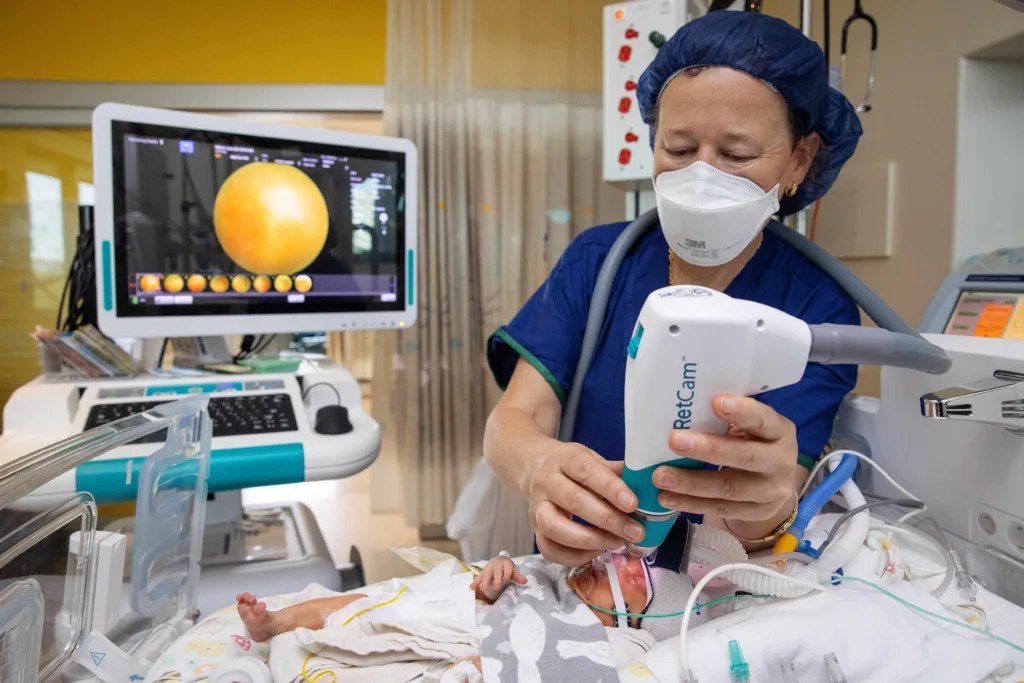
Royal Childrens Hospital Good Friday Appeal 2023: Dr Susan Carden uses a RETCAM provided by GFA funding on patient Luka. Picture: Mark Stewart

Last updated February 2026

Our Newsletter

Everything Good Friday Appeal, straight to your inbox. Get more information about your impact and how to get involved.

MRI-Compatible Neonatal Transport Ventilators

Thanks to the support of the Good Friday Appeal, The Royal Children’s Hospital (RCH) will soon invest in MRI-compatible neonatal transport ventilators. This life-saving equipment will significantly improve care for babies in the Neonatal Intensive Care Unit, where even short movements for scans or surgery carry serious risk. This vital investment will allow vulnerable babies to be transported more safely and with greater ease.

Transporting a critically ill newborn is never simple. Even small movements can cause instability for babies whose lungs and bodies are still developing. Neonatal transport ventilators provide continuous, reliable breathing support while babies are moved to operating theatres or imaging suites, including the MRI suite, where specialised equipment is essential.

“MRI machines use powerful magnetic fields to create detailed images that help us understand a baby’s condition and plan treatment,” explained Dr Trisha Prentice, Deputy Director of the NICU at the RCH.

“That environment requires equipment that can operate safely within those magnetic fields, without compromising the baby’s safety or the quality of the imaging,” she added.

MRI-compatible neonatal transport ventilators are purpose-built for this challenge. They allow babies who are intubated or need ongoing respiratory support to be safely transported into the MRI suite, while maintaining consistent breathing support. Without this specialised technology, these critical investigations would be far more difficult.

“These brand-new ventilators give us much greater flexibility than our older machines,” Trisha shared.

“They allow us to closely match the breathing support a baby receives at their bedside, which helps minimise disruption and keeps babies comfortable during transport. By optimising the breathing support we provide, we’re not just keeping babies safe in the short term, we’re also protecting their lungs for the future,” she further emphasised.

The new devices also provide enhanced monitoring and real-time feedback, allowing clinicians to see exactly how a baby is responding and adjust support as needed. This reduces clinical risk during transport and ensures babies receive the highest standard of care throughout their journey.

For families, the benefits are deeply felt. The NICU is an incredibly stressful environment, and watching a baby be moved for scans or procedures can heighten anxiety. Knowing that their child is being supported by state-of-the-art equipment offers reassurance during some of the most difficult moments they will ever face.

“Having access to modern, reliable equipment helps families trust that their baby is receiving the best possible care,” Trisha shared.

Equipment like MRI-compatible neonatal transport ventilators has an immediate and lasting impact on patient care – and none of this would be possible without philanthropic support.

“We simply couldn’t provide the level of care we do without the support of our donors and the wider community,” Trisha highlighted.

“These ventilators are essential in supporting critically ill babies across the hospital, and they can only enhance the care we provide to our most vulnerable patients. We are incredibly grateful to the Good Friday Appeal for helping us invest in this vital technology,” she continued.

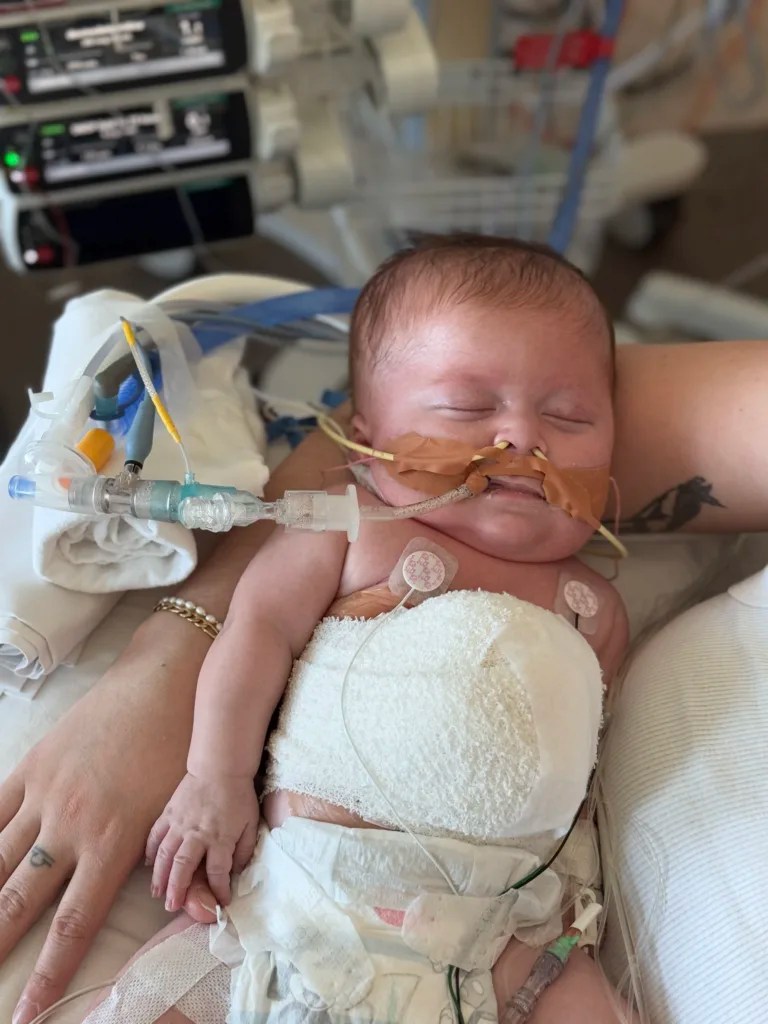
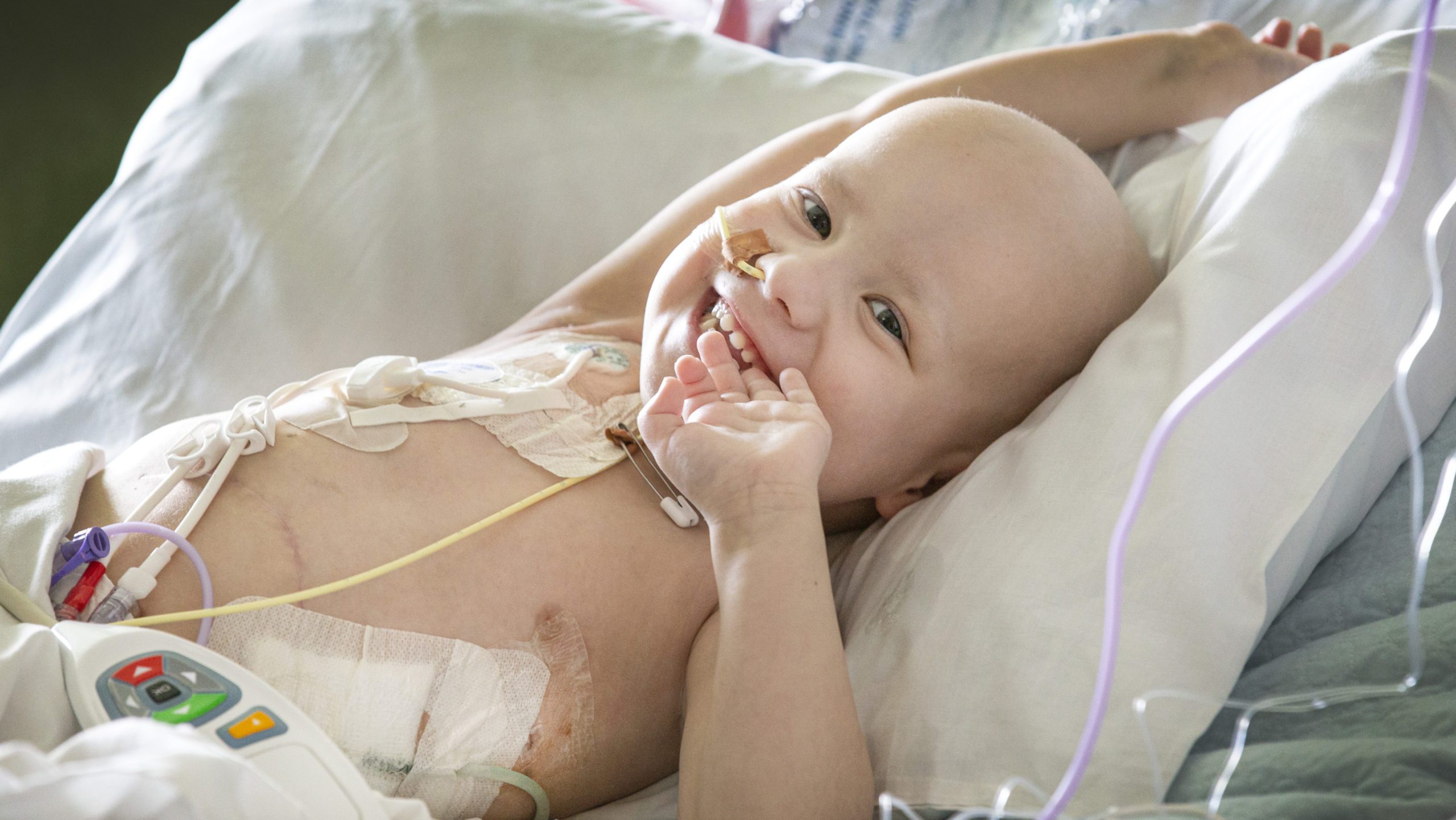
RCH patient, Luca hooked up to pre-existing ventilator

“The brand-new neonatal transport ventilator is essential in supporting critically ill babies across the hospital. It offers safe, reliable, and future-proof transport capability and can only enhance the care that the RCH provides for its most vulnerable patients. Thank you to the Good Friday Appeal and the community for helping us invest in this essential technology.”

– Dr Trisha Prentice, Acting Director of the Newborn Intensive Care Unit at The Royal Children’s Hospital

Last updated February 2026

Our Newsletter

Everything Good Friday Appeal, straight to your inbox. Get more information about your impact and how to get involved.

Upgrade of Retcam

Each day some of Victoria’s sickest babies and infants are admitted to the Butterfly Ward at the RCH, the Newborn Intensive Care Unit (NICU), with many teams from across the hospital coming together to provide specialist care. One of the teams caring for these babies is the Ophthalmology Department.

Through Good Friday Appeal support, RCH Ophthalmologists will have access to the latest equipment and technology, with the upgrade of a vital tool used in screening for eye disease in newborns, known as a RETCAM.

Using the RETCAM, clinicians are able to take digital photos of structures inside the eye to screen for paediatric eye conditions. The device will also play a pivotal role in how a patient’s evolving eye disease is managed. For example, for children with retinoblastoma, an eye cancer that develops in the retina, the RETCAM can be indispensable in detecting changes in the retina which can progress from sight-affecting to life threatening. The current system has been in use at the RCH since 2002 with almost 6,000 babies already directly benefiting from this sight-saving technology.

Last updated March 2024.

Our Newsletter

Everything Good Friday Appeal, straight to your inbox. Get more information about your impact and how to get involved.

New Electrosurgical Units

On average, over 13,000 surgeries are undertaken at the RCH every year. Thanks to support from the Good Friday Appeal and 3AW, clinicians across the hospital will have access to the latest equipment through the upgrade of 19 electrosurgical units.

Used in almost every surgery, and across multiple departments, the electrosurgical unit uses a high-frequency electrical current to cauterise blood vessels during surgery. The new devices will contain the latest technology available and will ensure safer, quicker, and more precise surgeries.

Last updated February 2024.

Our Newsletter

Everything Good Friday Appeal, straight to your inbox. Get more information about your impact and how to get involved.

Cutting-edge neuro equipment

The health outcomes for children with disorders of the brain, nerves and muscles will be improved thanks to equipment The Royal Children’s Hospital Neurophysiology Department is able to purchase with Good Friday Appeal funds.

A dedicated Neurophysiology Service sits within the department, with a focus on the study of nerve cells (neurones) as they receive and transmit information in the brain, spine, and muscles, and uses advanced technology to do so.

Through support from the Good Friday Appeal and 3AW, vital, ageing neurophysiology equipment will be replaced with enhanced, state-of-the-art pieces to provide the highest standard of care to patients with neurological disorders.

There are three large groups of equipment that looks at how the brain functions being funded by the 2022 Good Friday Appeal.

  • Ageing EEG equipment, which is brain wave recording equipment, used around the hospital, in the outpatient area, on the wards and in operating theatres, as well as in homes, will be upgraded
  • New monitoring equipment that will neurosurgeons and orthopaedic surgeons will use in the operating theatre to operate on the back and spine more safely
  • The department will also purchase a unique, cutting edge piece equipment that will allow them to do EEG recordings inside and MRI scanner which previously you couldn’t as metals and wires in MRI scanners.

Dr Simon Harvey, Consultant Neurologist and Director of the Children’s Epilepsy Program, said brain disorders, including epilepsy, were very common and could be quite disabling for some children.

“We’ll be able to work better and hopefully treat more children, more efficiently and more safely, and get better outcomes. We’ll be able to operate on more children who have scoliosis, so spinal curvature surgery, epilepsy surgery, and so forth, and do this in a more comfortable way and efficient way,” Dr Harvey said.

“The funds raised from the Good Friday Appeal allow us to go further and provide a really high level of care, introduce new services, introduce cutting edge equipment and staff to do research.”

Last updated February 2024.

Our Newsletter

Everything Good Friday Appeal, straight to your inbox. Get more information about your impact and how to get involved.

Radiation monitoring technology

Monitoring the radiation levels of every child that undergoes an X-ray, CT scan or other specialised medical image at The Royal Children’s Hospital has been transformed thanks to the new MyXrayDose computer system funded by the RCH Auxiliaries through the Good Friday Appeal.

MyXrayDose is changing the way the RCH cares for patients, ensuring long term health outcomes. Medical imaging and scans are essential tools for diagnosing, measuring and managing a number of health conditions, however each scan exposes the patient to a small dose of radiation. For some children, their condition means that they need to undergo a large number of these scans in their lifetime.

Thanks to this new technology, Amanda Perdomo, the Radiation Safety Officer at the RCH, and her team have the ability to accurately measure their exposure to radiation, to ensure the risk is managed and minimised.

Nine Auxiliaries including the President’s Fundraising Network, Kooyong Lawn Tennis Club, Broadmeadows, Parkville, Templestowe, Footscray and Yarraville Juniors, Geelong, Knox-Sherbrooke and the Southern Rainbows Auxiliaries funded the software as a gift of $150,000 to honour 150 years of the hospital.

“It has been of great value to the Medical Imaging Department and the service we are now able to provide, and it wouldn’t have been possible without the funding provided by the Auxiliaries,” said Amanda.

Prior to this radiation tracking software, there was no central way of monitoring patients at the RCH and their lifetime burden from radiation exposure.​

“It’s much, much easier to monitor now. In the past, a radiographer would look at the scans and then contact me if there were any issues. The radiation information was recorded manually so there was more room for error or data loss,” said Amanda.​

The patient radiation and image quality monitoring software collates the radiation dose exposure for all patients and for every examination involving ionising radiation at the RCH. If any of the radiation exposures are outside of predetermined dose limits or the image isn’t optimal, the software automatically sends an alert to Amanda for assessment.

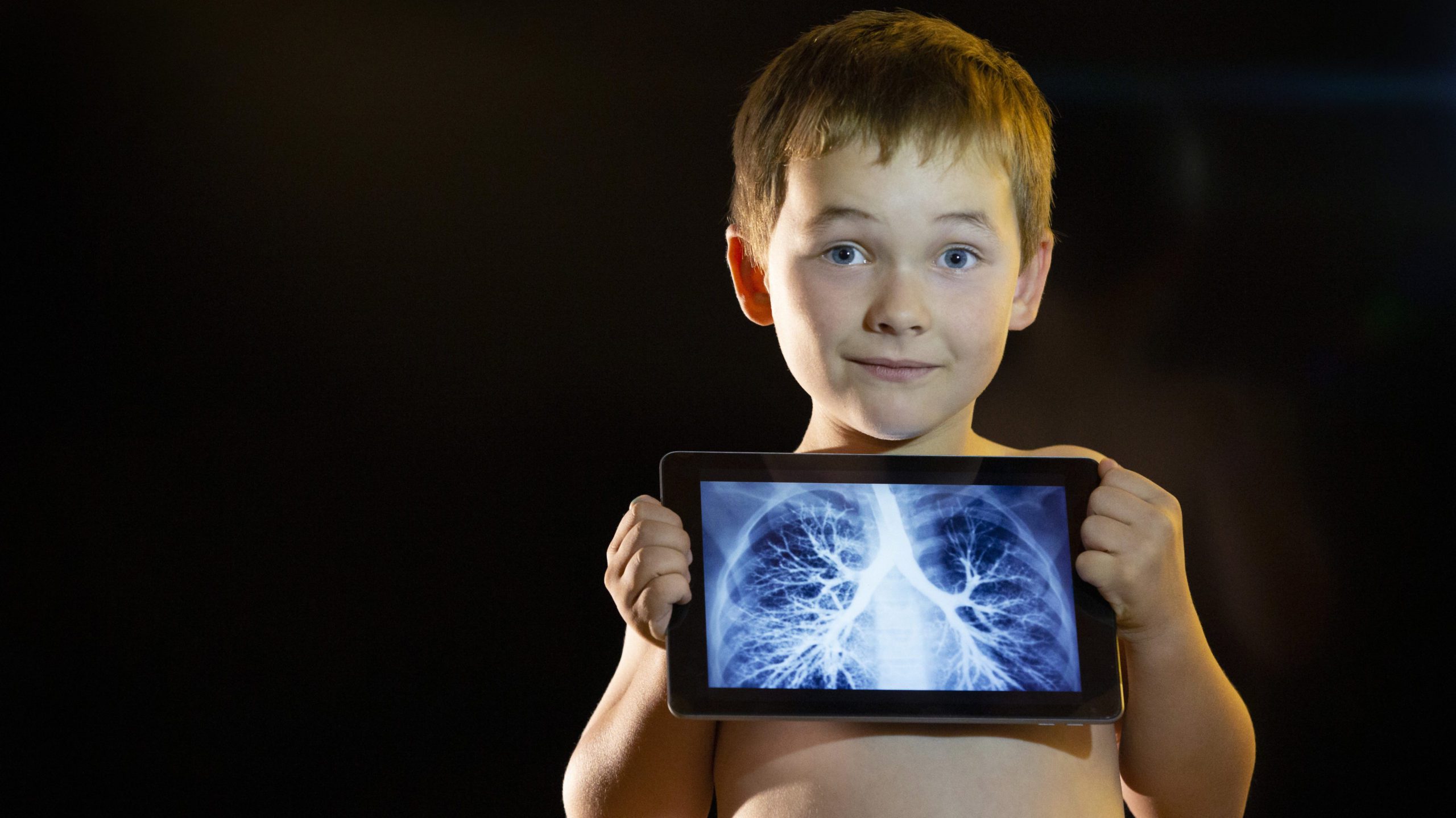
Benjamin McLean 5, is fighting cystic fibrosis. Picture: David Caird

“Although there are strict safety procedures implemented when patients undergo scans, they are still being exposed to a small dose of radiation. Excessive exposure can lead to a greater risk of developing cancer. Parents can understandably feel anxious about exposing their child to radiation,” said Amanda.

“This system has immediate benefits for patients; the dose and image quality is being looked at for every single patient – I am overseeing everything in the background. Also, I now have the information at hand to show parents and ease their mind – I can communicate to them ‘here is the last 1,000 children who had this exam’ and being able to show the minimal radiation risk versus the risk of the patient not having that exam.”

The system will also allow Amanda to identify any trends in increasing radiation dose or decreasing image quality over time.

“In the long term, once we get sufficient data, we can compare ourselves to international sites and see where we can potentially improve,” said Amanda.​

“We are so thankful to the Auxiliaries; this software has allowed us to deliver really great care to patients and has ensured we are able to go above and beyond. The RCH is the only Australian paediatric hospital that uses a comprehensive dose tracking software, meaning we are best practice and have the potential to be world leaders in this area.”​

Please note: the X-ray image on the iPad held by Benjamin is not of his lungs.

Last updated February 2024.

Our Newsletter

Everything Good Friday Appeal, straight to your inbox. Get more information about your impact and how to get involved.

Auditory brainstem response equipment

The Audiology Department at The Royal Children’s Hospital plays a crucial role in the diagnosis, monitoring and management of hearing health in children.

As it services patients from birth to 18 years old, there are a variety of assessment techniques and equipment used to evaluate hearing based on age and development.

The latest auditory brainstem response audiometry equipment is providing a specialised way to assess hearing in babies.

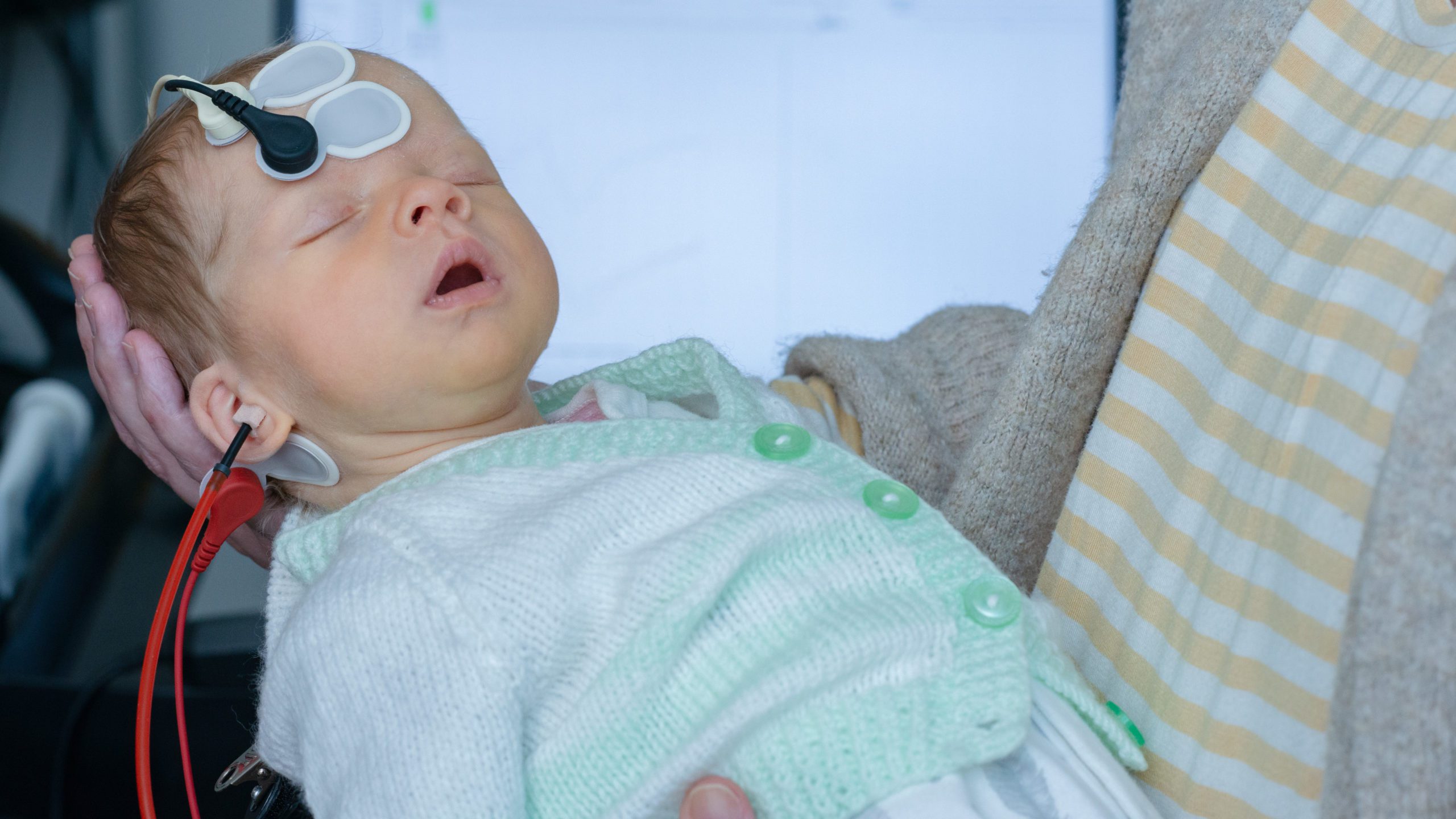
“We tell families to bring a hungry, tired baby to the clinic so the test can be conducted during the child’s natural sleep. Recording stickers are placed on the forehead and behind the ears which are all connected to a computer. Ear plugs are put in the baby’s ears where the computer can send different stimuli,” explains Christine Poulis, Manager of the Audiology Department.

“Testing commences after the baby is fed and falls asleep. The computer plays stimuli through the ear plugs, then measures the electric responses from the auditory nerve and brainstem.”

Six-week-old Alba having her hearing tested with the new equipment.

Previously, the equipment took longer to assess children as only one ear could be tested at a time.

The latest model of equipment means testing can be done in both ears simultaneously so families can have answers about their child’s hearing faster and in one appointment.

“Current research shows that hearing problems diagnosed and treated in the first three months of life result in better language outcomes for children.

“Thanks to the community’s generosity, we can continue to provide a high-quality service to all children with the best equipment on hand,” said Christine.

The auditory brainstem response equipment is one of 25 vital pieces of equipment that will be upgraded at The Royal Children’s Hospital thanks to the community’s support of the 2021 Good Friday Appeal.

Last updated February 2024.

Our Newsletter

Everything Good Friday Appeal, straight to your inbox. Get more information about your impact and how to get involved.

Mitral Valve Retractor

A unique piece of surgical equipment, the mitral valve retractor is designed specifically to assist surgeons conducting a mitral valve surgery.

The mitral valve is a very small valve located between the left heart chambers which lets blood flow through in a single direction.

When the valve doesn’t close, or becomes stiff, this is life threatening and requires open heart surgery to fix it.  

“This mitral valve retractor is used mainly on older children or young adults. At the RCH we conduct about 20 mitral valve repairs per year, and most of these patients are Indigenous Australian children presenting with rheumatic heart disease,” said Professor Christian Brizard, Director of the Cardiac Surgery Unit.

Rheumatic heart disease is a serious disease of the heart where one or more of the four heart valves is affected.

This results from acute rheumatic fever which means the heart lining swells and causes lingering damage.

The incidence of rheumatic heart disease in the Indigenous Australian population is one of the highest in the world. 

With the new mitral valve retractor, cardiac surgeons have greater visibility and stability of the surgical area as well as reducing the need for other additional assistance during the procedure.

The equipment will ensure that children from right across Australia can have this specialised surgery.

“We are always grateful to the Victorian community for their generosity in helping to fund advanced equipment which enables us to perform life-saving surgery – thank you,” said Christian.

The Mitral Valve Retractor is one of 25 vital pieces of equipment that will be upgraded at The Royal Children’s Hospital thanks to the community’s support of the 2021 Good Friday Appeal.

Last updated February 2024.

Our Newsletter

Everything Good Friday Appeal, straight to your inbox. Get more information about your impact and how to get involved.

Vital equipment upgrades

Thanks to the generosity of the Good Friday Appeal community, equipment vital to great patient care is being upgraded across The Royal Children’s Hospital. With the most advanced equipment, the RCH can continue to provide the best diagnosis and treatment for some of the sickest children in Victoria and beyond.

More than 25 different types of equipment will be bought, including state of the art operating tables for trauma surgery, bedside monitors for critically ill children in the Intensive Care Unit and a new suite of defibrillators to be used across the hospital.

Other equipment that will be bought includes:

  • A fibre-optic endoscope, which has a light and tiny camera at the end, allowing doctors to diagnose and treat gastrointestinal conditions.
  • A halo retractor system for trauma brain surgery, which is an essential piece of equipment for operations on the brain. The halo retractor system will be used to gently hold portions of the brain in place and gives surgeons greater access to perform complex procedures.
  • A portable video x-ray machine to give surgeons performing delicate hand and foot operations the ability to more easily find fractures and defects in the bones they are trying to repair.

Go behind the scenes in the Neurosurgery Theatre with Alison Wray, Director of Neurosurgery

Funds from the 2021 Good Friday Appeal have helped purchase a probe that attaches to the microscope used in brain surgery to help surgeons see around corners.

Last updated February 2024.

Our Newsletter

Everything Good Friday Appeal, straight to your inbox. Get more information about your impact and how to get involved.

nanoString technology

Every year in Australia, around 700 children are diagnosed with cancer. The time and accuracy of this diagnosis is crucial to their ongoing care. Thanks to support from the Good Friday Appeal, The Royal Children’s Hospital (RCH) now has access to nanoString technology to support the rapid identification and diagnosis of these cancers.

While there are nine common types of paediatric cancer, the individual tumour variants for paediatric brain and solid tumours can vary dramatically by their unique genetic alterations and treatment.

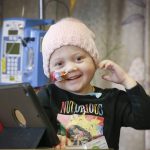
Kids like Oli, 3, who is being treated for neuroblastoma, will be helped by nanoString Technology

Luckily for patients at the RCH, the hospital is home to an expert team of pathologists who are able to utilise cutting edge technology to molecularly confirm the diagnosis.

“Kids get a very specific group of tumours that you don’t see in adults. While we can begin to narrow down the tumour type via a microscope, we need to complete testing at a molecular level to provide an integrated diagnosis,” said Colleen D’Arcy, Paediatric Pathologist at the RCH.

“The new nanoString technology allows us to test for up to 100 different genetic alterations within a tumour in one assay, which means we can get a diagnosis faster, with minimal amounts of tissue and provide molecular information to guide therapy,” said Dr D’Arcy.

The new nanoString technology works by taking a tissue sample from the patient’s tumour and comparing it against a panel of tumour-specific RNA sequences labelled with coloured ‘barcodes’, in the hopes of finding a diagnostic match.

The ability to screen for multiple tumour-specific RNA sequences at once as part of a panel is a major advancement from the previous process which required pathologists to test for only one genetic alteration at a time.

The new nanoString technology is also much faster than those previously used, cutting down the diagnosis time from weeks to just three days.

The best part is, it’s not just helping patients at the RCH, but also those from across Australia and New Zealand. 

“This is a really exciting advancement for not only the RCH, but for children in the Asia Pacific Region. Through the support of Good Friday Appeal funding, the nanoString technology will enable our team of pathologists to test up to 24 tumour samples from other paediatric hospitals in the region every week,” said Bronwyn Christiansen, Principal Scientist, Anatomical Pathology, Laboratory Services.

Thanks to support from the Good Friday Appeal, nanoString technology is providing faster pathways to diagnosis, which means patients can receive the best care possible, and enrol in dedicated clinical trials, giving them the greatest chance of successfully fighting their cancer.  

Last updated February 2024.

Our Newsletter

Everything Good Friday Appeal, straight to your inbox. Get more information about your impact and how to get involved.