Thanks to the generosity of the Good Friday Appeal, the hospital is expanding its virtual care offering so more children and families can access expert treatment sooner and closer to home.
Over recent years, Victorian health services have transformed how care is delivered by embedding digital health technologies. Virtual care enables patients to receive efficient, high-quality care while reducing travel, wait times and disruptions to daily life. As demand for specialist services grows and care becomes increasingly complex, strengthening digital health capability is essential to ensuring timely access for families across the state.
This investment will accelerate the hospital’s virtual care transformation, helping more patients benefit from remote consultations, digital tools and online support. Virtual specialist care enables rapid assessment, treatment and follow-up, allowing children to receive expert paediatric care in their communities without distance becoming a barrier.
Over the next 18 months, the hospital will work toward doubling virtual specialist appointments. This expansion will help families access care faster and more conveniently, while supporting continuity of treatment and follow-up.
The initiative also includes optimising the My RCH Portal, a patient website and mobile app that places families at the centre of care. Through the portal, parents and guardians can access medical records, manage appointments, view test results, request prescriptions and communicate with care teams. Enhancing these digital tools will allow families to connect with their healthcare providers and manage care more easily.
Strengthening virtual care also supports collaboration with regional and remote health services, enabling expert consultation, education and workforce development across the state. The hospital will continue to scope and design new virtual care models in partnership with patients, families and industry, ensuring future services are safe, effective and responsive to real-world needs.
Beyond immediate improvements, this initiative represents a long-term investment in sustainable, scalable healthcare. By guiding families before, during and after each episode of care, virtual services will help ensure children receive the right care, in the right place, at the right time – improving access while maintaining strong clinical governance and continuity of care.
Everything Good Friday Appeal, straight to your inbox. Get more information about your impact and how to get involved.
Oncology Navigation
Thanks to the generous support of the Good Friday Appeal, families receiving care through the Children’s Cancer Centre at The Royal Children’s Hospital will soon experience a more seamless and truly patient-centred cancer care journey.
Each year, the Children’s Cancer Centre provides statewide care to approximately 300 newly diagnosed and relapsed paediatric cancer patients. For families, understanding a diagnosis and navigating treatment pathways can feel overwhelming. A child’s cancer journey often spans inpatient care, outpatient visits, surgery and complex medical procedures, with multiple specialist teams involved. Each stage requires coordination, which can create added pressure at an already stressful time.
This complexity can lead to delays or disruptions in care. With the support of the Good Friday Appeal, the hospital will address these challenges by establishing an integrated point of coordination designed to guide families through every stage of treatment.
This initiative will create one clear point of support, helping families better understand their child’s care pathway from diagnosis through treatment and follow-up. By strengthening navigation, scheduling and coordination across oncology services, children will be able to access timely and well-organised care with greater clarity and reassurance.
Drawing on clinical and operational expertise across departments, the program will support smoother transitions between inpatient and ambulatory care, as well as pre-admission planning and follow-up coordination. With proactive support at each step, families can focus on their child’s treatment and recovery rather than the logistics of managing care.
By creating a coordinated and predictable pathway, this initiative will deliver a more family-focused experience and reduce stress during an incredibly challenging time. It represents a meaningful step toward transforming how paediatric cancer care is delivered – ensuring children and families receive compassionate, connected support throughout their journey.
Everything Good Friday Appeal, straight to your inbox. Get more information about your impact and how to get involved.
Hospital Wide Art Therapy Program
Thanks to the Good Friday Appeal, The Royal Children’s Hospital will significantly expand its hospital-wide art therapy program, allowing more children and families to access this essential emotional and therapeutic support during their hospital journey.
Art therapy provides children and young people facing illness with a safe and supportive way to express and process their emotions through creativity and artmaking. For many patients, putting feelings into words can be difficult. Art therapy offers an alternative pathway for communication, helping children explore their experiences, reduce anxiety, and cope with the emotional challenges of illness and hospitalisation.
This specialised therapy plays a vital role in paediatric healthcare settings. Evidence shows art therapy can reduce anxiety, depression, pain and distress, while improving mood and overall quality of life. By supporting emotional wellbeing alongside medical care, art therapy helps children feel more in control, comforted and engaged throughout treatment.
At the hospital, art therapy is currently offered in select areas, supporting children facing serious illnesses, including cancer. However, the need for this service extends far beyond these settings. Many children and young people – including those with a wide range of illnesses, disabilities, experiences of trauma, and life-limiting conditions – could benefit from access to therapeutic creative support.
Through the Good Friday Appeal’s investment, the art therapy program will nearly double in size, employing additional art therapists who will work across the hospital to ensure more equitable access to care. This expansion has the potential to support around 3,000 children and young people each year, allowing more families to receive meaningful emotional support alongside medical treatment.
By embedding art therapy more broadly across the hospital, patients will gain greater access to coping strategies, emotional relief and opportunities for self-expression during challenging times. This expansion strengthens the hospital’s commitment to caring for the whole child – recognising that healing involves emotional wellbeing as well as physical recovery.
Through creativity, connection and compassionate care, the expanded art therapy program helps children build resilience, maintain wellbeing and find moments of comfort during their hospital experience.
Everything Good Friday Appeal, straight to your inbox. Get more information about your impact and how to get involved.
The Family Hub Indoor Play Space
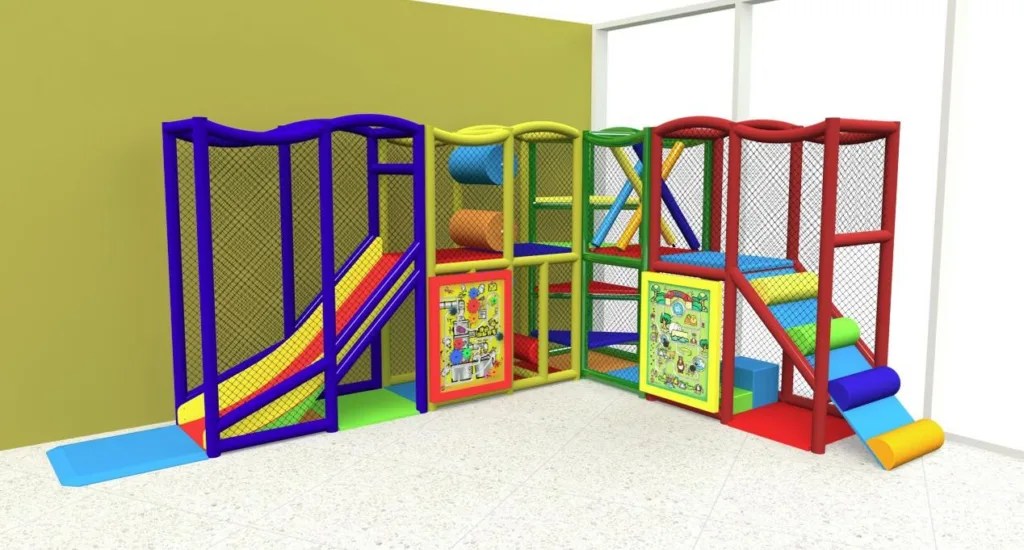
For the thousands of families who rely on the services of The Royal Children’s Hospital (RCH) each year, the Family Hub offers something simple but powerful: a break from the clinical world around them. Soon, this sanctuary will strengthen its impact, as the hospital prepares to establish its first and only indoor play space within the Family Hub – thanks to the generosity of the Good Friday Appeal.
Often described as a ‘home away from home’, the RCH’s Family Hub is a non-clinical space designed to give families respite from hospital rooms, appointments, and long days of treatment. With a quiet lounge, kitchen facilities, and a business centre, it allows patients and their families a chance to pause, regroup, and feel a sense of normalcy during what can be an overwhelming time.
Each year, around 24,000 parents, carers, siblings, and patients pass through the Family Hub. With children making up nearly a third of all visitors, the need for a dedicated play space for younger children became increasingly clear.
“What we were finding over the past few years is that families were increasingly wanting more space for their children to be able to safely play. Up until now there’s been no other internal play space available to children under the age of five,” shared Kiley Kavanagh, the hospital’s Family Services Manager.
This play space will accommodate children of all abilities, ensuring those with a range of illnesses can safely engage in play. This inclusive approach can help transform the hospital experience for all children, to better support their recovery and well-being during hospital stays.
“Kids need to play and exert their energy, and it’s important that they actually have something tangible to do. The importance of play in the healing process cannot be overstated,” Kiley highlighted.
This area will also encourage family bonding, allowing patients to enjoy the space alongside their siblings. In doing so, the area will help ensure the whole family can stay connected while a child receives care.
“Kids can climb, explore or play solo. This thoughtfully designed play space can also give mums, dads or carers a bit of a break – keeping children entertained and occupied,” Kiley shared.
The play space will help transform the hospital experience for children at the RCH in countless ways. It can support cognitive development, provide a positive distraction from pain and discomfort, reduce anxiety, and give children a greater sense of control over their environment – empowering them throughout their hospital stay.
Kiley and the entire team at the RCH are incredibly grateful for the generosity and ongoing support of the community in helping bring this play space to life, helping make a truly life-changing impact.
“Thank you to the Good Friday Appeal for helping the RCH invest in an indoor play space. This designated area has the power to not just improve the emotional wellbeing of a child, but the entire family,” Kiley said.
Playspace Concept Drawing
“The importance of play in the healing process cannot be overstated. From reducing anxiety to encouraging family connection, the benefits that come with play, and a play space are endless. Thank you to the Good Friday Appeal for helping the RCH invest in an indoor play space. This designated area has the power to not just improve the emotional wellbeing of a child, but the entire family.”
Everything Good Friday Appeal, straight to your inbox. Get more information about your impact and how to get involved.
Child Life Therapy (Educational Play Therapy Procedural Support)
Thanks to support from Woolworths through the Good Friday Appeal, children and young people at The Royal Children’s Hospital (RCH) are supported by a team of dedicated Child Life Therapists through the Child Life Therapy Program.
Child Life Therapy plays a crucial role in paediatric healthcare by helping children and their families navigate the emotional and psychosocial challenges associated with illness, hospitalisation, and medical procedures.
Specially trained Child Life Therapists provide psychosocial support through evidence-based, trauma-informed, and developmentally appropriate interventions. They use therapeutic play, emotional support, and education to reduce anxiety, build coping strategies, and promote a sense of normalcy for children and their families. This specialised care enhances overall well-being, helps children express their feelings, and can even improve recovery outcomes.
“Child Life Therapy is all about supporting children and families who are facing illness, hospitalisation, and the anxiety that often follows. We provide psychosocial support through evidence-based, trauma-informed, and developmentally appropriate interventions. Our goal is to help children understand their experiences, manage stress, and express their emotions in healthy and helpful ways.”
Carlie Alicastro, Child Life Therapist and Host, RCH TV.
The Child Life Therapy team, in conjunction with the RCH TV Team, develop peer modelled preparation videos for patients so they can better understand things around the hospital. Examples include A child’s guide to nebulisers, and Let’s Learn About… lead aprons. These videos are widely viewed by the community on the hospital’s website and YouTube channel.
The Child Life Therapy team also run a dedicated Mock MRI Clinic which gives patients an opportunity to learn about what an MRI is, and to experience a simulated MRI prior to their booking. The clinic empowers children to achieve an awake MRI, without general anaesthetic, which frees up the anaesthetists for the most vulnerable patients.
The Child Life Therapy Program reduces anxiety and hospital related trauma in children, prevents the need for more complex medical interventions and leads to a more positive hospital experience overall.
Carlie provided this story about a patient:
“I want to share with you a story about a very special child I worked with earlier this year. Her name is N. N is four years old, and when I first met her, she was absolutely terrified. She was facing a procedure called lymphoscintigraphy — a type of imaging where she would need to lie still for an extended period, with the added anxiety of a needle in the webbing of her toes. Ouch right!?
When I entered N’s room, I found her curled up in bed, her face streaked with tears. She was repeating, ‘I’m scared,’ over and over. My heart broke for her. But I knew that I could be with her — I could sit beside her. I could listen to her fears. I could help.
Together, we spent the next two hours navigating her fear. I provided step-by-step guidance, gave her time to process it at her own pace, and offered comfort with the soft hum of her favorite show, Bluey, playing on an iPad. But most importantly, I was present — not just in the room, but with her in her fear, with her in her pain.
I left that day wondering: ‘could I have done more to ease her distress?’ A few days later, N surprised me. She came running up to me, excited to see me, proudly talking about how she’d won a prize from our Hospital Lingo TV show. I had no idea she would remember me with such joy after such a tough experience. And in that moment, I realised that it wasn’t about making the fear go away; it was about showing N that she wasn’t alone in it.
I was with N in her pain, with her in her fear, and it allowed her to feel safe and empowered, even in one of her toughest moments. ”
Approximately 500 Child Life Therapy sessions are provided per month across the RCH.
Impact Milestones
2021/2022
Over 1,200 outpatient procedures were supported by the Child Life Therapy Program across Burns, Plastic, Orthopaedics, Pathology and nurse led clinics.
Over 700 cardiac outpatients were supported by Child Life Therapists in specialist clinics, including pathology and medical imaging.
Cardiac patients were identified by the Child Life Therapy team as a patient cohort who often arrived for planned surgery with high anxiety and medical related trauma. Early support by the Child Life Therapy team via outpatient clinics reduced patient distress and led to improved experiences, once patients were admitted for surgery.
Child Life Therapists performed 493 Mock MRIs. Of these patients, approximately 11 per cent went on to need a general anaesthetic for their real MRI.
2022/2023
1,311 patients were supported by the Child Life Therapy Program across the Medical Imaging Department.
2023/2024
Child Life Therapists performed 666 Mock MRI’s. Of these 590 went on to try an awake MRI.
89 per cent of children who had Mock MRI went on to have an MRI.
2026 Update
Over the past year, Child Life Therapists at The Royal Children’s Hospital (RCH) helped transform countless lives and uplift capabilities in the following ways:
Child Life Therapists have offered individualised support to over 11,000 inpatients and outpatients, helping them develop coping strategies and manage their hospital experiences in a more positive way.
This dedicated support has resulted in decreased anxiety, pain perception, distress, and improved mood. This is optimising social and emotional wellbeing, while minimising the short and long-term effects that come with being at the hospital.
The world-class Child Life Therapists at the RCH have also provided education sessions to nursing, medical, and allied health staff to empower them to support children in a positive way. They have also presented at two conferences this past year, helping disseminate their knowledge across the community.
Everything Good Friday Appeal, straight to your inbox. Get more information about your impact and how to get involved.
Mother Goose Program
Through the program, carers gain skills and confidence to help them during their children’s crucial early years, while children benefit from early experiences with language and communication. The PCMG Program is particularly beneficial for families experiencing isolation or disadvantage, families with developmental concerns for their child, and families with English as a second language.
Thanks to the generosity of Uncle Bobs Club, who have been supporting the Good Friday Appeal since 1942, the PCMG Program is made available to the community through The Royal Children’s Hospital (RCH) Early Childhood Intervention Service. It has now been running for over 20 years.
In 2024, Uncle Bobs Club helped support the RCH Early Childhood Intervention Service to develop an online program called Tuning into Kids, supporting families regardless of geographical locations.
The program is currently reaching 40 families across two sites. The children attending are aged from newborn through to five years old. To date, over 1,100 families have been supported through the PCMG Program.
2026 Program update:
The program’s outcomes and impact over the past year are as follows:
Since its inception, the program has been able to support more than 1,100 families and has established a strong, positive reputation within the community.
Last year, the service supported approximately 30 families across two delivery sites.
The program has been running for over 20 years and has been successfully connecting parents and carers with useful resources in their own community. This helps reduce stress associated with caring for a young child and empowers families with tools to support their child’s development.
Information on the program also continues to be distributed on the RCH Early Childhood Intervention Services webpage, local councils, maternal child health nurses, across educational settings, and NDIS partners.
The program is well-recognised by playgroup coordinators and educational settings for its impact and value.
Families who participate in the program consistently report stronger relationships with their children, supporting healthy emotional development and secure attachment.
The group-based format creates a safe, supportive environment where parents build confidence in interacting with their child, sharing joyful moments, and learning alongside others.
Participation also fosters peer connection, enabling parents to form meaningful relationships with other families experiencing similar challenges.
The Parent-Child Mother Goose facilitators also help families navigate their way through different community services available to support their child’s development.
Everything Good Friday Appeal, straight to your inbox. Get more information about your impact and how to get involved.
The Comfort Kids Program
The Comfort Kids team supports children undergoing a number of procedures and treatments including blood tests, immunisations, dental care, preparation for theatre, care of central lines, dressing changes, medical imaging, or any procedure in hospital that a child might find challenging.
The team also provides resources and coaching for parents to enhance their ability to support and advocate for their child. The resources provided include information sheets, podcasts, and Procedure Support Plans. Comfort Kids also support the RCH staff, with leadership, education, training and consultation, to empower them with the knowledge and tools needed to ensure all patients have the best experience.
“The Comfort Kids Program makes an enormous difference to the lives of children, families and staff. Without the support of Woolworths through the Good Friday Appeal, procedural pain management at the RCH would not be of such a high standard.”
Comfort Kids helps both inpatients and outpatients to plan for the best possible procedural outcomes, with approximately 400 patients supported by the program each year.
The program offers preparation support to patients undergoing medical procedures, using a range of pharmacological, psychological and physical treatments:
Pharmacological support includes procedural sedation medications, with Comfort Kids training the RCH nurses to administer these medication.
Psychological support includes a hypnotherapy service offered by Comfort Kids, as well as education and guidance on appropriate language use. Comfort Kids also collaborates with the Procedural Holding Research and Education Committee (PHREC) to develop improved evidence and resources for supporting children during procedures, particularly with positioning
Physical supports include virtual reality, the Buzzy Bee (TM), sensory toys and distraction resources.
The Comfort Kids team supports colleagues from across the hospital, by providing leadership, education, training and consultation, to ensure all patients have the best possible experience. Outreach education to external groups is also provided to ensure that children from wider Victoria are equally supported in coping with medical procedures.
2026 Program update:
Over the past year, the Comfort Kids program has made a significant impact on the lives of sick children and the medical community in the following ways:
The Comfort Kids team has delivered a wide range of educational workshops and outreach programs, supporting Victorian health services to implement best-practice approaches in procedural care.
The team also shared their expertise more broadly through conference presentations, podcast recordings, and other professional forums, contributing to clinical excellence in procedural pain management.
The program has demonstrated a strong commitment to continuous improvement through the ongoing review and update of procedure documents, the coordination of training materials, tools, and resources, and the promotion of effective coping strategies. For instance:
In collaboration with the RCH Education Hub, the team has developed a suite of online learning resources focused on working with children in healthcare. These are available to external clinicians both nationally and internationally.
The Comfort Kids Program will also continue to maintain a website accessible to families and health professionals, providing resources to support procedural pain management at the RCH and beyond.
The program is leading the update of the RCH’s ward-based and ambulatory sedation guidelines, which will be published in 2026.
The team also established and strengthened vital collaborations to develop safer clinical pathways and update documentation tools, helping to maximise efficiencies across the hospital and ensure that as many children as possible can access procedural support.
The service also continues to operate with 2.0 FTE clinical nurse consultant input.
Everything Good Friday Appeal, straight to your inbox. Get more information about your impact and how to get involved.
Child Life Therapy in the Emergency Department
The Royal Children’s Hospital (RCH) Emergency Department (ED) is facing more challenges than ever with increased demand and complex patient needs. To help address these challenges, and thanks to support from the Good Friday Appeal and Woolworths, the RCH is extending its Child Life Therapy (CLT) program to this critical department.
CLT is a proven solution that tackles the emotional and social aspects of a hospital stay, as well as engaging, educating and empowering young patients and parents.
At its core, CLT is about creating an environment where children and young people feel safe and supported, which can reduce anxiety, and turn hospital visits into positive experiences. Child Life Therapists focus on the emotional wellbeing of young patients, offering tailored interventions to ease stress associated with medical procedures.
Through techniques such as medical and therapeutic play, and procedure preparation and support, CLT creates a positive and engaging environment, fostering emotional expression and understanding. Therapists collaborate with clinical teams to advocate for the child’s perspective, contributing insights into emotional states and ensuring a holistic approach to care.
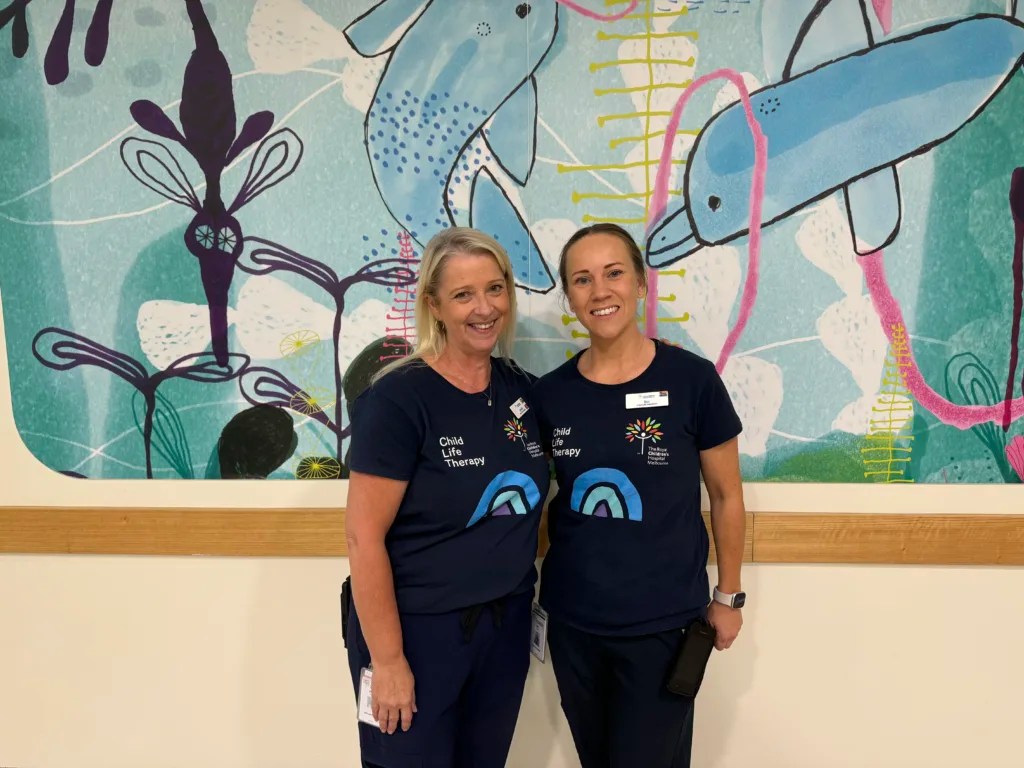
Child Life Therapists at The Royal Children’s Hospital
Sinead Walker, mother of 6 year old RCH patient Charlie, has seen first-hand how CLT can improve a child’s hospital experience.
“The child life therapist came and talked Charlie through the options – about what they could do and the way that they could do it, and spoke through what would happen and why it would happen. It was quite a calming influence.
“It was very reassuring to know that someone was leading us through that process and leading Charlie through it… It was very supportive.
“The little donations probably feel small but actually for us, anything in the hospital that makes life easier is such a huge benefit to us and our kids.”
Beth Dun, Manager of CLT and Music Therapy at the RCH, explains the importance of this program in helping make hospitals a more comfortable environment for children.
“Sometimes a child’s first hospital experience will be the ED. It can be a scary place if they’ve never been before, and one of the things CLT can do is help make it a positive place and experience.”
Beth shared an example of CLT in the ED in action when an eight-year-old boy with autism presented with a foreign body in his ear. With CLT support, the boy and his mother engaged in medical play, introducing them to the removal process. The therapist’s help allowed the clinician to practice on the boy’s mother, and the visual example helped the child cooperate.
Remarkably, the foreign body was removed without sedation, completing the process in just 30 minutes. In contrast, this same scenario without CLT would likely involve a need for restraint and sedation, involving more staff, upsetting the child, and taking up to three hours to recover.
“For example, if a child is distressed, the clinical staff may choose to use something like nitrous to help reduce stress. If the child has nitrous, they have to stay in the hospital until that wears off. The wait times are then so much longer. So we’re hoping that the use of sedation might come down in cases of distress,” Beth said.
This example illustrates how CLT not only enhances patient care but also significantly improves efficiency and cost-effectiveness in the ED. Benefits like improved patient flow and decreased sedation requirements will all contribute to a more positive experience for children and families overall.
Beth and her team are incredibly grateful for the community’s support in making this project a reality.
“Any donation is going to make such a difference to the child’s experience. It’s heartwarming to know that that the community’s behind us and what we do,” she said. “People donating to this cause can be assured that their money is going towards creating more positive experiences for children at The Royal Children’s Hospital.”
Thanks to support from the Victorian community and the Good Friday Appeal, the RCH can expand vital services like CLT, ensuring every child receives compassionate and individualised trauma informed care.
Impact Milestones
2026 Project Update:
Over the past year, this program helped improve experiences and outcomes for children attending the Emergency Department at the RCH in the following ways:
The seven-day-a-week Child Life Therapy service, across 12 hours a day, supported more than 2,000 children in the Emergency Department, with most children under the age of seven.
Two-thirds of support episodes focused on helping children prepare for and cope with medical procedures, including blood tests, cannulas, and wound repairs, while the remaining support addressed emotional and psychosocial needs.
Child Life Therapy helped reduce the need for sedation and physical restraint, with clinicians reporting that procedures were easier or much easier in over 98% of cases, and quicker than expected in most encounters.
Children and families reported feeling calmer, more informed and less anxious, with many describing Child Life Therapy as essential in helping their child cope and avoid more invasive interventions.
Clinicians highlighted improvements in patient flow, safety and overall experience, noting that Child Life Therapy allows children to feel prepared, supported and empowered during their care.
A research study has also been undertaken in the past year and has been submitted for publication. This study demonstrated the reported effectiveness of Child Life Therapy in the Emergency Department. On top of this, two conference papers were presented.
This program demonstrates how child-centred, playful support in the Emergency Department can improve safety, reduce distress and create more positive hospital experiences for children, families and staff alike.
2024
Implementing Child Life Therapy (CLT) in the Emergency Department (ED) service, which includes evening shifts seven days per week, launched in February 2024.
Three brand-new, dedicated Child Life Therapists have officially begun working across the ED.
Since commencement of the service, over 1,900 episodes of care have been delivered.
Everything Good Friday Appeal, straight to your inbox. Get more information about your impact and how to get involved.
Implementing a Vascular Access Specialist Team at the RCH
Thanks to the generosity of the Good Friday Appeal and its supporters, children receiving care at The Royal Children’s Hospital (RCH) will soon be the first in Australia tohave an expert team of specialist nurses providing support with the insertion of peripheral intravenous catheters (PIVCs).
Also known as a cannula or drip, PIVCs are used to deliver life saving medications and fluids to patients across the RCH. Each year, approximately 30,000 PIVCs are inserted at the RCH, making it the hospital’s most common invasive procedure.
For some patients, the trauma of their first PIVC insertion can leave a lasting impact, causing high levels of anxiety and fear. Routine assessments or even simple checks, such as looking at the site, can become distressing triggers for children and young people.
This is where the Vascular Access Specialist Team (VAST) comes in.
Committed to revolutionising paediatric care, the VAST brings together a group of expert clinicians equipped with advanced knowledge and skills in vascular access. Recognising the challenges and trauma faced by young patients, the VAST is dedicated to improving expertise, reducing complications, enhancing staff education, and championing a patient-centred approach to PIVC insertion.
Eloise Borello, a Clinical Nurse Consultant who specialises in vascular access, explained that the project will make an enormous difference in the quality-of-care patients receive.
“Many children who present to the RCH often require urgent medical treatment, and the fastest way to administer the medications and fluids they so vitally need is through a PIVC.
“Whilst PIVCs are common, it can be challenging to insert these devices in children as they have smaller, more fragile veins which are often difficult to see. This becomes even more difficult in children who are critically unwell. No child likes to have a needle inserted, and young children can become very scared and distressed when they need a cannula,” Eloise explained.
“We know that inserting a cannula is one of the scariest procedures for children in hospital. Children and families have told us that the memories of a bad experience can last many years which can impact care in and out of the hospital. We are committed to reducing pain, anxiety and trauma that can be associated with PIVC insertion. The goal of the VAST is to create the best experience possible for children and their families”.
“By ensuring a best practice approach to PIVC insertion, including use of advanced technology like ultrasound guided insertion, by a team of highly skilled clinicians who are experts in the field, the RCH will be at the forefront of care for children and families”.
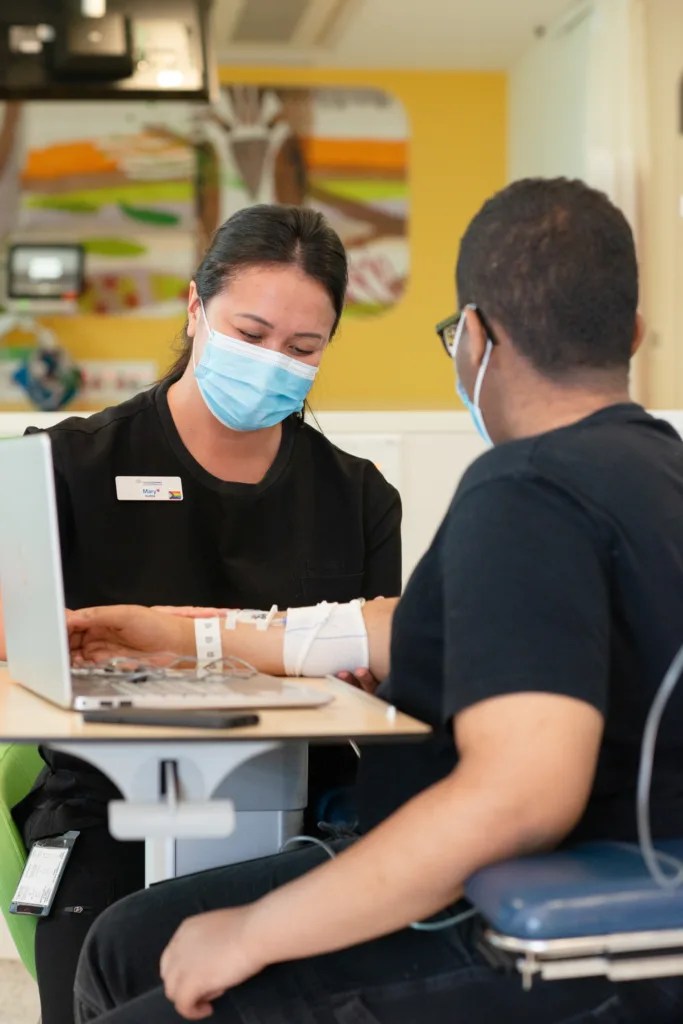
Mary, Associate Unit Manager, Day Medical Unit assessing a patient’s PIVC
While ultrasound guidance is scientifically shown to be the best technique to insert PIVCs, its uptake has not been widespread across most Australian healthcare settings because it takes clinicians months of training and experience to develop the advanced ultrasound skills required.
“The new ultrasound machines, also supported thanks to the Good Friday Appeal and its partners, will be instrumental in allowing us to use ultrasound guidance routinely for PIVC insertion, which is key to the successful outcomes of this treatment.
“Growing a team of nursing experts skilled in the advanced ultrasound techniques will provide children who need this treatment with the best opportunity of having a successful insertion of the PIVC on the first attempt, drastically improving their experience,” said Eloise.
Importantly, the impact of the VAST will reach beyond the four walls of the RCH.
“Our goal is to create a service which includes a team of expert PIVC inserters and educators who will mentor and train junior doctors and nurses in best practice in PIVC insertion. As these clinicians rotate to different hospitals as part of their training, the skills they have developed will benefit children across Australia.
“We will also share our learnings around service design, data and outcomes. This collaboration will expand on the existing relationships the RCH has with our national colleagues and will ensure we cultivate a community of practice where ideas and learnings can be shared, and where implementation of best practice PIVC insertion is spread to all states,” said Eloise.
The introduction of VAST at the RCH will be a turning point for paediatric healthcare in Australia, something that Eloise knows would not be possible without the generosity of the Good Friday Appeal and its supporters.
“We’re so grateful for the community in making this project possible. For our team, receiving this support represents how our community shares in a vision that values improving the experience of treatment in hospital for sick children across Victoria and Australia.
“Your generosity allows us to innovate and develop a service which will be an Australian first in paediatric healthcare, and for that I would like to say thank you,”.
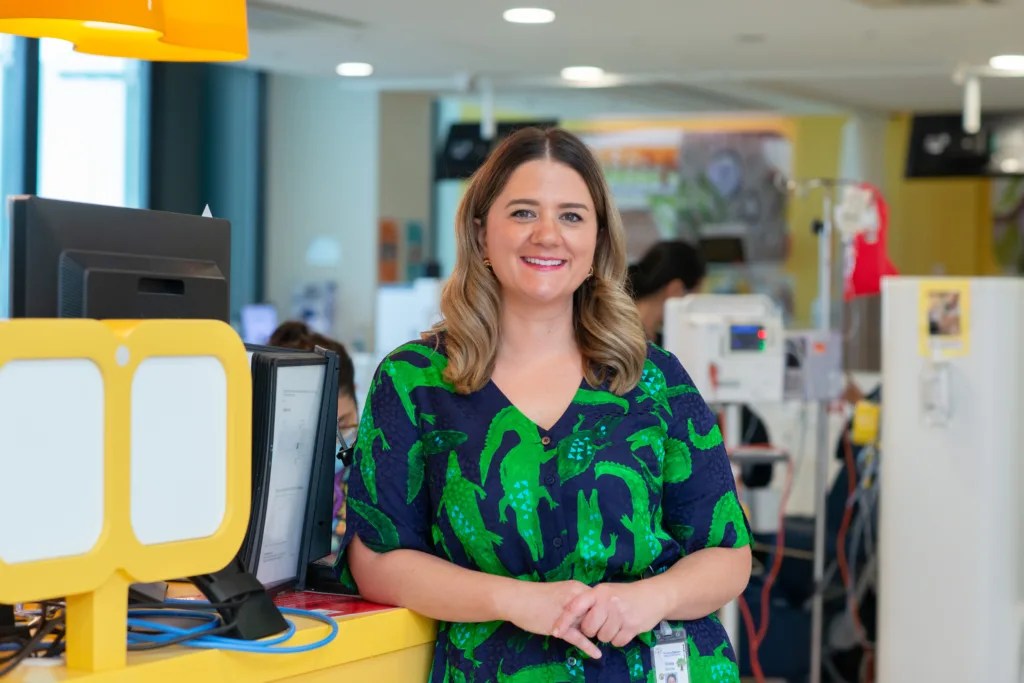
Eloise Borello
Impact Milestones
2025-2026 Update
This work has delivered meaningful improvements to the care experience of children, families and clinicians over the past year.
The pre-implementation phase of this project was completed in February 2025. This meant VAST was able to purchase ultrasound machines, recruit team members, train new nurses in ultrasound-guided PIVC insertion, and collect pre-implementation data.
Now, the project is in its implementation phase, with VAST offering expert support when needed, operating 7 days a week from 8am to 10pm across the hospital.
This service continues to make a profound impact in paediatric healthcare, with VAST leading to less disruption to care and improved care. The implementation of this initiative is an exciting leap forward in paediatric healthcare, with it having the potential to become a national reference point for modelling paediatric vascular access services.
Before the program was fully implemented, 22% of PIVCs failed before end-of-treatment, and only 30% was inserted on the first attempt.
To prove the impact of this initiative, VAST co-designed surveys with a consumer representative and Child Life Therapists, giving children and families a voice.
The survey consists of five questions related to their experience with PIVC insertion. 65 surveys have been completed, with 54% of parents and carers reporting they experienced some distress during PIVCs (before the implementation of VAST).
So, during the implementation phase, the team found that first-insertion success has increased to 51% and that PIVCs are lasting longer. This means a significant reduction in pain, fear, and distress.
These findings also led to an update in PIVC dressing and securement guidelines.
VAST has continued to position the RCH as an industry leader, sharing learnings at the Australian Vascular Access Society Conference.
It is anticipated that VAST will transform and modernise the approach to paediatric vascular access.
The VAST team significantly improves patient, carer and clinician experience by enhancing PIVC insertion and care. Distress reported by parents has halved, and doctors’ confidence as they learn how to insert PIVCs has increased by 50%.
In February 2026, VAST results have demonstrated outstanding levels of care:
first attempt PIVC insertion success doubled
VAST PIVC insertion success is 99%
PIVCs are lasting longer
reduction in PIVC complications
referrals to the anaesthetics team for difficult PIVC insertion dropped by over half.
2024
July: Recruited team leads
October: Recruited VAST nurses. There are 11 VAST nurses in total who will work from 8am – 10pm, seven days a week, across the hospital.
Everything Good Friday Appeal, straight to your inbox. Get more information about your impact and how to get involved.
The Integrated RCH Apheresis service – A Centre of Excellence
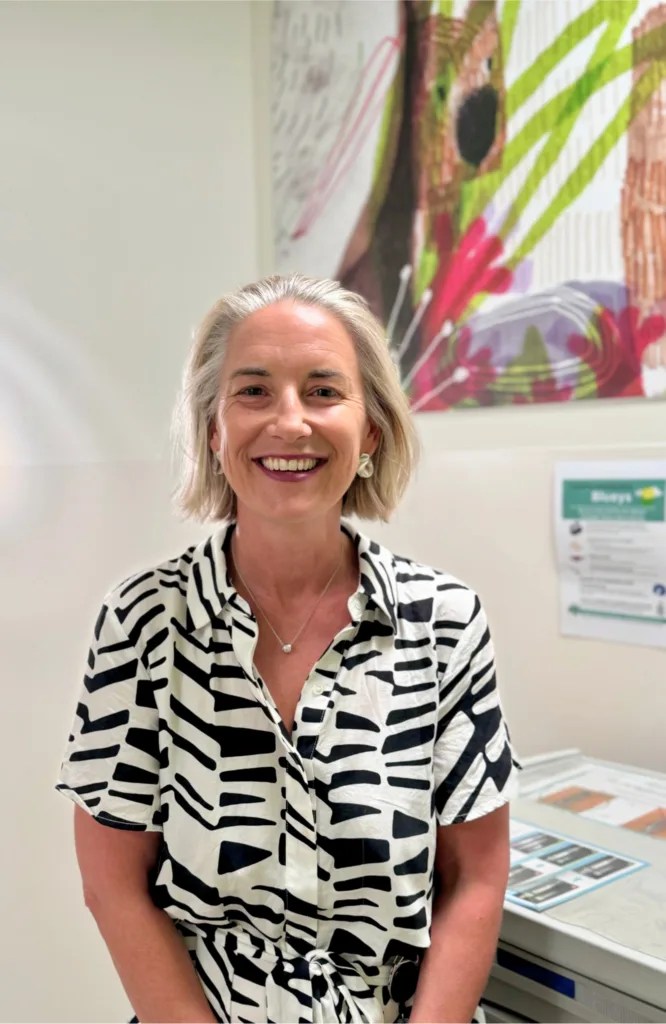
Dr Anthea Greenway, the Head of Clinical Haematology and Clinical Lead for the RCH Apheresis Service, describes apheresis as the process of ‘cleaning or separating the blood.’
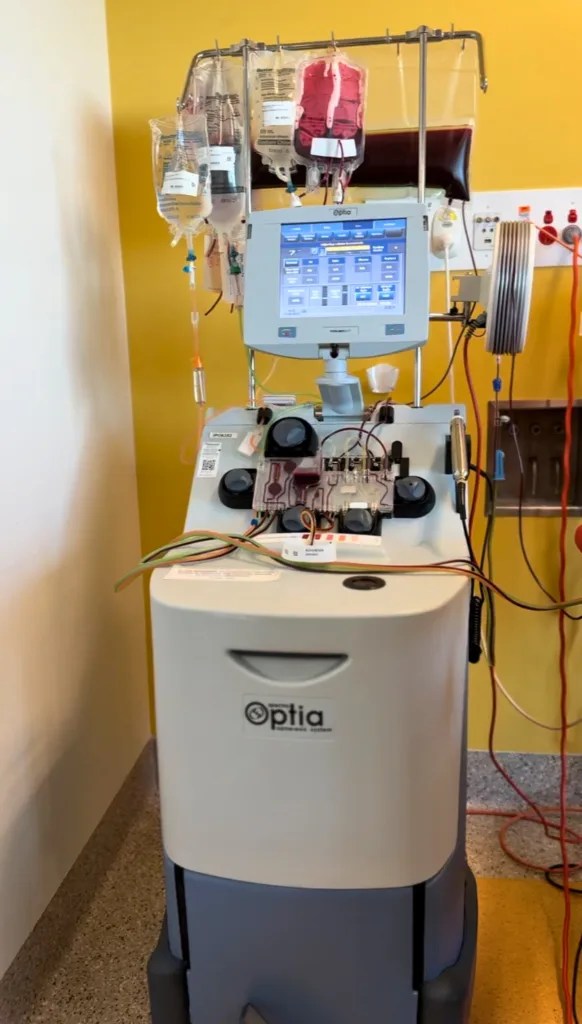
“Basically, we are using a special machine called the Terumo Spectra Optia Apheresis System to separate the blood into its separate components. This machine spins the blood at a rapid speed which helps us to separate it into layers. Each one of those layers of the blood can contribute to how we might look after a patient with a range of different conditions, from cancers or leukaemia and blood disorders to kidney and neurological diseases” Anthea shared.
The Terumo Spectra Optia Apheresis System makes this procedure as efficient and effective as possible. This state-of-the-art device, generously funded by 3AW and the Good Friday Appeal, has allowed clinical staff to further prioritise patient care and treat even more patients.
Terumo Spectra Optia Apheresis System
“One of the incredible things about Apheresis is that we can treat a broad range of conditions, so that’s why the use of Apheresis has continues to grow quickly,” Anthea further explained.
Access to this treatment is vital as it can be used to assist countless patients across the RCH, including those undergoing stem cell transplants, leukaemia treatment and those being treated for sickle cell disease. It can also assist with the management of organ rejection and dysfunction following transplantation and with life threatening kidney and neurological diseases.
“We have set up an interdisciplinary service where we have an amazing group of nursing staff, scientists and clinicians who move across all those different work areas. Together, we share our expertise and medical knowledge so we can provide the best care to our patients,”
Dr Anthea Greenway
“Previously, and in other centres where this is set up as a separated system, it has been challenging to maintain coverage across all disease groups and specialties. It’s also hard to provide in-depth experience and service to make sure we’re giving great care to our patients,” she continued.
This interdisciplinary model is an Australian-first, helping maximise staff expertise and focus on the needs of each child. Additionally, the service is widely recognised for its ability to deliver patient-centred care in the RCH’s Ambulatory Day Medical Centre.
“The Ambulatory Day Centre allows patients to come from the ward or from home to have their treatment. This space offers them a family-friendly environment as it accommodates the parents, offers education, art therapy and more,” Anthea shared.
The outpatient setting of the Ambulatory Day Centre also reduces the need for intensive hospital stays, providing patients with more flexible care.
“The day medical centre allows us to, where appropriate, de-escalate and free up resources for other children that need them. Many of our patients are still coming in and doing schoolwork, therapy and normal kid activities,” Anthea highlighted.
Dr Anthea Greenway
The Apheresis Service is helping save and transform the lives of sick children in a way that was not possible a decade ago.
“Some of my patients were only able to walk with a crutch or couldn’t participate in sport. But once they started this treatment, they have been able to throw away that crutch, perform at a high-level in sports and thrive at school, including completing their exams,” Anthea emphasised.
The Apheresis Service has also been able to address the need for an after-hours service by offering training and education programs that were not previously available in the country. This is helping cultivate a sustainable workforce of dedicated Australian healthcare professionals that can support even more sick children across the country.
“Establishing the Apheresis Service with an emphasis on education, training and quality has been really important in maintaining excellent care for our patients,” Anthea said.
“In a hospital such as the RCH which provides care to all children across Melbourne, regional Victoria and beyond, access to an excellent paediatric apheresis service is critical in ensuring we’re providing the best possible care,” Anthea added.
The RCH’s Apheresis Service is now at the forefront of paediatric excellence. Thanks to the support of the Good Friday Appeal and 3AW, the RCH has been able to provide world-class treatment to sick children and is now better equipped to respond to new developments in healthcare.
“We absolutely appreciate the Good Friday Appeal’s support in this critical endeavour, and it would not have been possible without their help.”