Barwon South West

2026 Funding Update

For 2026, the following will be funded in the Barwon South West region:

Essential Equipment for Newborn and Infant Care – new neonatal equipment, including a modern ventilator, will strengthen the ability of Barwon South West health services to care for the sickest babies. This equipment will support stabilisation and treatment locally, reduce the need for transfers where possible, and improve outcomes for newborns. 

Strengthening Care at Barwon Women’s and Children’s – new specialist equipment will ensure babies and children can receive high-quality care, including roof-mounted pendants in high-acuity areas to improve safety and efficiency, as well as equipment to support paediatric sleep studies.

Building Skills and Capacity Across Barwon South West – investment in education, training and workforce development will help health services across the region respond to the changing needs of children and young people. This includes nursing scholarships, neonatal resuscitation education, and trauma-informed care training. 


Building on the funding from 2025

Barwon Health is the largest service in the Barwon Southwest region, providing tertiary medical care and a comprehensive range of offerings to the community. In 2025 hospital was been able to fund training programs and life-saving equipment, helping advance paediatric healthcare in the area.

  • Education, training, upskilling and capacity building – Funding from the Good Friday Appeal supports education programs, scholarships and specialist training so healthcare staff across the Barwon South West region can continue building their paediatric skills. This investment helps ensure children and young people receive high-quality, person-centred care closer to home.
  • Equipment to enhance service provision closer to home – New paediatric equipment will help hospitals and urgent care centres across the region provide safer, faster and more specialised care locally. This reduces the need for families to travel long distances and allows more children to be treated within their own community.
  • Improving care and service provision – A dedicated service improvement role will support health services to work more closely together and strengthen care pathways for children and families. This helps deliver more coordinated, evidence-based care and improves access to services across the entire region.

Building on the funding from 2024

Barwon Health is the largest service in the Barwon Southwest region, providing tertiary medical care and a comprehensive range of offerings to the community. Thanks to the Good Friday Appeal, the hospital has been able to fund training programs and life-saving equipment, helping advance paediatric healthcare in the area.  

  • Support for eating disorders – Responding to a surge in eating disorders and mental health admissions, which has continued since COVID-19, training will further develop the skills of paediatric nursing staff. It has also supported refurbishments in the hospital’s Children’s Ward to enable group activities for eating disorder patients and nurses have been able to enroll in postgraduate study, short courses, and attend conferences.
  • Neonatal resuscitation – Purchase of mannequins and training licenses in relation to neonatal resuscitation, which has expanded their capacity to deliver essential training programs and provide excellent care. Not only has this made a difference for staff in Geelong, but it has also helped to upskill teams across the region, including in Warrnambool and Colac.
  • Scholarships and training: Provided the hospital’s clinical staff access to scholarships and short courses, supporting point of care ultrasound training, empowering staff to help improve patient experience and reduce their exposure to radiation.

Thanks to our partnership with the Royal Children’s Hospital Good Friday Appeal, Barwon Health has enhanced the care we provide to children and their families, ensuring our Barwon South West community has access to local treatment and care,”

Francer Diver, Barwon Health Chief Executive.

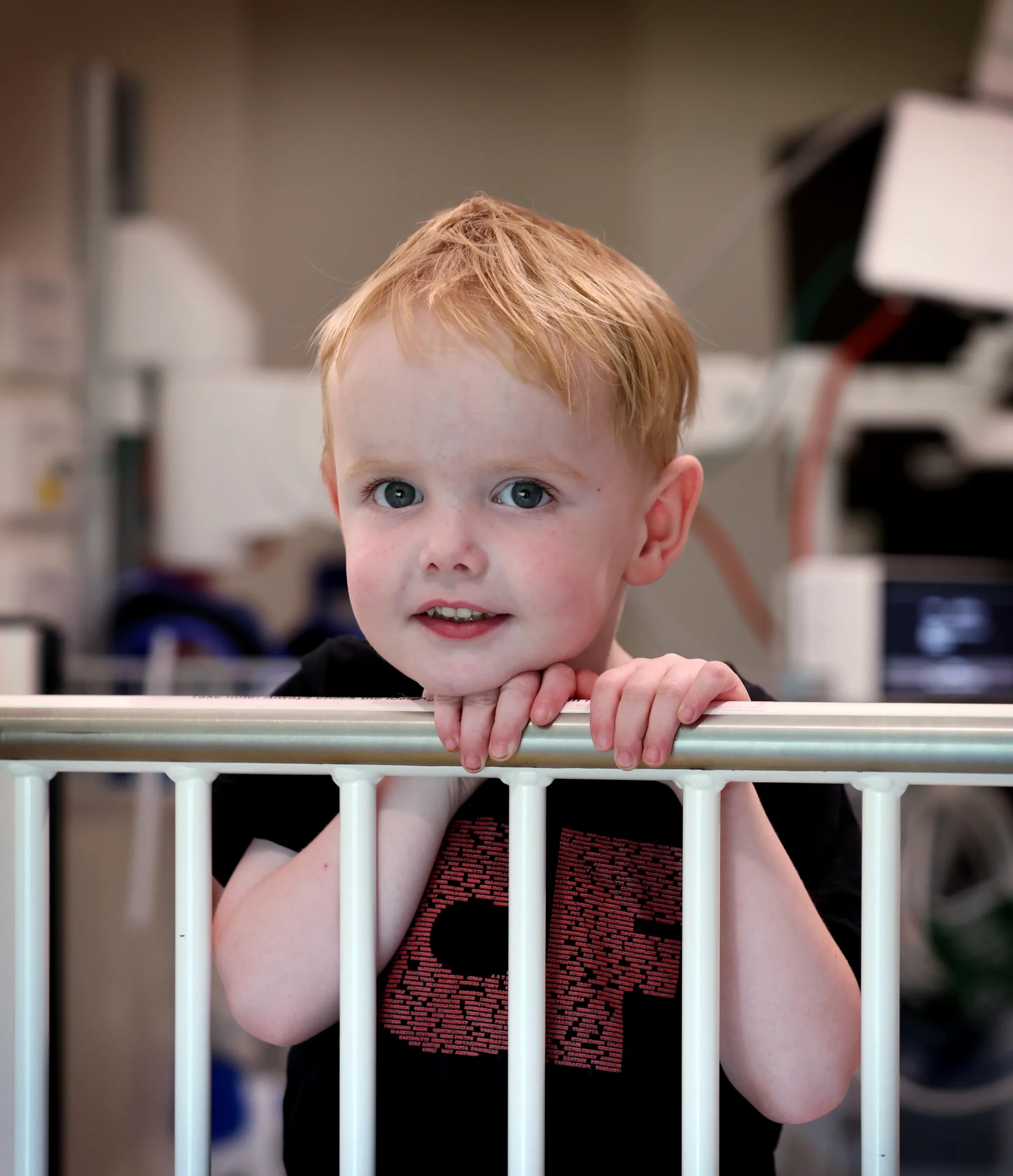
How Tedi born at just 600g defied the odds to survive

Born at 23 weeks, little Tedi from Barwon South West underwent multiple surgeries and died “a few times” – but he defied all the odds and is now living his best life.

Our Newsletter

Everything Good Friday Appeal, straight to your inbox. Get more information about your impact and how to get involved.

Grampians

2026 Funding Update

For 2026, the following will be funded in the Grampians region:

Patient Family Accommodation – contribute to the creation of a designated patient family accommodation room, as part of its wider facility. Each room within the facility will be offered at no or low cost, helping to reduce financial and emotional burden for families travelling for care.

Allied Health Equipment, Training, and Assessment Tools – providing resources, mobile technology, and training to support allied health teams (OT, Speech Pathology, Physiotherapy, Psychology, Dietetics) to deliver care both remotely and in patients’ homes, improving access and workforce retention.

Advancing Care Through Cutting-Edge Equipment – purchase of four specialised pieces of equipment, including a neonatal resuscitation cot, resuscitation mannequin, infant hip examiner trainer, and VR device for paediatric procedures, to upskill staff and improve patient experience across the region.

Paediatric Skills Uplift Training – delivery of in-person and digital multidisciplinary training programs to consolidate staff skills across the Grampians region, support paediatric workforce capacity, meet annual training requirements, and improve care outcomes for children and families.


Building on the funding from 2025

Grampians Health is the largest regional referral health service in western Victoria, providing comprehensive care to a population of more than 250,000 people across areas ranging from Bacchus Marsh through to the South Australian border. Grampians Health requires new life-saving and state-of-the-art equipment.

  • Inclusive Adventure Play Space at Patient Family Accommodation – Located on-site, the play area will be thoughtfully designed to be accessible for children of all abilities. Featuring natural materials like logs and stones and centred around a large existing tree transformed into a treehouse, this sensory-rich environment will promote creativity, motor skill development, problem-solving, and self-directed play.
  • Multidisciplinary Paediatric Skills Uplift – This training will cover online paediatric resuscitation courses supplemented by in-person sessions, simulation exercises with culturally diverse mannequins, and tailored education programs for specific communities, supported by mobile simulation units and paediatric specialists. It will also up-skill educators and multidisciplinary staff to deliver the latest evidence-based paediatric care consistently throughout the region.
  • Delivery of world-leading paediatric equipment for newborns – Ballarat Base Hospital’s Special Care Nursery and Outpatient Clinic will receive nine new breastfeeding chairs – vital equipment that delivers world-class care for vulnerable newborns. Funding support from the Good Friday Appeal will also the purchase of additional paediatric-specific equipment, including the purchase of five specialised cots that ensure the safety of newborns and three phototherapy units to better treat newborns with moderate to severe jaundice.

Building on the funding from 2024

Grampians Health is the largest regional referral health service in western Victoria, providing comprehensive care to a population of more than 250,000 people across areas ranging from Bacchus Marsh through to the South Australian border. The hospital was able to elevate their paediatric services with the purchase of life-saving and state-of-the-art equipment, thanks to the Good Friday Appeal.  

  • Infant Resuscitator Cots x 4 – from premature births and labour complications, to low birth-weight babies or those that are very unwell, there are many reasons babies require resuscitator cots, which provide critical breathing support. They are used in the Maternity Unit and Special Care Nursery and in clinical emergencies in the Emergency Department and the Operating Theatre. These devices come fully equipped with life-saving features such as a heat lamp, autobreath and an in-built oximeter. With battery back-up, these cots also allow the safe transportation of critically ill babies to the RCH if required.
    .
  • Maternal Ultrasound x 2 – Purchased two maternal ultrasound machines to allow more complex scans to be carried out. These devices are used over 1,000 times each month and help to identify high-risk pregnancies or any fetal abnormalities as early as possible. This has had a remarkable impact on regional families, ensuring that babies can be delivered safely and as close to home as possible.
    .
  • Paediatric Anaesthesia machines – supporting surgical procedures across the service. These high performing machines will maximise productivity in the operating theatre, and importantly, will help future-proof the hospital’s electronic medical record integration by standardising patient monitoring.

    “This generous grant from the Good Friday Appeal has helped us transform the pre- and post-natal care we provide to the families of Western Victoria. Our new equipment ensures the babies born in our community receive the best possible start in life, close to home,”


    Dale Fraser, Grampians Health Chief Executive Officer.


    Regional boost a game-changer for Ollie

    It’s the routine heel prick test given to every newborn, but for Ollie Robertson’s parents it delivered the shock of their life. The brave boy from Ballarat was three weeks old when Mel and Peter Robertson were told he had cystic fibrosis.

    Our Newsletter

    Everything Good Friday Appeal, straight to your inbox. Get more information about your impact and how to get involved.

    London Mallee

    2026 Funding Update

    For 2026, the following will be funded in the Loddon Mallee region:

    Early Support for Kids in Bendigo – a new Allied Health-led triage service and post-diagnosis navigator will help children with learning and behavioural challenges get the right assessments and therapy sooner, and closer to home. Families will also get support navigating healthcare and NDIS services.

    Helping Families Navigate Care in Castlemaine (Dhelkaya Health)– expansion of the local paediatric clinic to include a care coordinator and a child psychologist. This will make it easier for families to organise appointments, get timely assessments, and access mental health support close to home.

    Family-Friendly Spaces at Echuca – maternity rooms will get eight chairs that convert to beds so partners can stay overnight, and a courtyard will be transformed into a safe, child-friendly play space for families visiting the hospital.

    Bringing Paediatric Care Closer in Mildura – a new Outreach Hub will bring paediatricians, allied health, and family support services together in one location, making it easier for children and families, especially those from Indigenous, rural or disadvantaged communities, to access care locally.

    Telehealth and Multidisciplinary Paediatric Services in Swan Hill – continued support for a paediatric nurse-led clinic offering telehealth appointments with specialist paediatricians, plus a lead clinician coordinating care for at-risk and premature infants. Families get timely, joined-up care without always needing to travel far.


    Building on the funding from 2025

    The Loddon Mallee Health Network provides a wide range of healthcare services to support the health and wellbeing of children and families across the region. With around 80,000 residents under the age of 18, the network addresses a diverse set of health needs through paediatric medical and surgical clinics, rehabilitation programs, and early childhood services such as kindergarten and childcare programs.

    • A coordinated multidisciplinary approach for babies, children & adolescents with development delays and features of neurodiversity – Innovative and tailored models of care will be implemented across these five health services, covering assessment, triaging, and management of care for children and young people. These models will also offer early intervention in local, accessible settings – helping children and their families avoid the need for long-distance travel to metropolitan areas of critical care. This project will also support the development and enhancement of therapeutic spaces across the region, creating welcoming, collaborative environments that prioritise the wellbeing of children, young people and their families.
    • Dhelkaya Health – will pilot a localised project aimed at strengthening paediatric assessment, triage, and early intervention services for the Castlemaine community and surrounding areas. 
    • Bendigo Health – will implement a virtual triaging and intake model designed to ensure that children with developmental concerns are connected to the right services in a timely and efficient manner. This will be based on the RCH’s successful Stepped Care model but tailored to meet the specific needs and demands of the Bendigo region.
    • Swan Hill District Health – will establish a Paediatric Nurse-led clinic with wrap-around services, including a telehealth consultations service with local paediatricians, to ensure a holistic approach to care. This will provide support and expertise to both local and remote children and their families in the Swan Hill region who require specialist paediatric care, without the significant strain of travel. The Swan Hill district will also benefit from an enhanced care pathway for at-risk infants, particularly those born prematurely, through a dedicated Clinical Lead resource for the Allied Health Prematurity Clinic. This role will facilitate early engagement with families, ensuring that at-risk infants are promptly connected with the appropriate care, clinicians, and support throughout the critical early years of life. 
    • Mildura Base Public Hospital – will implement an innovative outreach hub that will bring together will serve as a central point and ‘one-stop-shop’ for a wide range of services, ensuring that children, young people, and their families in the Mildura area can receive holistic care in one convenient location. This model will focus on the diverse needs of families, especially those from vulnerable or disadvantaged backgrounds.
    • Echuca Regional Health – will improve its neonatal services, providing high-quality, locally accessible neonatal care closer to home. This will see the purchase of specialised equipment, including three phototherapy units to treat jaundice in newborns, three vital signs monitors to support better newborn care, and one resuscitaire to assist with newborn resuscitation. This upgrade will be of particular importance for First Nations women and families, as it facilitates the ability to birth on country and fosters a more culturally appropriate and supportive birthing experience for these communities. 

    Building on the funding from 2024

    Bendigo Health is a leading regional healthcare service, providing exceptional care to the Loddon Mallee region – an area that covers a quarter of the size of Victoria. The hospital was also be able to provide additional services for the increasing number of paediatric outpatients and admissions.

    • Paediatric rehabilitation playspace – a new outdoor rehabilitation playspace giving sick children, young people and their families a space that fosters connection, learning and healing. The calming effects of this nature-based playground are vital for more than 100 patients treated by the hospital’s rehabilitation team at any one time.
    • Training and education – Funded two vital positions across the areas of allied health and nursing and provided senior hospital staff with realistic simulation training to help boost retention, attract new staff and ensure paediatric excellence continues to be delivered across the region.

    “These important funds will significantly enhance Bendigo Health’s paediatric care, with the appointment of two paediatric nurse educators in allied health and nursing. Additionally, we’ve upskilled our staff through paediatric simulation programs and patient assessment workshops.

    In 2024, thanks to the support of the Good Friday Appeal, we reached our fundraising goal for the all-abilities paediatric play space. We look forward to being able to utilise this play space soon,


    Eileen Hannagan, Bendigo Health Chief Executive Officer.


    Resilient Dom beats the odds

    After 24 appointments in the past 12 months, Mickey and Hayden Davies know the road from their Warragul home to the Royal Children’s Hospital all too well. Maisie needed regular treatment at the hospital for a rare condition called lymphatic malformation.

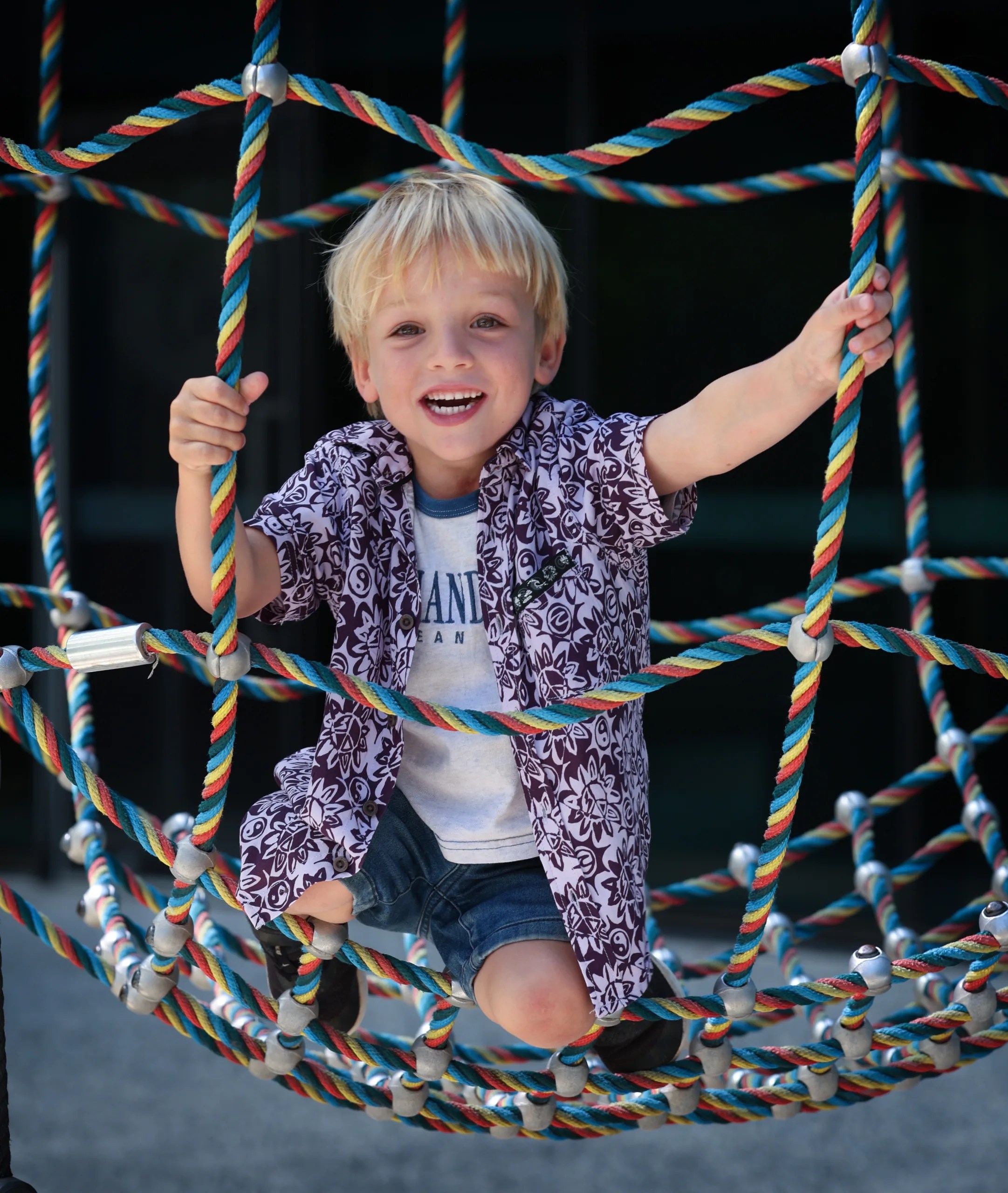
    Dominic from Bendigo

    Our Newsletter

    Everything Good Friday Appeal, straight to your inbox. Get more information about your impact and how to get involved.

    Hume

    2026 Funding Update

    For 2026, the following will be funded in the Hume region:

    Expanding Paediatric Outpatient Services in Albury Wodonga – a three-year staged plan to grow paediatric outpatient services will reduce the need for families to travel long distances. New outpatient clinics, telehealth options, and targeted equipment will help children access care locally. The project also focuses on building staff skills and confidence to provide high-quality, sustainable paediatric care across the region.

    Newborn and Maternity Equipment for Northeast Health Wangaratta – new neonatal and maternity equipment, including jaundice meters, newborn scales, breast pumps, anaesthesia technology, isolettes and humidification systems, will improve monitoring and care for babies. Targeted onsite staff training will also strengthen the recognition and response to acutely unwell children, improving outcomes for newborns and their families.

    Paediatric Training and Emergency Support in Goulburn Valley – staff will complete Advanced Paediatric Life Support and PIPER emergency training to improve care for critically ill children. Additionally, the purchase of vein finders will make IV insertion quicker and less stressful for children, and a Paediatric Nurse Practitioner in the Emergency Department will provide timely assessment and care coordination.


    Building on the funding from 2025

    The Hume Region, covering 14 local government areas and home to over 360,000 people, is supported by 15 public health services operating across 22 sites. These services work together through the Hume Health Service Partnership (HSP), a collaborative initiative aimed at improving access to care, enhancing quality and safety, and reducing duplication across the healthcare system. 

    More than 5,000 children are admitted to hospital each year for acute care, with the majority of complex cases managed by Albury Wodonga Health, Goulburn Valley Health, and Northeast Health Wangaratta. These hospitals provide both emergency and inpatient paediatric services, making them central to the delivery of children’s healthcare across Hume.

    • Piper Paediatric first response and Paediatric advanced life support (PALS) education program – This program roll-out will benefit all 15 health services in Hume and will ensure access to standardised paediatric training that delivers a consistent and high-quality care experience for babies, children and their families across the region.
    • Albury Wodonga Health: Enhancing Regional Paediatric Care Program – This funding will enhance local expertise through the Advanced Paediatric Life Support (APLS) training and education for doctors and nurses, including up-skilling anaesthetists and regional GP’s, and specialised nursing education in areas such as paediatric intensive care, stoma care, bladder conditions, diabetes, and eating disorders.
    • Goulburn Valley Health: Providing world-leading equipment for paediatric care – The purchase of new equipment, including six new fit-for-purpose cots and a digital baby stadiometer for children with asthma, will further support the delivery of safe and high-quality care for children and young people at GV Health. Funding will also support the purchase of equipment to deliver less invasive treatments, including paediatric-specific equipment, to improve and tailor the care experience for children and young people.
    • Northeast Health Wangaratta: Education – Funding to upgrade the physical environment and deliver an improved paediatric-friendly experience for patients and their families. 
    • Newborn babies, especially those who are premature or ill, will also benefit from the purchase of an infant transport incubator – a vital piece of equipment providing controlled environment care to unwell infants. 

    Building on the funding from 2024

    Albury Wodonga Health (AWH) – Hume region AAWH provides care to over 400,000 people across the region. The hospital strives to provide children and young people with the best quality care, as close to home as possible and making high-quality paediatric care for the community more accessible than ever.

    • State-of-the-art medical equipment: purchase syringe drivers, vital sign monitors, transport incubators and ultrasound machines, allowing for critical tests to be conducted locally.
    • Established a brand-new paediatric hospital-in-the-home program: The Paediatrics At The Child’s Home Program (PATCH) has commenced, with ongoing training and upskilling to occur throughout the year, further enhancing the service.

    Goulburn Valley Health (GVH) is the main referral health service for the Goulburn Valley, caring for communities across Greater Shepparton through to the Moira and Strathbogie Shires.
    Funding has enabled children to receive highly-specialised, life-saving respiratory care within the Goulburn Valley for the first time, thanks to new equipment and training.

    • Strengthening nursing care in the emergency department – cover two paediatric emergency nurse practitioner roles for the Emergency Department to help coordinate the assessment and care of sick babies and children.
    • Hospital in the home: broaden the capability of its hospital-in-the-home service, offering relevant training and new employment opportunities. This will ensure that clinicians can care for children with complex needs outside a hospital environment, and as close to home as possible.
    • Scholarships: empowering GVH’s current nursing workforce with two post-graduate nursing scholarships.

    “Thanks to the Good Friday Appeal’s generosity, GV Health has been able to hire a dedicated nurse practitioner candidate for the Shepparton Hospital’s Emergency Department, with recruitment underway for another, as well as support postgraduate nursing scholarships and upskilling of staff delivering Hospital in the Home care.

    These initiatives will help to ensure clinicians can care for children largely outside a hospital environment, and closer to children’s homes, thereby improving health and wellbeing outcomes in our region. We appreciate and thank the Good Friday Appeal for this significant support,”


    Matt Sharp, Goulburn Valley Health Chief Executive.

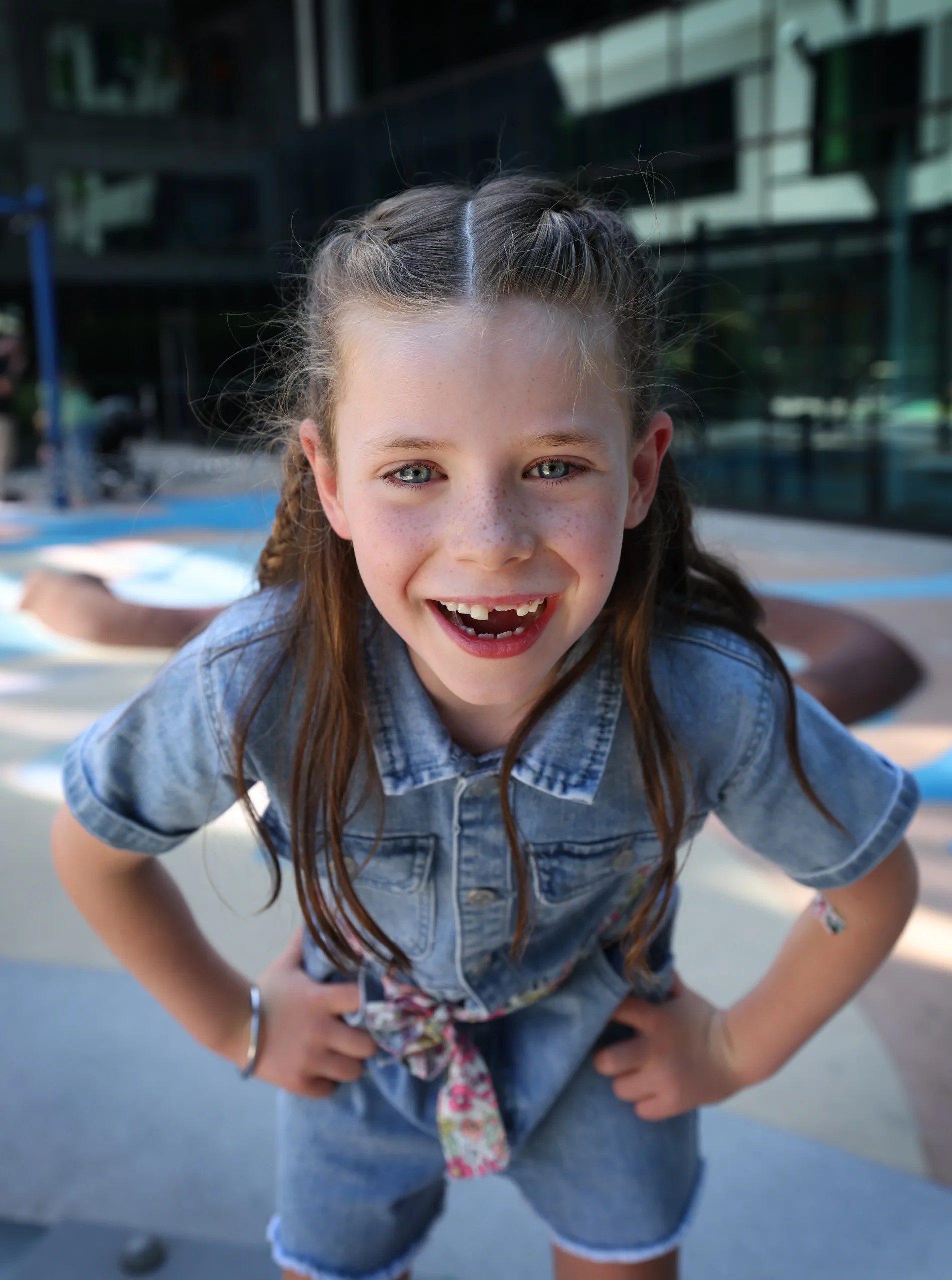
    Ava has been a patient at the Royal Children’s Hospital since she was a newborn

    Ava, from Numurkah in the Goulburn Valley, was born with a genetic condition called maple syrup urine disease that is so rare it affects only one in 150,000 children. She must follow a strict low-protein diet for life: no meat, no dairy, limited gluten.

    Our Newsletter

    Everything Good Friday Appeal, straight to your inbox. Get more information about your impact and how to get involved.
    Gippsland

    2026 Funding Update

    For 2026, the following will be funded in the Gippsland region:

    Strengthening Neonatal Skills in Sale – Central Gippsland Health Service will enhance neonatal care by providing hands-on training and simulation for paediatricians. Staff will complete neonatal resuscitation courses, supported by online modules, and practice with a neonatal intubation mannequin.

    Regional Eating Disorder Clinic – a new multidisciplinary eating disorder clinic will be established at Central Gippsland Health Service. Bringing together paediatricians, dietitians, social workers, and physiotherapists, the clinic will provide children and adolescents with timely, coordinated care. It will also support training for clinicians to identify and manage eating disorders earlier.

    Paediatric Telehealth for Emergencies – a dedicated telehealth station, including the ability to do video consultations, at Sale hospital – providing children with real-time access to specialist paediatric advice during emergencies.

    Enhanced Telehealth Access Across Gippsland – new mobile video consultation equipment to make telehealth more interactive and family-friendly.

    Culturally Safe Resources for Aboriginal Families – Gippsland Southern Health Service will co-design a suite of culturally appropriate resources for Aboriginal children and families. These tools, ranging from storybooks to digital yarning tools, will help improve cultural safety, build trust, and encourage earlier engagement with health services.

    Paediatric ENT Surgery Improvements in Latrobe – an ENT microscope to increase access to ear, nose, and throat procedures for children, including making surgery more efficient and improving access to care closer to home.

    Gippsland Paediatric Partnership Program – West Gippsland Healthcare Group will lead the Gippsland Paediatric Partnership Program, connecting regional health services with tertiary hospitals in Melbourne. The program will support standardised, high-quality care, provide mentoring and training for clinicians, and improve the management of acutely unwell children across the region.


    Building on the funding from 2025

    In 2025, the Good Friday Appeal funding provided to the Gippsland region was spread across seven health services. Health services across Gippsland received funding for essential training and new equipment that will enable babies, children and young people to receive high-quality care closer to home.

    • Bairnsdale Regional Health Service (BRHS) – upgrade its maternity and newborn care to better support babies needing urgent medical attention. New critical emergency equipment this funding will support includes a modern transport incubator to replace outdated equipment, and neonatal high flow therapy systems to help babies under 3kg breathe more easily with humidified oxygen. A new portable monitoring unit will also allow staff to closely track a baby’s vital signs during emergency resuscitation and transfer.
    • Central Gippsland Health – will be supported to provide better paediatric care to newborns with this funding supporting a new ATOM Infant Warmer – a critical piece of equipment that helps regulate and maintain the body temperature of newborn infants following c-sections and for babies born prematurely or requiring specialised care. 
    • Gippsland Southern Health Service (GSHS) – will see several initiatives implemented to safeguard and elevate service provided to children and young people in the area. This will support the delivery of upgraded equipment and technology to allow an improved virtual consultations experience for patients and their families. Education and training will also be provided to upskill staff in delivering innovative programs for children and young people focused on improving their mental health and wellbeing. Enhancements will also be made to paediatric therapy spaces to support a sensory and welcoming experience for children and their families receiving care at GSHS. 
    • Latrobe Regional Hospital (LRH) – will receive funding to access vital education and training in a local setting that, enhancing their regional healthcare expertise and equipping staff with essential and advanced neonatal resuscitation skills and knowledge. The Paediatric Waiting Room in the Emergency Department at LRH will also benefit from an upgrade – creating a more welcoming, calming, sensory and positive experience for children and young people entering ED. The hospital will also receive funding to purchase vital paediatric-specific equipment for their Operating Theatre. This will include infusion pumps that will help to deliver fluids and medications to maintain anaesthesia to children and young people in a controlled and safe manner; and a paediatric ultrasound probe that will ensure that the process of accessing a child or young person’s bloodstream via vein entry is improved, minimises pain and discomfort, and is delivered with greater success.   
    • Omeo District Health (ODH) – will be improved with thanks to funding of a state-of-the-art mobile X-ray machine and staff training in radiographic imagining and trauma management. Access to local imaging will enable rapid diagnosis, treatment and appropriate referrals for children experiencing injuries. 
    • South Gippsland Hospital (SGH) – will be enhanced with the purchase of an adjustable, portable baby bath – providing family-centred care and allowing new parents the opportunity to comfortably learn how to bath their baby during their hospital stay. Additionally, staff at SGH will be provided with further education and equipment to help build their capability and confidence in performing needle procedures that administer life-saving medications and fluids. 
    • West Gippsland Healthcare Group – will support education and training to upskill their nursing workforce, ensuring that their service is meeting the care needs of children, young people and their families within the community. This funding will support the roll-out of four post-graduate scholarships and a Clinical Nurse Educator to assist students, coordinate clinical placements, and develop an educational framework. 

    Building on the funding from 2024

    Latrobe Regional Health (LRH) provides specialist health services to the region of Gippsland, caring for a population of over 300,000. Recently, LRH has seen a significant increase in paediatric presentations, and through the Good Friday Appeal’s funding, it has been able to strengthen their commitment to bringing care closer to home.

    • Neurodevelopmental clinic – set to open in March 2025, will promote accessible and affordable care, providing personalised treatment plans to children up to two years old. It will be staffed by a multidisciplinary team who, through this funding, have each received specialist training focused on mitigating developmental delays.
    • Purchase of RETCAM (retinal scanning camera, neonatal) – by taking digital photos of the structures inside the eye, RETCAMs allow clinicians to scan for and manage eye disease, the system can help prevent retinopathy of prematurity; a treatable sight-threatening condition found in prematurely born infants. Purchasing a RETCAM for the region, and providing training to use it, will not only save children travelling long distances for regular testing, but will also increase regional capacity and reduce waiting times for patients. This equipment was also purchased in 2023 for the RCH, with both pieces of equipment being funded by Cadbury.
    • Education and training – Beyond the clinic, funding is supporting the provision of high-level education and training to staff across the hospital, especially within the Emergency Department, through the purchase of brand-new simulation equipment. This funding is also allowing hospital staff to undertake dedicated study days at The Royal Children’s Hospital, enabling staff to elevate their knowledge and skills to improve care and health outcomes for patients in the region.

    “This clinic will be staffed by a multidisciplinary team who, through this funding, have each received specialist training focused on mitigating developmental delays. The clinic, set to open in March 2025, will promote accessible and affordable person-centred car, providing personalised treatment plans for children up to two years old.”


    Don McRae, Latrobe Regional Health Chief Executive Officer.

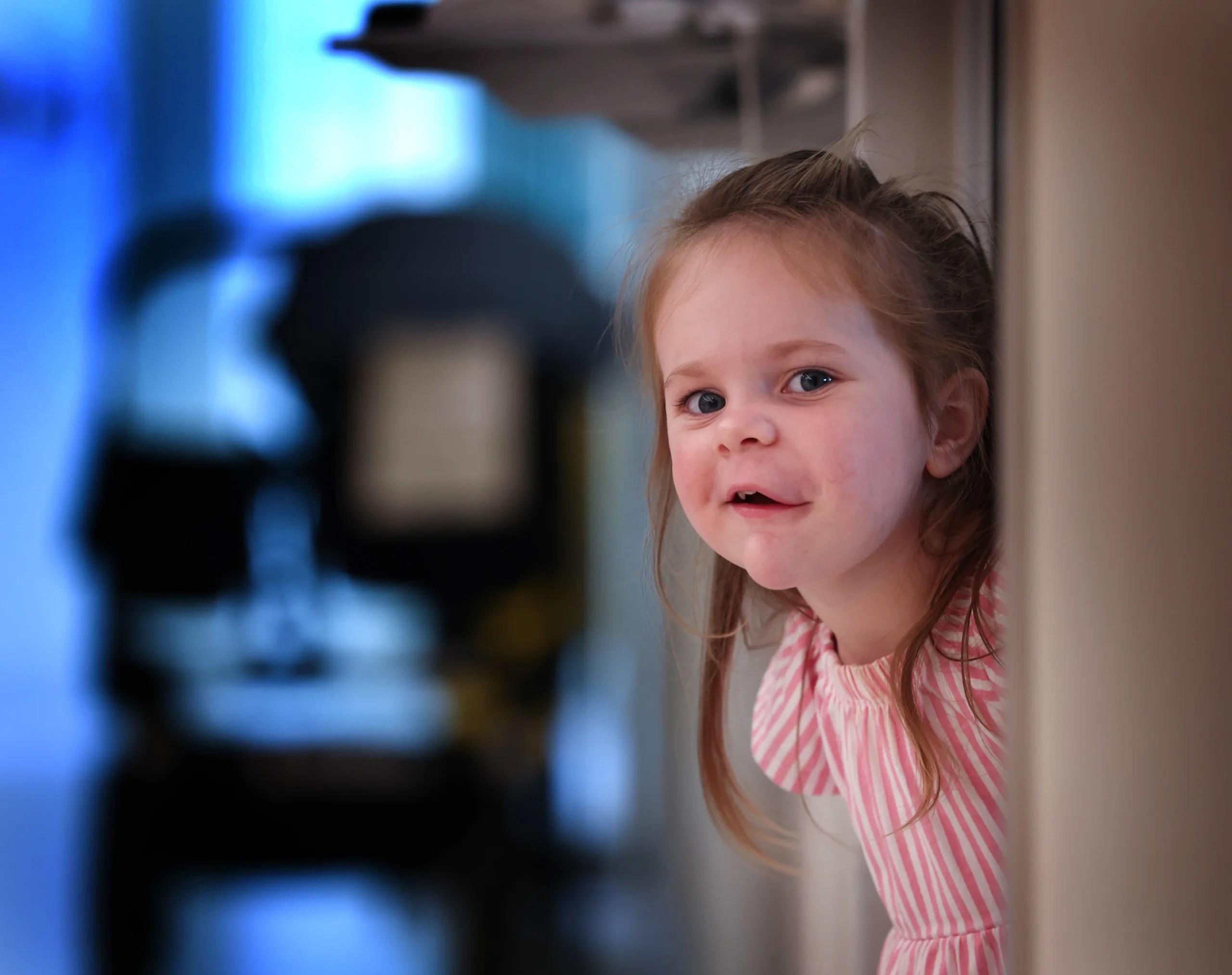
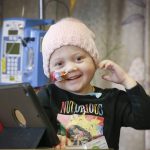
    Maisie’s doing the hard yards with a smile

    After 24 appointments in the past 12 months, Mickey and Hayden Davies know the road from their Warragul home to the Royal Children’s Hospital all too well. Maisie needs regular treatment at the hospital for a rare condition called lymphatic malformation.

    Our Newsletter

    Everything Good Friday Appeal, straight to your inbox. Get more information about your impact and how to get involved.