Skip to content
Good Friday Appeal Logo
  • Your Impact
    • Research
    • Equipment and Technology
    • Education and Training
    • Patient and Family Centred Care
    • Regional Victoria Funding
  • Stories
    • Stories
    • Share Your Story
  • Fundraise
    • Fundraise For Us
    • Fundraising Resources
    • Schools Fundraising
    • Regional Support
    • Regional Victoria Funding
    • Regional Tally Board
    • Metropolitan Collection Groups
  • Get Involved
    • Ways to Get Involved
    • Run for the Kids
    • Premiership Posters
    • Kids Day Out
    • Events
    • Good Friday Giving
  • About
    • FAQs
    • Contact us
    • About Us
    • Funds raised year by year
    • Our history
    • Our partners and supporters
    • Our Ambassadors
    • Our Suppliers
    • Our Team
    • News
    • Volunteer
    • Login
  • Shop
Search DONATE Open menu
Close Search

Inspirational Isla

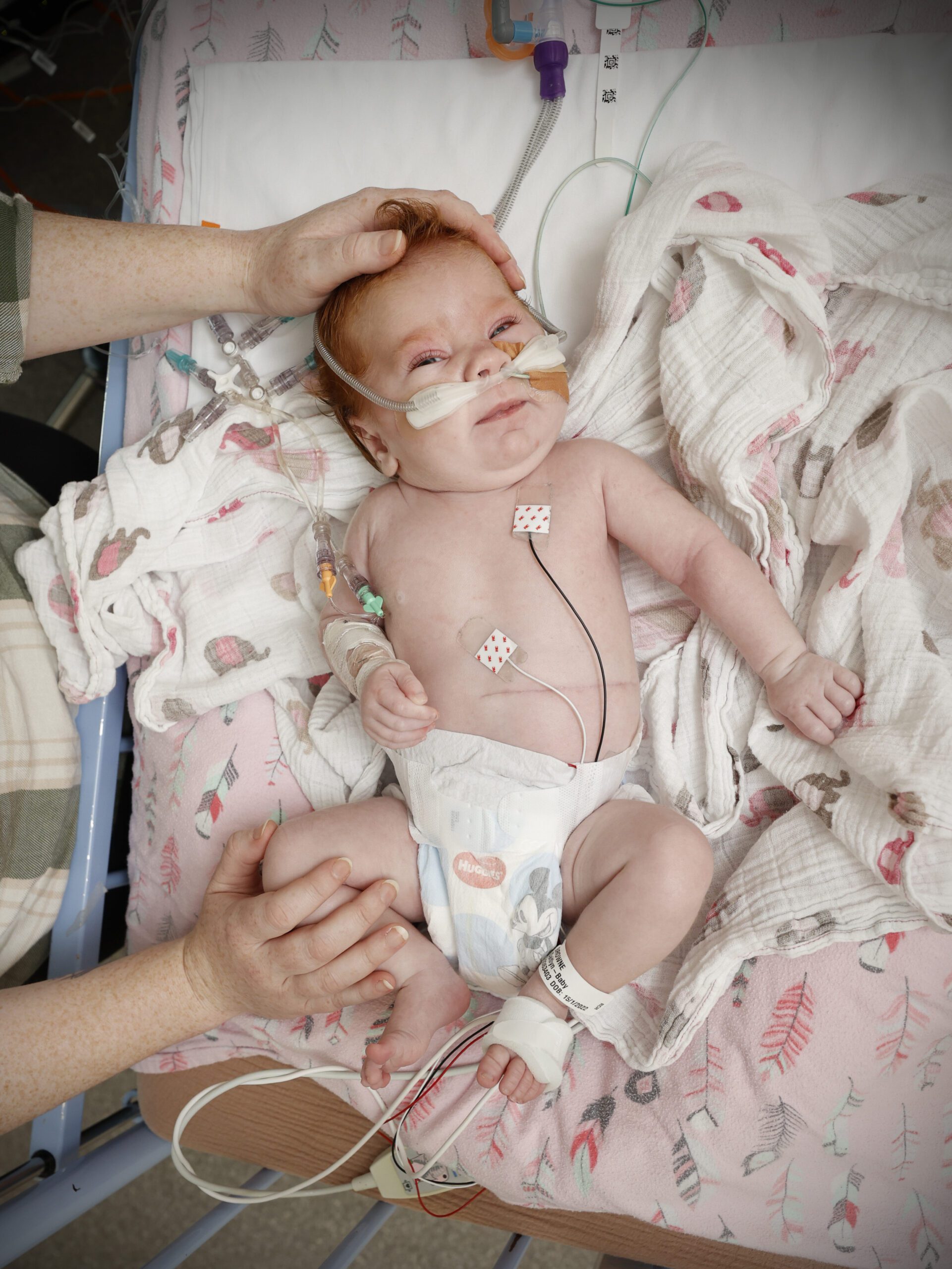
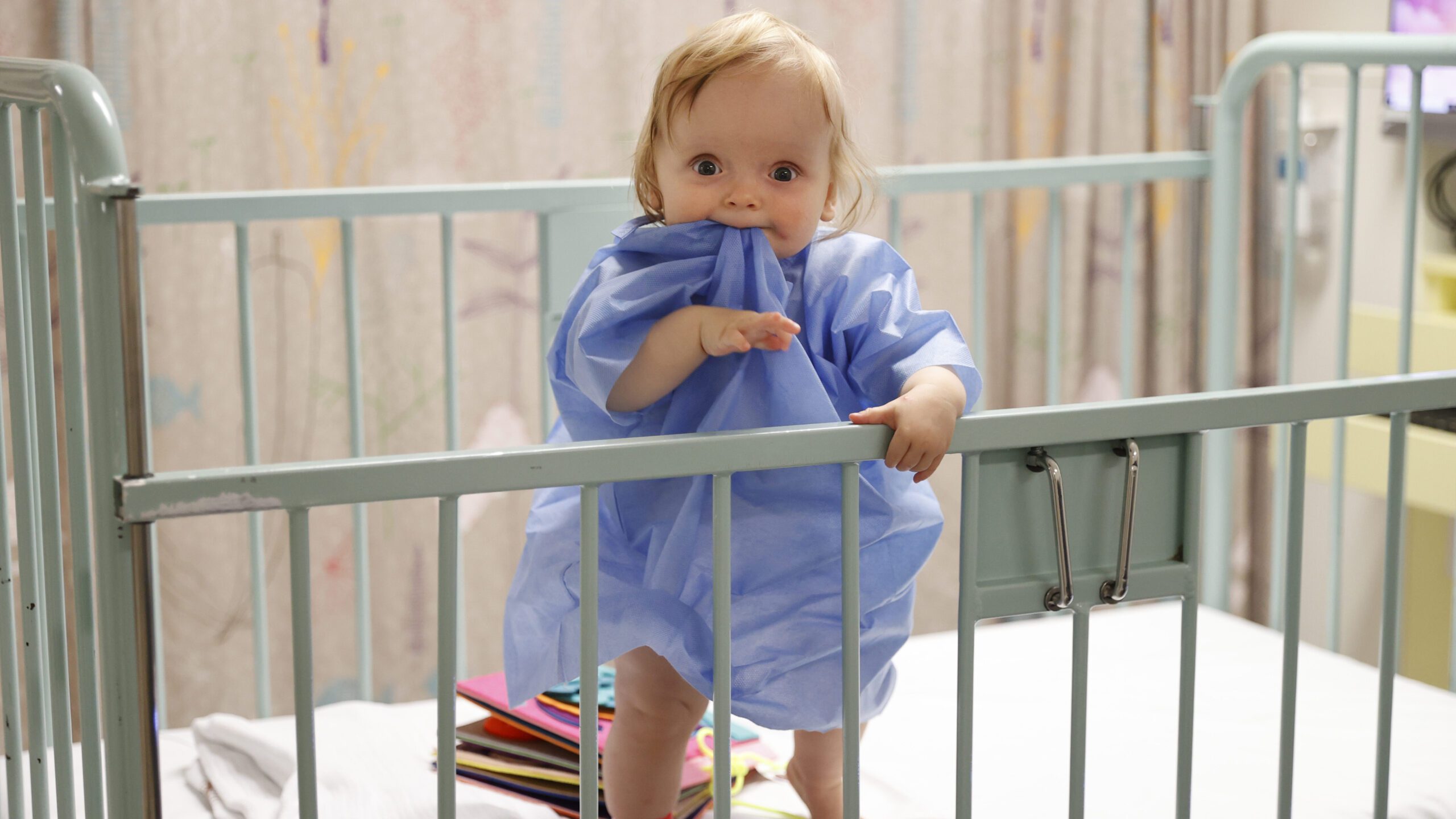
With every new word or skill Isla Hulm learnt in her first year of life, there was a worrying nag in the back of her parents’ minds that she was using up valuable brain space.

But now, after radical surgery to correct the shape of their daughter’s skull and free her rapidly growing brain, Matilda Gribble and Kieran Hulm are relishing the chance to watch their firstborn thrive.

“It’s comforting to know that little brain can grow as much as it needs to now, and we can watch her progress freely,” Ms Gribble said.

Isla’s prominent forehead was mentioned by a pediatric specialist after birth, but given this feature also runs in the Gribble family they put this down to pedigree and got on with enjoying their baby.

It wasn’t until an osteopath and private maternal health nurse suggested the shape of Isla’s head warranted further investigation, and a referral to the Royal Children’s Hospital was made, that they learnt Isla faced surgery.

Over a telehealth appointment, the specialist took photos of the then eight-month-old’s head from all angles, and the word “craniosynostosis” was first mentioned.

This rare birth defect ­occurs when the plates of the skull fuse too early and cannot slowly move apart over the first few years of life to make space for the developing brain.
Without surgery, pressure inside the brain builds up and the condition is fatal.­­

In Isla’s case, the two major sutures at the back of the head – the flexible fibrous bands of tissue that connect the bones of the skull – had prematurely joined, pushing her forehead out and narrowing the back of the head.

Surgeons have a small window to intervene. The child needs to be strong and old enough to tolerate such major surgery, but also young enough that the remaining ­sutures have not fused and the skull bones are still soft.

And for Isla, now 11 months old, her surgery two weeks before Good Friday came just in time.

Jonathan Burge, head of craniofacial surgery at the RCH, said he originally thought that when tests showed Isla had increased pressure in her brain, it was an inaccurate reading given how young she was. But once inside they could confirm the ­results were correct.

The distorted skull shape was already causing her vision to be blurred and the optic nerve – which connects the eyes to the brain – to become swollen. Veins draining fluid from the back of her brain were compressed, further increasing brain pressure.

Up to 80 children have ­cranial vault surgery – to correct skull shape to allow normal brain growth – at the RCH each year. But the version that Isla needed, which called a posterior vault reconstruction, is less common.
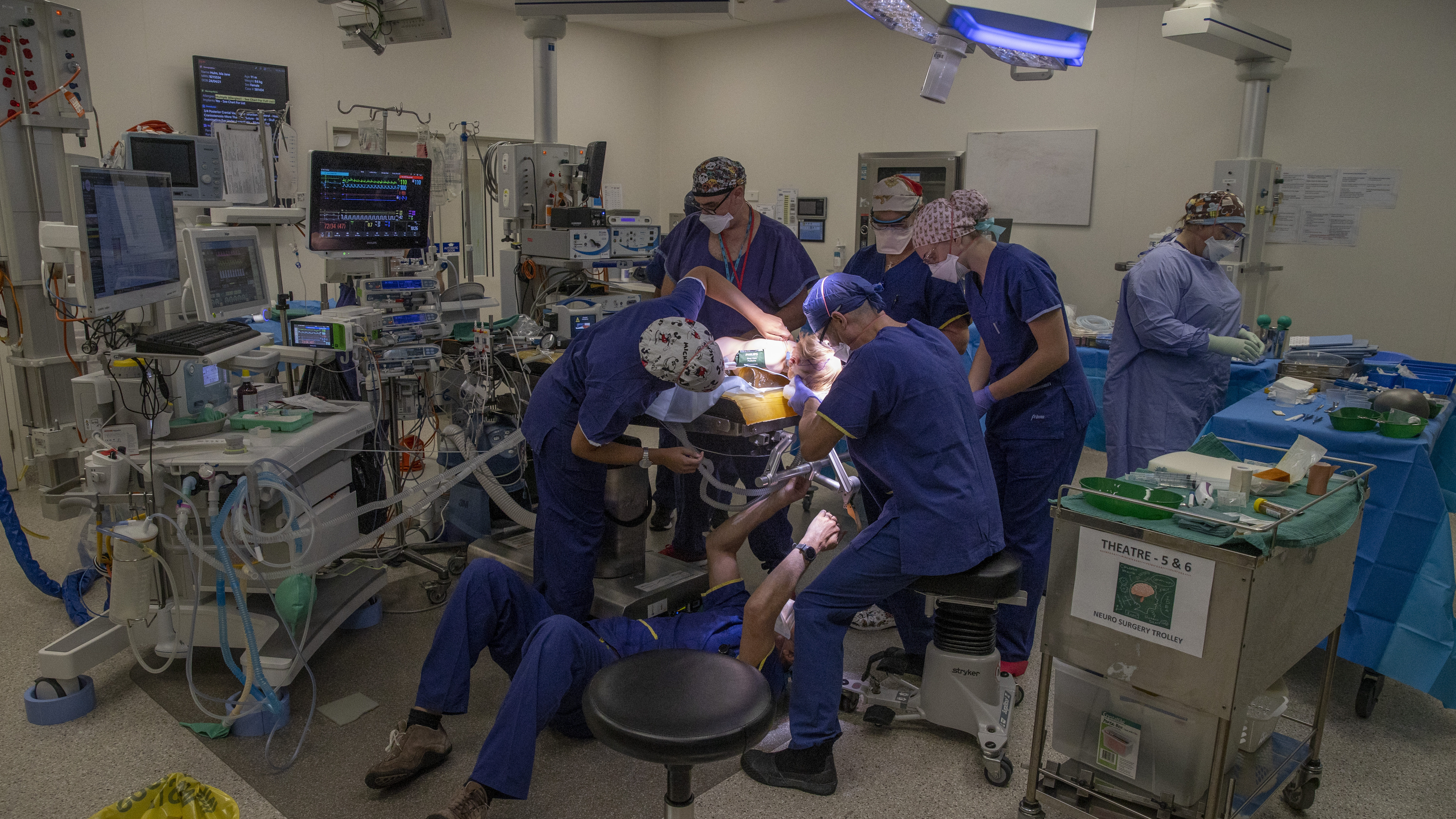
Isla in the operating theatre

Over seven hours, with Isla lying face down on the operating table, Mr Burge removed the back portion of her skull.

He used a titanium model of an ideal skull shape – an ­invention he helped create based on the head shapes of 62 children – to devise a mould of an average skull shape for an 11-month old.

This piece of posterior skull bone was cut into five pieces and put back together like a jigsaw puzzle to closely model the ideal shape, but also leave enough room for her growing head and brain to fill it out.

“You have to look at the anatomy of the head; firstly what part of the brain is being compressed, and secondly the shape of the head and where you can gain space without ­affecting the look,” Mr Burge said. “You’ve got a set of surgical skills and tools in your box and you have to think about what ones you want to apply to each baby.

“You don’t just want the perfect shape in a reconstruction; we overexpand it.

“We rely on the sutures of the bone (to create the right head shape) up until about three years of age, but after that we think we’re not so ­dependent on them.

“Our style of growth in the skull changes, so we just try to jump-start them to that stage where they can start growing in a different pattern.”

Isla came into the world a curious and alert baby, who wanted to be part of everything.
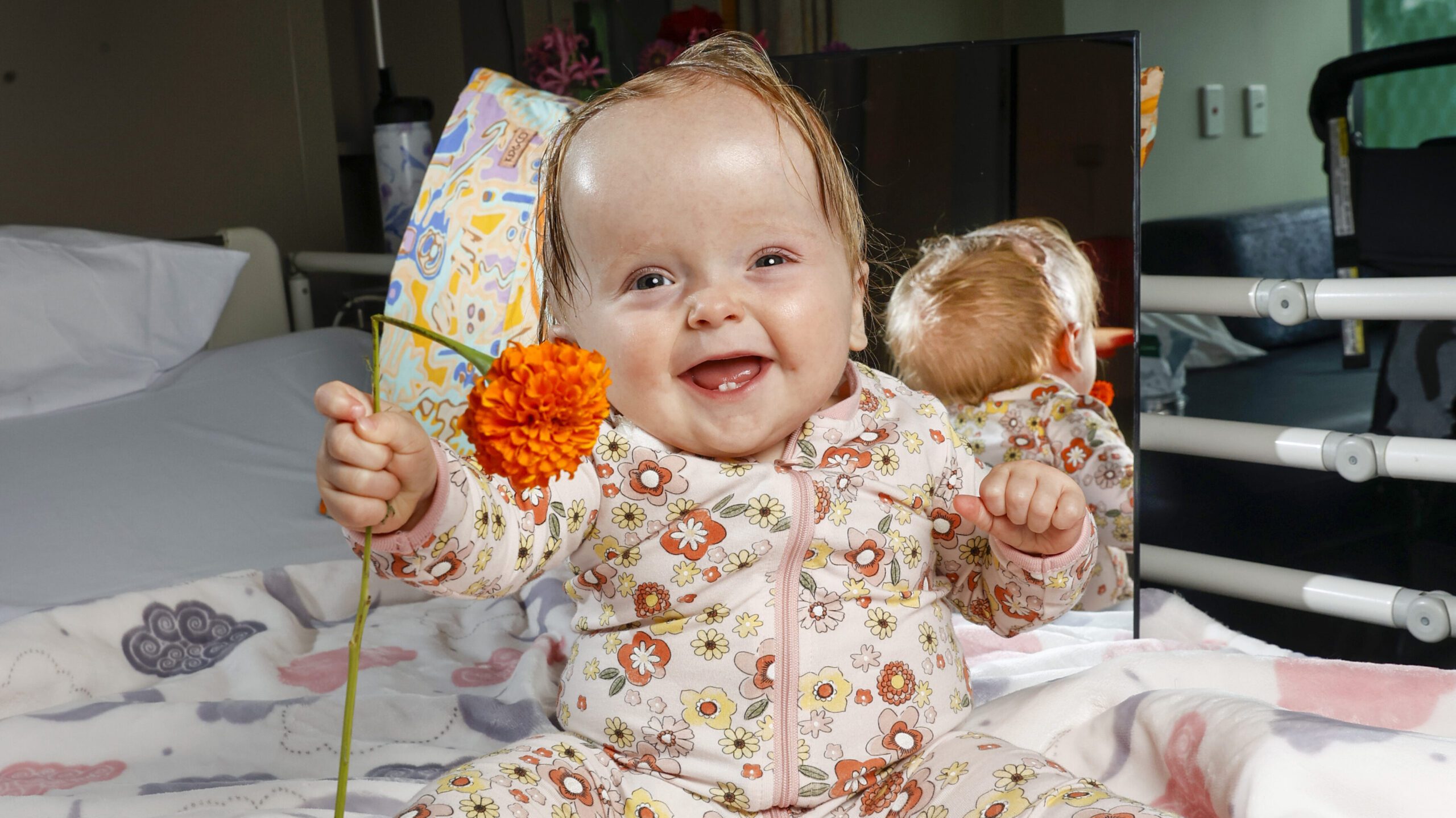
She never liked to be cradled like other infants, instead wanting to sit more upright for a better view of the world. She learnt sign language to ask for milk at six months of age.

Before surgery Isla was not far off walking. She continued to learn new words during her week-long recovery in hospital – “page”, “wow” and “hello nurse” – a reassuring sign to her parents that their little girl is raring to get back to learning and living.

“We were both so ready for her to have this surgery done,” said Mr Hulm.

“She’s a child who is always looking around, trying to learn something new and I want her to be able to keep doing that.

“I don’t want to worry that every time she says a new word thinking, ‘That’s great, but you need to stop learning things to save that brain space’.

“I wish for her that we can put it behind us a little bit and have a bit more fun as a ­family,” he said.

Originally published in the Herald Sun, Friday 15 April 2022
Words: Brigid O’Connell
Images” Alex Coppel

Explore More
FUNDRAISE
VOLUNTEER
PATIENT STORIES

Our Newsletter

Everything Good Friday Appeal, straight to your inbox. Get more information about your impact and how to get involved.

Raffi’s Leukaemia Journey

We first met Raffi in 2021, not long after he was diagnosed with b-cell acute lymphoblastic leukaemia – a diagnosis that devastated his family.

The four-year-old has been going through treatment at The Royal Children’s Hospital since December 2020 and is now thriving – Raffi is leukaemia free and has started kindergarten this year.

Raffi’s parents Matt and Nicole Verrocchi have generously fundraised for the Good Friday Appeal in 2021 and 2022 and have raised almost $270,000 for the Hospital in that time.

Raffi’s mum Nicole said while the diagnosis broke their hearts, the Hospital, and in particular the Kookaburra Cancer Team, instantly provided their family with comfort and support when Raffi commenced his treatment.

Raffi faced many physical and mental challenges during the initial phase of his treatment. He lost his ability to walk, experienced countless hospitalisations and midnight runs to emergency, endured complications associated with an infected port, experienced two anaphylactic reactions and lost his hair.

“Despite all the challenges, The Royal Children’s Hospital provided an environment that allows children like Raffi to face every hurdle with a smile and make the experience as fun an enjoyable as possible. It’s a special place with special people,” Nicole said.

Nicole said the family wanted to fundraise for the Good Friday Appeal to help make a difference to the community of sick kids and their families – a community their family was now a part of.

Raffi’s leukaemia journey will continue, with monthly treatments and hospitalisations until February 2023, and ongoing support from the Hospital after that.

The Good Friday Appeal Team is incredibly grateful to the Verrocchi family and their supporters for their generosity and for helping make a massive difference.

You can still donate to the Verrocchi family’s online fundraiser.

Explore More

FUNDRAISE
VOLUNTEER
PATIENT STORIES

Our Newsletter

Everything Good Friday Appeal, straight to your inbox. Get more information about your impact and how to get involved.

Meet Lottie

The odds were stacked against little Lottie before she even drew her first breath.

Diagnosed with congenital diaphragmatic hernia (CDH) at her 16-week scan, doctors told Caitlyn Browne and Dylan McKnoulty their baby had a “40-45 per cent chance” of surviving after birth.

Her diaphragm – the muscle separating the chest and abdominal cavity – hadn’t formed properly, meaning vital organs including her heart and stomach were in the wrong place, placing pressure on her lungs.

The first-time mum relocated from Albury-Wodonga to Melbourne four weeks before her due date so she could be near The Royal Children’s Hospital, and gave birth five days later on January 15.

After a “10-second cuddle” Lottie was whisked away and placed on a ventilator, where she would remain for eight weeks. Ms Browne remembers feeling “overwhelmed and emotional”.

“The CDH was a lot more severe when she born and she basically didn’t have a left lung at all,” she said.

Lotti Browne, 3 months old, with her mum Caitlyn.

“Her survival rate dropped, it was less than 30 per cent.”

That night she was moved to the RCH and Lottie Browne-McKnoulty and her medical team’s fight against the odds began.

She overcame two surgeries to move her organs after the first surgery was halted when she went into cardiac arrest, just six days old.

A week later she underwent a second successful surgery and then battled sepsis and a partial lung collapse.

But baby Lottie didn’t care about the grim odds, and months later her mum couldn’t hide her excitement as she updated the Herald Sun on her daughter’s “nice big step” – Lottie was breathing on her own for the first time.

Ms Browne said it took “a good while” to accept everything was OK. “Dylan just had to keep reminding me: she’s OK, she’s alive,” she said.

“I’ll be super emotional and crying and (Lottie) looks at me and smiles and starts talking to me. It’s like she’s trying to tell me, ‘It’s OK, I’m OK’.

“She just looks at me like I hung the moon in the sky.”

She said Lottie had grown into an “inquisitive” baby who won’t stop babbling. “She loves looking around and talking to everyone,” she said. “She just loves all her cuddles.”

She and Dylan survived the first few months by celebrating the “little wins”, whether it was the first time Lottie opened her eyes (at 16 days) or the first time they were allowed to hold her (at seven weeks).

“I was too excited while I was holding her, but while her dad was holding her I was crying,” she said.

Having had her daughter’s life saved by the Royal Children’s Hospital, Caitlyn’s wish for Lottie’s future is simple.

“I just want her to be a happy little kid,” she said.

Originally published in the Herald Sun, 14 April 2022
Words: Brigid O’Connell and Sarah Booth
Photos: Alex Coppel

Explore More

FUNDRAISE
VOLUNTEER
PATIENT STORIES

Our Newsletter

Everything Good Friday Appeal, straight to your inbox. Get more information about your impact and how to get involved.

Meet Mia

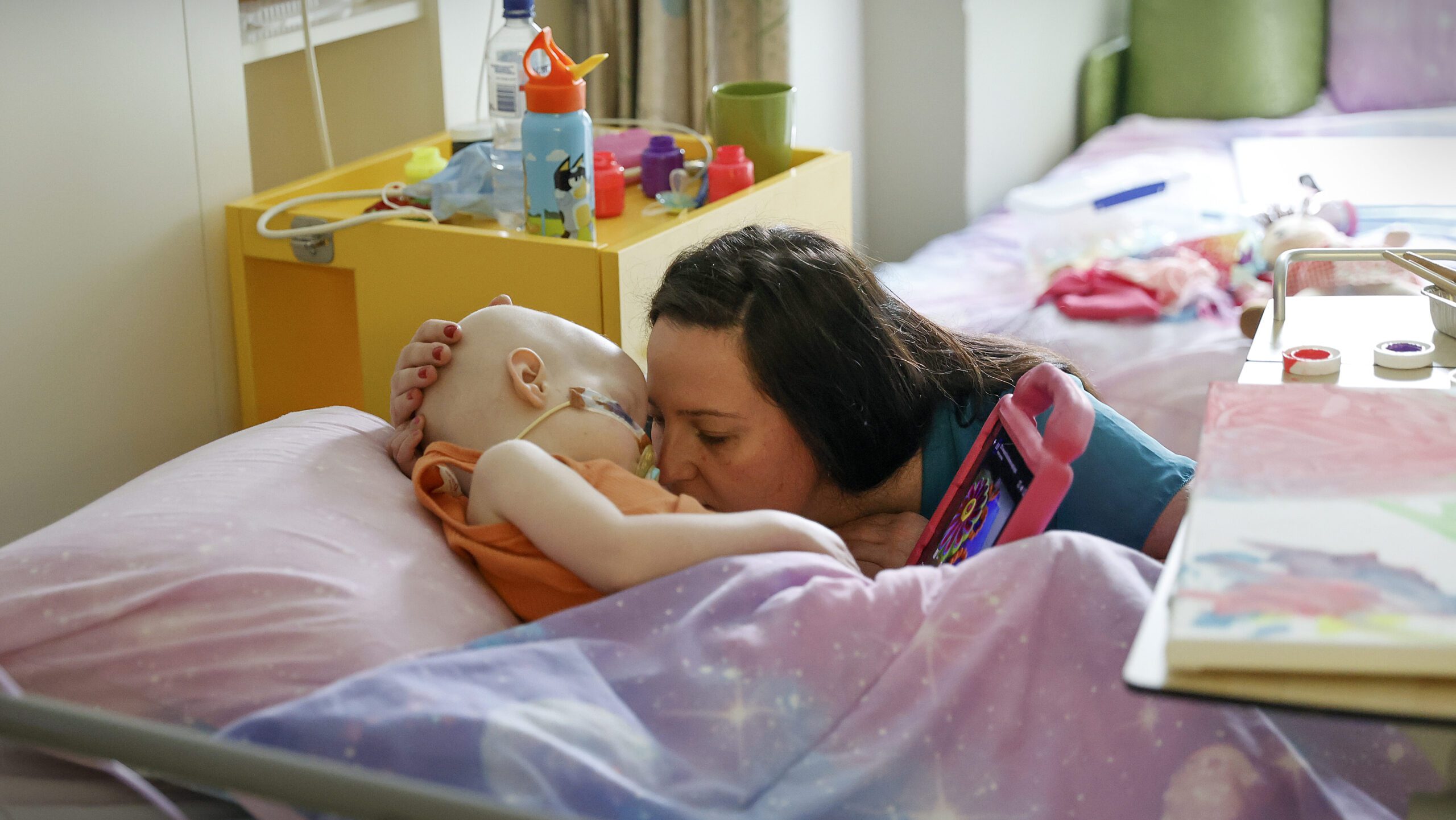
After two months in hospital, the best birthday present for Mia Mancini was being ­reunited with her family for cuddles and lunch outside the ward.

The seven-year-old has been a frequent flyer at The Royal Children’s Hospital since she was diagnosed with the rare genetic neurological and developmental disorder Rett syndrome at age two.

But this is the first birthday she has spent in hospital.

Two months ago Mia was having non-stop seizures – 180 episodes in 24 hours at one point – which required many stays in intensive care.

And while the seizures virtually wiped the slate clean with her development, putting her in a wheelchair and relying on a nasal feeding tube, now the epilepsy is controlled the focus is on rehabilitation and the path to home.

Mum Chantal said now that her daughter was starting to feel better, she was looking forward to getting back on her feet and using her eye gaze communication device again.

“Anything she’s thinking about, all of her thoughts and feelings, she can communicate by looking at the cells on the screen. They speak out loud what she’s trying to say,” Ms Mancini said.

“She looks at ‘I want’ and then looks at ‘cuddles’. One thing she has been saying a lot lately is ‘I want puppy’.

“She is the most resilient and determined strong little girl. She puts the fight in fight. She’s a little warrior.”

There is no cure or specific treatment for Rett syndrome, which progressively affects speech, walking and hand movements.

But under the care of senior neurologist Andrew Kornberg, a team of allied health therapists and a clinical trial testing a new treatment aiming to ­improve her hand function and communication, Ms Mancini said they were supporting Mia to be “the best she can be”.

“What Andrew has done for our family, it makes me emotional. He’s an angel without wings,” she said.

“He’s the most amazing person that ever came into our lives. Everyone at the RCH has provided us with the most amazing care, not just for Mia, but they look after the whole family.

“The support they provide families at their hardest ­moments is just exceptional.”

Originally published in the Herald Sun, 12 April 2022
Words: Brigid O’Connell
Photo: Alex Coppel

Explore More

FUNDRAISE
VOLUNTEER
PATIENT STORIES

Our Newsletter

Everything Good Friday Appeal, straight to your inbox. Get more information about your impact and how to get involved.

Meet Willow

Willow Lawton does not understand what cancer is, only that it has taken away her “baby hair”.

And a rainbow-shaped scar on her abdomen is the reason why the three-year-old can spend a month at a time confined to her hospital room, away from her two beloved older brothers.

She knows “a tumour” is the reason for a medicine-feeding tube taped to her cheek, going into her nose.

Only later may she ­appreciate that a crack team of oncologists – the brightest minds in Victoria, another network of Australian specialists, and experts from the US – are working to find the right combination of treatment to overcome the neuroblastoma that continues to invade her tiny bones.

Willow is the first child at The Royal Children’s Hospital to be signed up to an international trial testing a new combination treatment – a different kind of chemotherapy and an immunotherapy – and a promising medication called DFMO.

The drug, difluoromethylornithine, aims to starve the neuroblastoma cells, restricting their growth and spread.

Willow took a textbook path to diagnosis in September last year.

A two-year-old child first develops a limp. Next they ­become irritable, pale and generally “off”.

Willow, 3, and mum Kirsty

Given the vagueness of the symptoms, neuroblastoma is typically diagnosed at stage 4. In addition to the main ­tumour that grows on the ­adrenal gland on top of the ­kidneys, this cancer invades lymph nodes and bones.

Children diagnosed with neuroblastoma need at least two years of treatment.

Willow’s oncologist, Molly Williams, the only dual-qualified pediatric solid tumour and neuro-oncologist plus palliative care specialist in the state, said when she started working in the field 15 years ago few children were cured.

But with the addition of high-dose chemotherapy and immunotherapy on top of the standard chemotherapy, surgery and radiation, survival rates were now well above 50 per cent.

Willow, however, has been “one outside the box”.

While the initial induction chemotherapy shrank the ­tumour enough that she progressed to surgery as planned, unusually the cancerous cells in her bones increased.

“This does make us scratch our heads, and back when I started in oncology we’d get extremely nervous about these kids,” Dr Williams said.

“But now we’ve got a few more tools in our basket and we’ve still got a lot we can throw at Willow.”

Mum Kirsty Whitbread and Willow make the most of each day and each hospital stay. They wheel in a trolley for each hospital admission that contains matching quilts, fairy lights, musical ­instruments and supplies to create an instant art gallery behind her bed for the crafty creations she makes while room-bound.

Willow has just started kindergarten on the ward, and is relishing the chance to do music and art therapy now that Covid restrictions have eased – all part of the RCH’s mantra about treating the whole child, not just focusing on medical treatment.

“I just want them to find the individualised treatment that works for Willow so her disease stabilises and we can start to get rid of it,” Ms Whitbread said.

“She’s gone from this healthy, bubbly, social child to now being so removed from all other kids.

“I can’t even take her to the supermarket because she’s so immune suppressed. She ­deserves the chance to be a normal kid.”

Give to help kids like Willow

Originally published in the Herald Sun, 10 April 2022
Words: Brigid O’Connell
Images: Alex Coppel

Explore More

FUNDRAISE
VOLUNTEER
PATIENT STORIES

Our Newsletter

Everything Good Friday Appeal, straight to your inbox. Get more information about your impact and how to get involved.

Meet Milla

There is a towering tree at Milla Gooch’s kindergarten that is named after her.

Each year when a new group of children begin, daunted by what they can achieve, teachers tell them the story of their star bush kinder graduate who – with a prosthetic leg – has been one of the only ones to climb this giant tree. If Milla can do it, so can they, the kids are told.

“Everywhere we go people are just amazed by her, but I see it every day so sometimes I have to step back and reflect that she’s so independent, happy and confident,” mum Brooke said.

It was a daunting decision to follow the advice of Royal Children’s Hospital orthopedic surgeons and have their 11-month-old daughter’s right leg amputated after she was born without a shin bone and ankle.

Doctors assured Brooke and husband Shane that despite this rare ­congenital abnormality called tibial hemimelia, they would be amazed at what their daughter would achieve with a prosthetic leg. And they were not wrong.

Milla, now aged 8 and a frequent flyer at the RCH for regular check-ups to keep her body strong, has recently been fitted with three new legs. She now has her first waterproof swimming leg, an athletic blade and an upgraded everyday leg.

“It’s changed her pace so she can keep up with the other kids,” Ms Gooch said.

“She’s riding a bike, she has started soccer and participating in the school cross country … She doesn’t think twice about it. She just has a go.”

Give to help more kids like Milla

Originally published in the Herald Sun, 7 April 2022
Words: Brigid O’Connell
Photo: Alex Coppel

Explore More

FUNDRAISE
VOLUNTEER
PATIENT STORIES

Our Newsletter

Everything Good Friday Appeal, straight to your inbox. Get more information about your impact and how to get involved.

Meet Ayla

It took nine months of riding a merry-go-round of recurrent sickness and visits to doctors before the sinister ­secret growing at the back of Ayla Topcubasi’s brain was ­finally revealed.

Regular ear infections and soaring temperatures that dominated the first half of last year for Ayla were put down to the most obvious culprit – starting at childcare.

In the six months since her brain tumour was discovered, the 2½-year-old has undergone two brain surgeries, 30 doses of radiation and three rounds of chemotherapy.

Each time a test or procedure is performed, The Royal Children’s Hospital staff first carry it out on her best friend, stuffed toy Puppy.

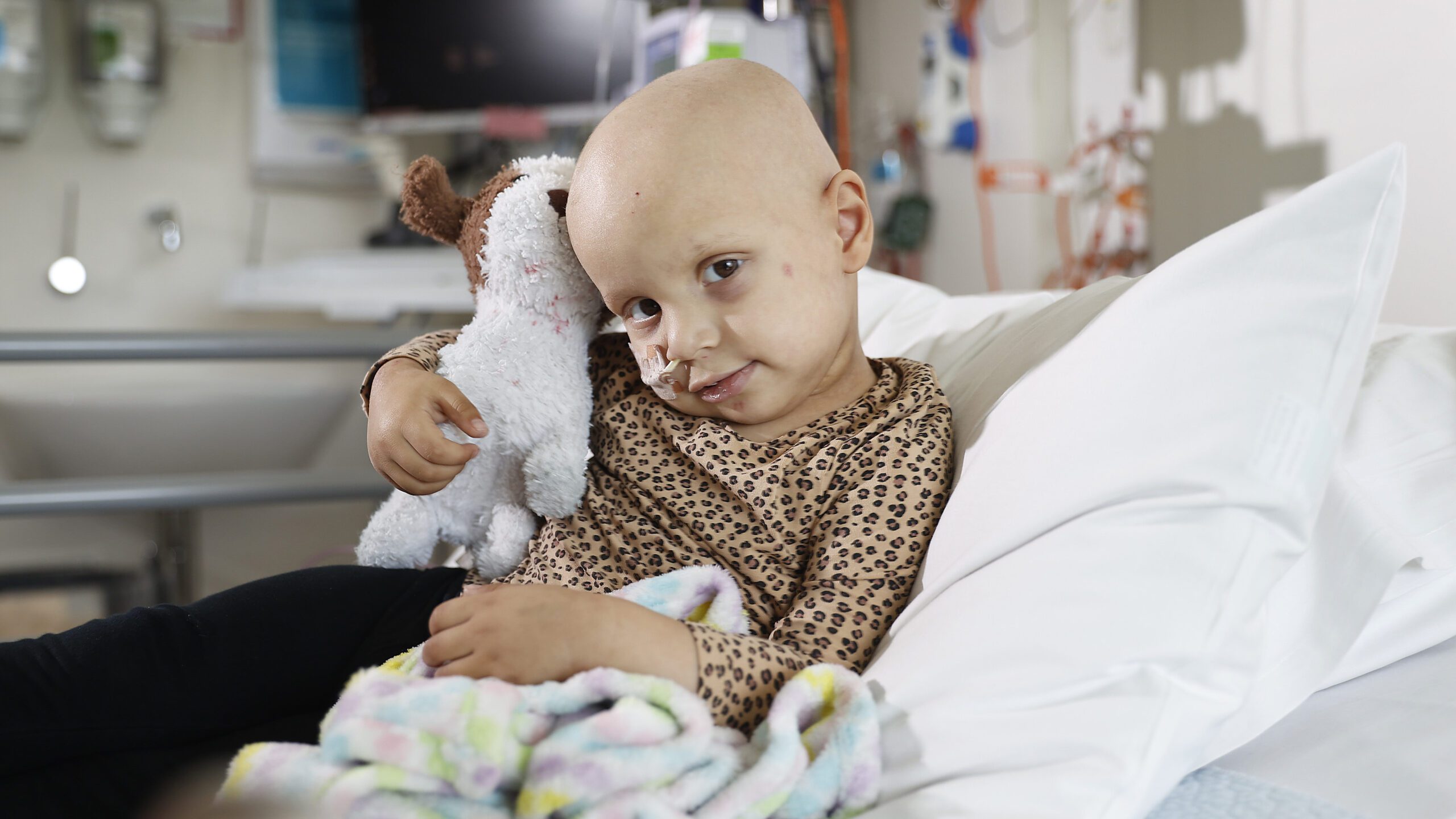
Ayla sitting on her hospital bed holding her stuffed dog toy. Ayla is bald and has a nasal gastic tube.
Ayla, 2, holding her stuffed toy Puppy

“It’s like they’re sharing what they’re going through together,” mum Meltem Kirca said.

“Even with her little language, she knows why she’s in hospital. We talk through everything as we go.”

By September, after yet ­another course of antibiotics had not worked, Ms Kirca took her daughter straight to the RCH emergency department.

The doctor asked Ms Kirca if her daughter could look into the light. Ayla could not. This was a vital clue. Something serious was going on.

Over the next two days, Ayla passed every test doctors put her through.

But when a nasal gastric feeding tube could not help her keep nutrients down, she was taken for an MRI scan.

The scan found a tumour, an ependymoma, growing at the base of her brain.

It was blocking the cerebral spinal fluid – the clear liquid that bathes the brain and spinal cord – from leaving her skull.

“I was in shock, I couldn’t even move. That day was the worst day in my life,” Ms Kirca said.

Ayla was wheeled straight into theatre for emergency surgery to drain the fluid building up in her brain.

Two days later, neurosurgeon Wirginia Maixner performed a nine-hour operation to remove the 3cm tumour.

With one round of chemotherapy to go, Ms Kirca said she had “big hopes” for her youngest daughter.

“The doctors are telling us that it’s looking very good,” she said.

“I just don’t want this to come back to her again. If you’ve got health, you don’t need anything else.”

Give to help more kids like Ayla

Originally published in the Herald Sun, 28 March 2022
Words: Brigid O’Connell
Photo: Alex Coppel

Explore More

FUNDRAISE
VOLUNTEER
PATIENT STORIES

Our Newsletter

Everything Good Friday Appeal, straight to your inbox. Get more information about your impact and how to get involved.

Meet Aliyana

It has taken daily watering and hard work, but the tiny seeds of positivity and hope that Aliyana Mimmo and her family have planted are blooming.

Almost a year after being diagnosed with T-cell acute lymphoblastic leukaemia, and about to finish the most intensive treatment, the 10-year-old hopes to start ticking things off her ever-growing “after cancer to-do list”.

Dinner at a restaurant, a trip to a water park and a weekend away with her mother D’Anna are first.

One thing the pair feel they have control over is their attitude each day.

“We feel what we need to feel, when we need to feel it,” Ms Mimmo said.

“She has every right to cry, scream and get angry – and we have those moments. Then I say tomorrow is a new day. We just make fun of everything and take every opportunity to have a joke, a laugh or a dance.”

While the rest of her family recovered from a virus last May, Aliyana’s cough persisted for weeks.

A trip to The Royal Children’s Hospital emergency department revealed it was a result of cancer cells clumping together to block her airway.

“I couldn’t go in and look at her for an hour after the doctors told me, because she looked so well,” Ms Mimmo said.

“And yet they were telling me we’d be moved to ICU that day and we were starting chemo that afternoon.”

While her parents were upfront about her leukaemia diagnosis and what lay ahead with treatment, children this age can Google and it was Aliyana who told her parents that she had cancer.

“She’s non-stop with questions. She’s asked me: ‘Is what I have terminal? And what would have happened if you hadn’t taken me to the hospital that day?’”

After about 110 nights in hospital over the past year – many of them unexpected admissions for temperate spikes or low platelet counts – next week she finishes one of the extreme phases of treatment.

Then, after a two-month break, Aliyana will start the final 18 months of maintenance chemotherapy – a comparatively lower-dose course during which her hair will regrow and allow her to return to school.

Give for the Kids

Your donations help kids like Aliyana receive the best possible care.

DONATE NOW

Originally published in the Herald Sun, 26 March 2022
Words: Brigid O’Connell
Photo: Alex Coppel

Explore More

FUNDRAISE
VOLUNTEER
PATIENT STORIES

Our Newsletter

Everything Good Friday Appeal, straight to your inbox. Get more information about your impact and how to get involved.

Meet Isla

Isla’s parents knew something was wrong five years ago when their bubbly and bright three-year-old daughter was no longer acting like herself.

Isla had gone from being an active happy young child to constantly feeling lethargic, irritable and starting to catch every bug going around.

Isla’s mum Leanne knew something was wrong. Between April and May 2017, she took Isla to the doctor eight times with growing concerns.

Following a blood test, Isla was diagnosed with acute lymphoblastic leukaemia (ALL), a cancer that affects the blood and bone marrow in July 2017. Isla began receiving chemotherapy treatment at The Royal Children’s Hospital (RCH) Children’s Cancer Centre immediately.

The day Isla was diagnosed with ALL was the day her family’s whole world felt like it had turned upside-down. They were scared and leaned on the staff at the RCH who assured them that Isla was going to resume full health again.

After three months of treatment, Isla was officially in remission, and after eight months of intensive chemotherapy she was getting back to what she loved doing – dancing and going to preschool.

But two years later in July 2020, Isla relapsed. This time her leukaemia was not only found in her bone marrow, it had also spread to her central nervous system.

“Isla’s relapse was the worst day of our lives” remembered Leanne.

Having gone through the initial bout of chemotherapy and treatment, they now knew what they were in for and the torturous up-hill battle Isla was about to face once again.

After another round of intense chemotherapy was not showing promising results, Isla was eligible for CAR-T cell therapy, an innovative cancer treatment that allows the body’s own immune system to fight cancer. The treatment involves removing a patient’s T cells (a type of immune system cell), re-engineering them in a lab and reinfusing them back into the patient to attack and kill of the cancer cells.

Isla endured CAR-T cell treatment in December 2020 and was cancer-free for 100 days. Three months later in March 2021, it became evident that the CAR-T cells in her body were waning due to the leukaemia cells returning at very low levels in her bone marrow. With this news, Isla received a second infusion of the CAR-T cells before tragedy struck again.

Isla and her mum Leanne

In April 2021, Isla’s cancer had returned with 80 per cent of her bone marrow taken over by leukaemia cells. Two days later, she was back on very intensive chemotherapy treatment in the hopes of bringing her cancer under control for long enough to receive a bone marrow transplant.

This required Isla to isolate and live in a special hospital room for six weeks as she was at very high risk of serious infection. Following this, Isla required an immune therapy treatment to kill the remaining amount of leukaemia in preparation for a stem cell transplant, which was Isla’s only remaining hope for recovery.

In July 2021, Isla received a life-saving bone marrow transplant from an unrelated overseas donor. The stem cell transplant involved one week of intense radiation and chemotherapy in order to prevent rejection, followed by six weeks in the RCH bone marrow transplant suite. Here, Isla waited for her new bone marrow cells to grow and for her organs to recover from all of the intensive treatment.

Fortunately, Isla is now nine months post stem cell transplant and remains in complete remission. She is back to her bubbly self at school and dancing to her little heart’s content.

Although Isla’s family remains positive thanks to the support of her incredible treating team. Led by her oncologist Dr Diane Hanna at the RCH, and the community through the Good Friday Appeal, Isla continues to receive lifesaving support for her cancer care. 

“I feel so lucky to have met all of these wonderful people, and I really attribute us getting to where we are today to all of them” said Leanne.

“Although our family has suffered at times, we are incredibly lucky to have so much support from our family and friends. My children have all grown up a lot faster than they should have, but I’m so proud of us for what we have gotten through together.”  

Thanks to your generous support, we can make a difference to children like Isla and support world-leading care at the RCH.

Explore More

FUNDRAISE
VOLUNTEER
PATIENT STORIES

Our Newsletter

Everything Good Friday Appeal, straight to your inbox. Get more information about your impact and how to get involved.

Meet Alex

Parents Gabby and Jesse never thought their son Alex would be fighting for his life at just three years old. This changed when Alex was diagnosed with acute lymphoblastic leukaemia (ALL), a cancer that affects the blood and bone marrow, last year.

Alex’s parents thought something was wrong when they realised that the cold he and his older brother, Marcus, had caught from childcare was more serious for Alex. While Marcus recovered in a week, Alex’s symptoms developed into a persistent cough, swollen tummy, a limp which prevented him from walking and a very red rash and bruises covering his body. 

After noticing the bruises, Alex’s parents took him to the doctor, however, the doctor’s appointment turned into an immediate referral to The Royal Children’s Hospital (RCH) emergency department.

After numerous tests and a few hours passing, Gabby and Jesse were told Alex had leukaemia and needed to remain in hospital for further tests and treatment.

“Everything about our family’s day-to-day life was turned completely upside-down when Alex was diagnosed with cancer. Everything happened so quickly. Alex was diagnosed on a Thursday night and by Saturday, he was in surgery – there wasn’t a lot of time to adjust” said Gabby.

Luckily for Alex, he’s receiving the best possible care at the RCH led by oncologist Di and the specialised team at the Children’s Cancer Centre. In June 2021, Alex started his chemotherapy treatment, which will continue for two and a half years from diagnosis. 

He has now spent the best part of three months on and off in hospital. 

The RCH team have stepped Gabby and Jesse through every procedure, every side-effect and every drug. Play therapists, music and art therapy sessions have been an enormous help in raising Alex’s spirits and helping him engage in treatment. He now loves his nurses – or his ‘nursies’.  

Alex is too young to fully understand his condition, but he does know he is sick and needs to take medicine for a long time. His young age has made it easier for him to accept having tubes and lines attached to his body and losing his hair, but he has started to talk about wanting to be ‘normal Alex’ again. 

“Alex’s cancer has forced me to realise just how fragile and precious a child’s life can be. I don’t take anything for granted anymore – I treasure every cuddle with the kids and every laugh” Gabby said. 

Gabby and Jesse are hopeful Alex will make a full recovery and are grateful for the excellent care made possible through the support of the Good Friday Appeal.  

Thanks to your generous support, we can make a difference to children like Alex and support world-leading care at the RCH.

Explore More

FUNDRAISE
VOLUNTEER
PATIENT STORIES

Our Newsletter

Everything Good Friday Appeal, straight to your inbox. Get more information about your impact and how to get involved.

Follow Us
  • Facebook
  • Instagram
  • Twitter
  • You Tube
  • Your Impact
  • Research
  • Technology
  • Patient Care
  • Education
  • Get Involved
  • Fundraise
  • Volunteer
  • My GFA Portal
  • Stories
  • Patients
  • Volunteers
  • Fundraisers
  • Hospital Heroes
  • About Us
  • Who We Are
  • Our history
  • Partners and supporters
  • Contact Us
  • Your Impact
  • Fundraise
  • Volunteer
  • Stories
  • About Us
  • Contact Us
  • My GFA Portal
  • Privacy Policy
Proudly supported by
Herald Sun Logo Seven Plus Logo
Website powered by
XWP
ACNC Logo Good Friday Appeal ABN 69 084 797 965 Privacy Policy