Meet Alissa
When Alissa was just a few weeks old, her parents noticed a red, angry rash across her abdomen. As first‑time parents living interstate, Nicholas and Liana did what most new parents would do and went to the local GP.
They tried different creams and were reassured that it was likely harmless.
But soon after, Alissa developed ongoing problems with her ear. There were infections, discharge and, as Nicholas describes, “just something that didn’t feel right.”
At four months old, during a family visit to Melbourne, her ear flared up again. A local doctor suggested they visit The Royal Children’s Hospital (RCH) to make sure she was safe to fly home. That simple precaution changed everything.
While examining Alissa’s ear, an ear, nose, and throat surgeon noticed a small lesion. It was unusual enough that the surgeon asked for a scan.
The scan showed one significant lesion, and then an X‑ray showed several more around her skull.
Meanwhile, staff noticed Alissa looked pale and slightly jaundiced. There was something far more serious going on.
Nicholas had already returned to work interstate. As Liana updated him from the hospital, the news grew more worrying. By that night, she told him, “The oncologist is here. This is really serious.” Nicholas caught the first flight back to Melbourne.
The oncologist had news, the biopsy results were back: Alissa had Langerhans Cell Histiocytosis (LCH), a rare disease where certain immune cells build up and cause damage. Dr Bhatia described it as “highly curable” – words that carried Liana through everything that followed.
By the following week, Alissa had started urgent chemotherapy.
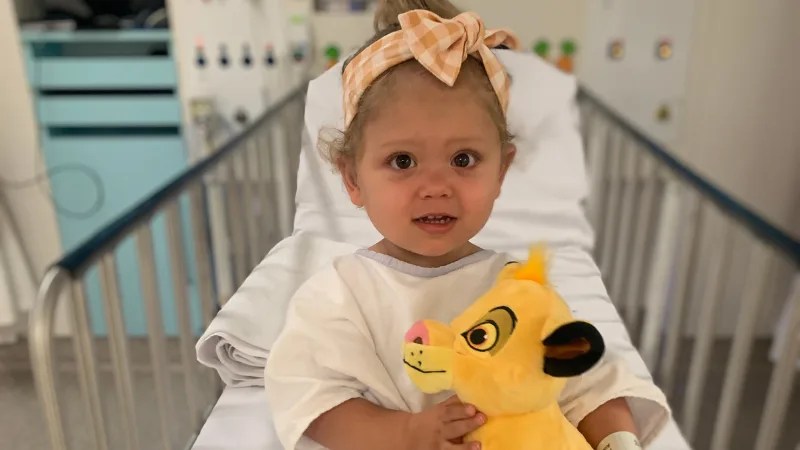
“We don’t think this would have happened anywhere else,” Nicholas says. “We were so incredibly fortunate to be at the children’s.”
Alissa began chemotherapy and steroid treatment, but her disease didn’t respond. The doctors at the RCH shifted her onto a stronger second‑line chemotherapy. It was tough on her tiny body.
It helped others, but it was incredibly tough on her. “Her skin looked like a terrible sunburn,” Liana says. “Bright red, hot to the touch.”
“She was constantly nauseous and vomiting,” Nicholas recalls. “At one point our hallway was just lined with washing baskets full of bedding. It was really rough.”
Alissa became so unwell that she landed back in hospital, and after a series of MET calls, she was taken to the Intensive Care Unit (ICU).
Nicholas remembers being told, “We expect she’ll survive this, but you have to prepare yourself for the reality she might not.”
“It was incredibly difficult,” he says. “She was just over one year old.”
In ICU, doctors believed Alissa had developed a rare and dangerous inflammatory reaction, sometimes triggered by intense chemotherapy.
With a high fever, low blood pressure, and her liver and spleen struggling to recover from each treatment, it became clear she needed a new approach.
Her team proposed a newer targeted therapy – a flavourless pill that could “switch off” her disease, but one that very few children worldwide had received.
Once the targeted therapy began, the change was almost immediate.
“Within days, she was back to being like a healthy, normal child,” Nicholas says. “It was incredible.” One by one, the tubes and monitors disappeared. “I could recognise my baby again,” Liana says.
After six weeks in hospital, including her time in ICU, Alissa was finally home.
“I was so ready,” Liana says. “I wanted us to be a family again.”
They haven’t needed another long hospital stay since.
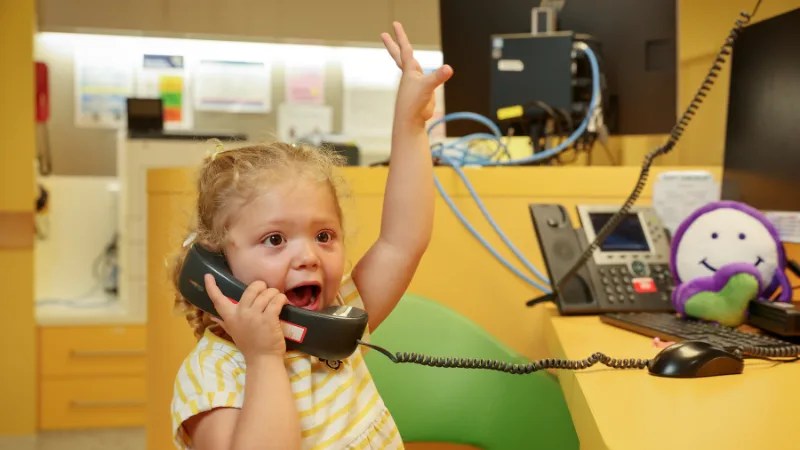
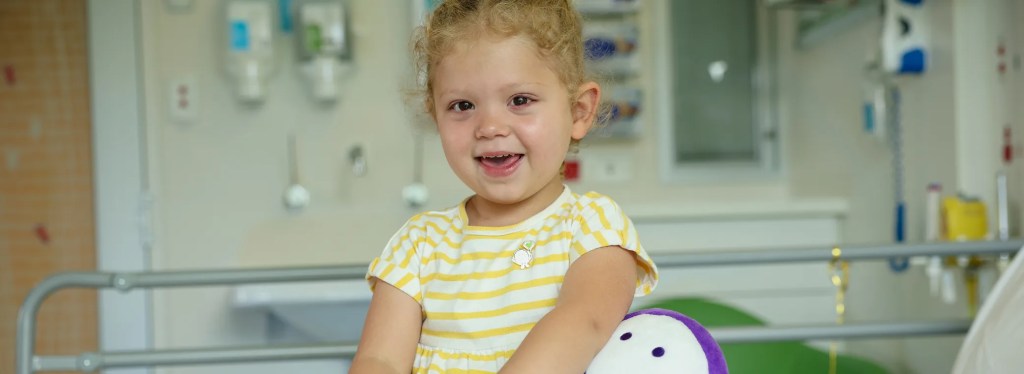
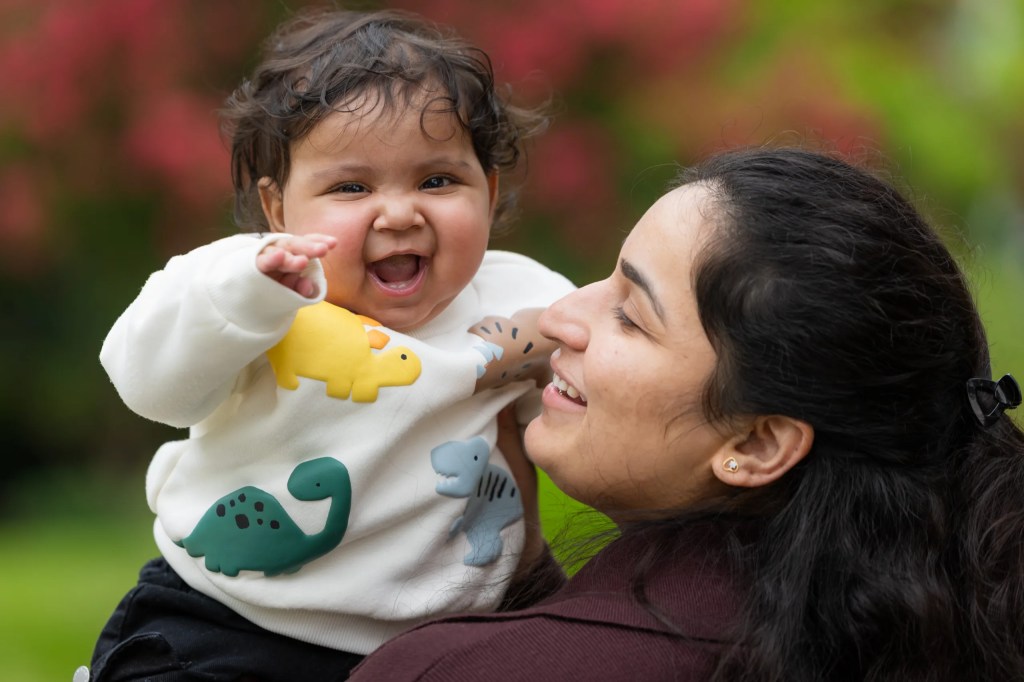
Today, Alissa is a thriving three‑year‑old who loves dancing, singing, and choosing her own outfits. Nicholas describes her as “happy, cheeky and very sassy,” with “big sister energy” towards her baby brother.
Most people who meet her have no idea what she has been through.
Alissa now takes daily targeted therapy at home – two tiny pills dissolved in water, morning and night. It keeps her disease switched off with minimal side effects. Although the long‑term effects are still being studied, her results so far have been extremely positive.
“We’re so grateful she has access to this,” Nicholas says. “It’s saved her life and let her properly live.”
From dozens of blood transfusions to countless scans, and from complicated chemotherapy to life‑saving ICU care, Alissa has met many staff across the RCH. Each one, Nicholas says, made a difficult journey feel supported.
“We were in the right place,” he says. “Everyone has been so caring, supportive and expert.”
As Nicholas and Liana look ahead, their hopes for Alissa are simple: that she grows up happy, healthy and aware of how far she has come.
“We want her to understand how lucky she is to have had access to this hospital,” Nicholas says. “It’s the reason she’s here today.”
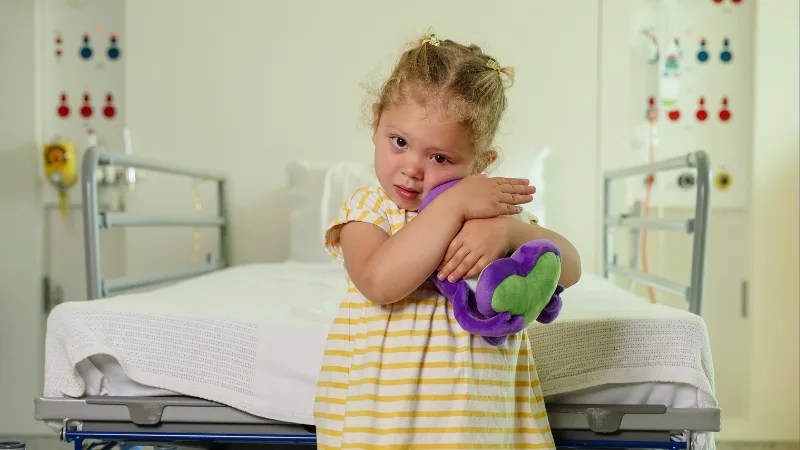
Give to help kids like Alissa
Young Alissa in action
Read More
Explore More